Introduction: Why Container Pop-Up Shops Are Growing
For small businesses, starting a physical store can be expensive. Traditional retail usually requires high rent, long lease terms, decoration costs, utilities, furniture, and location risk. If the location does not perform well, the business owner may lose a lot of money before the store becomes profitable.
A shipping container pop-up shop offers a more flexible way to enter the retail market.
Instead of building a permanent shop, entrepreneurs can use a 20ft or 40ft shipping container as a compact, movable, and eye-catching retail space. With the right design, a container can become a clothing shop, coffee kiosk, gift store, outdoor equipment shop, brand showroom, food booth, ticket office, or product display unit.
At ONE BOX, we provide practical shipping container solutions for storage, export loading, and business use. Whether you need a used 20ft container for a small retail startup or a 40ft high cube container for a larger commercial pop-up project, choosing the right container is the first step toward building a profitable pop-up shop.
What Is a Shipping Container Pop-Up Shop?
A shipping container pop-up shop is a temporary or semi-permanent retail space built from a standard shipping container. It can be placed in shopping areas, outdoor markets, festivals, exhibitions, tourist sites, campuses, parking lots, business parks, or near warehouses.
The container is usually modified with doors, windows, lighting, shelves, counters, flooring, insulation, ventilation, branding, and security features. Some pop-up shops are simple and functional. Others are highly designed with large glass windows, fold-up service doors, LED signs, wood flooring, and custom exterior colors.
The main advantage is flexibility. A container shop can test a market, promote a product, support seasonal sales, or serve as a mobile showroom without requiring a traditional storefront.
Why Small Businesses Choose Container Pop-Up Shops
1. Lower Entry Cost
A shipping container pop-up shop can reduce the cost of entering the retail market. Instead of paying for a long commercial lease and expensive interior renovation, a business owner can start with a container structure and customize it according to budget.
A used shipping container is often a cost-effective choice for startups. It may have normal dents, scratches, or surface rust, but it can still provide a strong and practical base for a retail shop after proper cleaning, painting, and modification.
2. Faster Market Testing
A new business idea needs testing. A container pop-up shop allows entrepreneurs to try different locations, products, customer groups, and sales strategies before investing in a permanent store.
For example, a clothing brand can test a weekend market. A coffee brand can test a park location. A local product brand can test demand during holiday events. If the location works, the business can continue or expand. If not, the container can be moved or reused.
3. Strong Visual Impact
Shipping containers naturally attract attention. Their industrial shape, bold structure, and modern appearance make them stand out in outdoor retail environments.
With the right paint color, logo, lighting, and signage, a container shop can become a strong brand display. For small businesses, this is important because the store itself becomes part of the marketing.
4. Durable and Secure
Shipping containers are built for heavy-duty transportation and outdoor use. Their steel structure makes them strong, lockable, and suitable for storing inventory, equipment, display furniture, and business materials.
For pop-up retail businesses, security is important. A container can be locked after business hours, protecting products and reducing the need to move everything every day.
5. Movable and Reusable
A container pop-up shop can be relocated, reused, or repurposed. If your retail season ends, the container can become storage. If your business grows, you can add more containers. If the product line changes, the interior layout can be adjusted.
This makes a container shop a long-term business asset instead of a one-time expense.
Best Businesses for Shipping Container Pop-Up Shops
A container pop-up shop can work for many types of small businesses.
Fashion and Clothing Brands
Clothing brands can use a container shop for seasonal collections, limited drops, outlet sales, local events, and mobile retail. Shelving, hanging rails, mirrors, fitting areas, and display lighting can be added inside.
Coffee, Drinks, and Snacks
A container can be converted into a small coffee kiosk, juice bar, dessert shop, bakery counter, or takeaway food unit. A serving window, counter, ventilation, water system, and storage area are usually needed.
Outdoor and Sports Products
Camping gear, fishing products, bicycles, surf products, garden tools, and sports equipment are suitable for container retail because the container itself fits an outdoor lifestyle image.
Gifts and Handmade Products
Small gift brands, handmade product sellers, art studios, candle brands, jewelry sellers, and local craft businesses can use container shops for markets, fairs, and tourism areas.
Beauty and Lifestyle Brands
Cosmetics, skincare, fragrance, accessories, and lifestyle goods can be displayed in a well-designed container showroom. Glass doors, soft lighting, clean shelving, and strong branding help create a premium look.
Electronics and Repair Services
Phone accessories, repair services, small electronics, and tool-based services can use a container as both a sales counter and a secure workshop.
Brand Showrooms
Manufacturers and exporters can use container pop-up shops as mobile showrooms at trade shows, exhibitions, industrial parks, and outdoor sales events. This is useful for products such as furniture, building materials, outdoor products, tools, and equipment.
20ft vs 40ft Container Pop-Up Shop
Choosing the right container size depends on your business type, site space, budget, and product volume.
| Container Type | Best For | Main Advantage |
|---|---|---|
| 20ft Container | Coffee kiosk, small retail shop, ticket booth, gift shop, repair counter | Compact, easier to place, lower cost |
| 40ft Container | Larger retail shop, showroom, clothing store, food service unit | More display space and storage |
| 40ft High Cube Container | Premium shop, café, showroom, interior-heavy design | Extra height and more comfortable interior |
| Side Opening Container | Product showroom, event booth, display shop | Wide access and better customer flow |
| Used Container | Budget startup, storage + retail, workshop shop | Cost-effective |
| New / One-Trip Container | Premium retail, brand showroom, customer-facing project | Cleaner appearance and better visual quality |
Recommended Container Size for a Pop-Up Shop
For most small businesses, a 20ft shipping container is a good starting point. It is easier to place in limited space and can be converted into a compact retail unit.
For businesses that need more product display, customer movement, stock storage, or service equipment, a 40ft container is more practical.
For premium retail brands, cafés, or showrooms, a 40ft high cube container is often a better option because the extra height makes the interior feel more open and comfortable.
How to Design a Shipping Container Pop-Up Shop
A successful pop-up shop is not only about the container. It is about customer experience, product display, traffic flow, lighting, safety, and brand image.
1. Plan the Customer Entrance
The entrance should be clear, visible, and easy to access. Some container shops use standard cargo doors, while others add glass doors or large side openings.
If your business depends on walk-in traffic, a wider opening can make the shop more inviting.
2. Add Display Windows
Windows help people see the products before entering. They also bring natural light into the container and make the shop feel less closed.
For retail shops, large windows are useful. For coffee kiosks or snack shops, a service window may be more important.
3. Use Smart Shelving
Space inside a container is limited, so vertical storage is important. Wall-mounted shelves, hanging racks, foldable counters, and modular displays can help maximize the interior.
For a 20ft container shop, every wall should have a clear function.
4. Create a Strong Exterior Design
The outside of the container is your first advertisement. Paint color, logo placement, lighting, product graphics, and signage should match your brand.
A simple container can become a powerful marketing tool when the exterior design is clean and memorable.
5. Improve Interior Comfort
If customers will enter the container, consider insulation, ventilation, air conditioning, flooring, and lighting. A comfortable interior can increase customer time inside the shop and improve the buying experience.
6. Build Security Into the Design
A pop-up shop often stores products overnight. Good locks, reinforced doors, security shutters, lighting, cameras, and lockable storage areas can help protect inventory.
Common Modifications for Container Pop-Up Shops
Most container shops need some level of modification. The exact design depends on the business type.
Common modifications include:
- Side door or glass door
- Display window
- Service window
- Interior wall panels
- Insulation
- Flooring
- Lighting
- Electrical outlets
- Air conditioning or ventilation
- Shelving and counters
- Exterior paint
- Logo and signage
- Security lock system
- Fold-up awning or canopy
- Plumbing for food and beverage use
For basic retail, simple modifications may be enough. For food service, the requirements are usually more complex because water, ventilation, food safety, and local permits may be involved.
Step-by-Step Guide to Starting a Container Pop-Up Shop
Step 1: Choose Your Business Model
Before buying a container, decide what you want to sell and how customers will interact with the shop.
Ask yourself:
- Will customers walk inside?
- Will products be sold through a service window?
- Do I need storage space?
- Do I need electricity, water, or kitchen equipment?
- Is the shop temporary, seasonal, or long-term?
- Will the container need to move often?
Clear answers will help you choose the right container size and layout.
Step 2: Select the Right Container
After confirming the business model, choose the container type.
A 20ft used container is suitable for a small and budget-friendly startup. A 40ft container is better for larger retail display. A 40ft high cube container is better for premium layouts and more comfortable interior height.
If the container will become a customer-facing shop, appearance matters. A better-condition container may save time and cost during cleaning, painting, and preparation.
Step 3: Check the Site
Before delivery, confirm that the site has enough space for the container and truck access. The ground should be flat, solid, and suitable for long-term placement.
You should also check:
- Road access
- Unloading space
- Crane or truck requirements
- Drainage
- Electricity connection
- Customer parking
- Pedestrian traffic
- Local zoning and permits
A good location can be more important than the container itself.
Step 4: Design the Layout
Create a simple floor plan before modification. Decide where to place the entrance, counter, shelves, storage area, product display, checkout area, and staff workspace.
For a small container shop, avoid overloading the interior. A clean and open layout usually works better.
Step 5: Plan the Modifications
Decide what needs to be cut, installed, painted, reinforced, or connected. Windows and doors may require steel reinforcement. Electrical systems should be installed safely. Food service units may need plumbing, ventilation, and washable surfaces.
Good planning can reduce mistakes and avoid unnecessary costs.
Step 6: Add Branding
Branding turns a container into a shop. Use a clear logo, strong color, exterior sign, product message, and lighting.
The container should tell people what you sell within a few seconds.
Step 7: Prepare for Opening
Before opening, test lighting, locks, ventilation, customer flow, product display, payment system, and storage. Make sure your staff can operate efficiently in the space.
For temporary events, prepare transport, setup time, and packing plans in advance.
Cost Factors for a Shipping Container Pop-Up Shop
The total cost of a container pop-up shop depends on several factors.
Container Condition
Used containers are usually cheaper than new or one-trip containers. However, they may need more cleaning, painting, or repair.
Container Size
A 40ft container normally costs more than a 20ft container, but it also provides more usable space. A high cube container may cost more but offers better interior height.
Modification Level
Basic storage and retail use may only require paint, lighting, shelves, and a door. A café or food shop may require windows, plumbing, ventilation, counters, insulation, and electrical systems.
Transportation and Placement
Delivery cost depends on distance, site access, unloading method, and local transport conditions.
Interior Equipment
Shelves, counters, refrigerators, coffee machines, display racks, air conditioning, security systems, and POS equipment can add to the total cost.
Permits and Compliance
Depending on location and business type, you may need permits, inspections, fire safety approval, food service approval, or zoning approval.
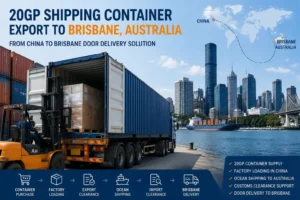
Buy a Container in China, Load Products, and Reuse It as a Shop
For international buyers, ONE BOX can support a smart container business solution: buy a container in China, load your products, ship it overseas, and reuse the container after arrival.
This is useful for entrepreneurs who import products from China and also need a physical retail or storage space in their destination country.
For example, a buyer can purchase a 20ft or 40ft container, load clothing, furniture, tools, outdoor products, or building materials, ship the container overseas, and later convert it into a pop-up shop, warehouse, showroom, or workshop.
This creates two layers of value:
First, the container carries the cargo during international transportation.
Second, the container becomes a reusable business asset after delivery.
This model is especially practical for small businesses, importers, e-commerce sellers, event brands, outdoor retailers, and companies that want to combine product sourcing with long-term container use.
Why Choose ONE BOX for Your Pop-Up Shop Container
ONE BOX provides container solutions for customers who need practical units for storage, export loading, business projects, and future modifications.
ONE BOX Can Support:
- Used 20ft shipping containers
- Used 40ft shipping containers
- 40ft high cube containers
- New and one-trip containers
- Side opening containers
- Export loading container solutions
- Container sourcing near major ports
- Business-use container recommendations
- Storage and commercial project support
Whether you want to build a simple pop-up shop, a mobile showroom, a small café, or a container retail unit, ONE BOX can help you choose the right container for your project.
Shipping Container Pop-Up Shop Checklist
Before starting your project, use this checklist:
| Item | Check Point |
|---|---|
| Business model | Retail, food, coffee, showroom, service, or event booth |
| Container size | 20ft, 40ft, or 40ft high cube |
| Container condition | Used, new, or one-trip |
| Location | Market, event site, parking area, campus, tourist area, or business park |
| Access | Truck delivery, unloading space, customer entrance |
| Layout | Entrance, counter, display, storage, checkout |
| Modification | Doors, windows, lighting, insulation, flooring |
| Branding | Paint, logo, signage, exterior design |
| Security | Locks, shutters, cameras, lighting |
| Compliance | Local permits, fire safety, food rules, zoning |
| Future use | Storage, relocation, resale, expansion, or export loading |
FAQ: Shipping Container Pop-Up Shop
Is a shipping container good for a pop-up shop?
Yes. A shipping container is strong, movable, secure, and easy to customize. It can be used for retail, food service, coffee shops, event booths, showrooms, and seasonal sales.
What size container is best for a pop-up shop?
A 20ft container is best for small shops, kiosks, and compact retail. A 40ft container is better for larger displays, more inventory, and customer walk-in space. A 40ft high cube container is ideal when extra height and a more open interior are needed.
Can I use a used container for a retail shop?
Yes. A used container can be a cost-effective choice for a pop-up shop, especially if it will be painted and modified. For premium brands or high-end customer-facing projects, a newer container may provide a cleaner starting point.
Do I need a permit for a container pop-up shop?
In many locations, permits may be required. Rules depend on local zoning, site use, fire safety, food service, utilities, and business type. Always check local requirements before placing or modifying a container.
Can a container pop-up shop be moved?
Yes, one of the main advantages of a container shop is mobility. However, the final mobility depends on modification weight, foundation, utility connections, and transport access.
Can I turn a container into a coffee shop?
Yes. A container can be converted into a coffee kiosk or café with a service window, counter, electrical system, water system, ventilation, insulation, and interior equipment. Food and beverage projects should also meet local health and safety rules.
Can I buy a container in China and ship it with my products?
Yes. Overseas buyers can buy a container in China, load cargo inside, export it, and then reuse the container after arrival. This is a practical option for importers who need both shipping and a future business space.
Conclusion: Build a Flexible Retail Business With a Container
A shipping container pop-up shop gives small businesses a practical way to start retail without the pressure of a traditional storefront. It is flexible, durable, movable, and easy to brand.
From coffee kiosks and clothing shops to event booths and mobile showrooms, containers can help entrepreneurs test markets, reduce startup risk, and create strong customer experiences.
If you are planning a container pop-up shop, choosing the right container is the most important first step. ONE BOX can help you find the right 20ft, 40ft, 40ft high cube, used, new, or side opening container for your business project.
ONE BOX — Practical Shipping Container Solutions for Storage, Export Loading, and Small Business Innovation.