Buying a shipping container is an important decision whether you need secure storage, export loading, warehouse space, construction site storage, a mobile office, or a customized container solution. At ONE BOX, we help customers choose the right container size, condition, and delivery plan based on real project needs.
This FAQ guide answers the most common questions about shipping containers for sale, used containers, new one-trip containers, 20ft containers, 40ft containers, 40ft high cube containers, side opening containers, container delivery, export loading, and customization.
Purchasing a Shipping Container
1. How do I buy a shipping container from ONE BOX?
Buying a shipping container from ONE BOX is simple. You can contact our team with your required container size, condition, loading location, destination, and application. Our team will recommend a suitable option based on your budget and project use.
For international buyers, ONE BOX can also help coordinate container purchase, cargo loading, export arrangement, and shipping support. This is especially useful when your cargo is located in China and you want to buy a container, load goods inside, and ship it to your country for long-term use.
2. What types of shipping containers does ONE BOX sell?
ONE BOX supplies different container types for storage, export, and project use, including:
- 20ft standard shipping containers
- 40ft standard shipping containers
- 40ft high cube shipping containers
- Used shipping containers
- New one-trip containers
- Side opening containers
- Customized storage containers
- Containers for warehouse use
- Containers for export loading
Different sizes and conditions are available depending on stock location and market availability.
3. Should I buy a new or used shipping container?
A new one-trip container is a good choice if you want a cleaner appearance, longer service life, and better overall condition. It is suitable for export projects, commercial storage, container modification, and customers who care about appearance.
A used shipping container is more cost-effective and is a popular option for storage, warehouse use, farm storage, construction sites, tools, machinery, spare parts, and temporary business storage. Used containers may have dents, scratches, faded paint, or repair marks, but they can still provide strong, secure, and practical storage value.
4. What is a one-trip shipping container?
A one-trip shipping container is a container that has usually been used for only one cargo trip from the factory or manufacturing area to its first destination. It is much newer than a standard used container and normally has better paint condition, cleaner flooring, better door operation, and fewer dents.
One-trip containers are ideal for customers who need a high-quality container for export, long-term storage, modification, office conversion, or premium warehouse use.
5. What is a used shipping container?
A used shipping container is a container that has been used in international transportation or storage operations before being resold. Used containers are popular because they are strong, secure, weather-resistant, and much cheaper than new containers.
Used containers are commonly used as warehouses, garden storage, equipment storage, construction site storage, farm storage, and low-cost commercial storage space.
6. Can I choose the exact color of my container?
For used containers, the color usually depends on available stock. Common colors may include blue, green, red, grey, beige, white, or other shipping line colors. Because used containers come from different shipping fleets, exact color selection may not always be guaranteed.
For new or customized containers, color options may be available depending on order quantity, production schedule, and coating requirements. ONE BOX can help check available colors before purchase.
7. Can I inspect the container before buying?
This depends on the stock location and depot rules. Some yards may allow photos, videos, or inspection reports before purchase, while some busy commercial depots may restrict customer visits for safety reasons.
ONE BOX can usually help provide container photos, condition descriptions, and recommendations based on your required use. For international customers, photos and videos are very helpful before confirming the container.
8. Do shipping containers come with ownership documents?
Shipping containers normally do not have vehicle-style titles. Your commercial invoice, purchase receipt, container number, and related sales documents are usually used as proof of purchase and ownership.
For export loading, the container number and shipping documents are also important for booking, customs declaration, and transportation tracking.
Shipping Container Sizes and Dimensions
9. What are the most common shipping container sizes?
The most common shipping container sizes are 20ft, 40ft, and 40ft high cube containers.
A 20ft container is compact and easy to place in smaller yards or job sites. A 40ft container provides more storage capacity. A 40ft high cube container offers extra height and larger internal volume, making it popular for export loading and bulky cargo.
10. What is the size of a 20ft shipping container?
A standard 20ft shipping container is approximately:
| Item | 20ft Container |
|---|---|
| External Length | Approx. 6,058 mm |
| External Width | Approx. 2,438 mm |
| External Height | Approx. 2,591 mm |
| Typical Use | Storage, export cargo, tools, small warehouse |
20ft containers are suitable for customers who need strong storage but have limited space.
11. What is the size of a 40ft shipping container?
A standard 40ft shipping container is approximately:
| Item | 40ft Container |
| External Length | Approx. 12,192 mm |
| External Width | Approx. 2,438 mm |
| External Height | Approx. 2,591 mm |
| Typical Use | Large storage, export loading, equipment, warehouse |
40ft containers are often chosen when the buyer needs more storage capacity at a better cost per cubic meter.
12. What is the size of a 40ft high cube container?
A 40ft high cube container is approximately:
| Item | 40ft High Cube Container |
| External Length | Approx. 12,192 mm |
| External Width | Approx. 2,438 mm |
| External Height | Approx. 2,896 mm |
| Internal Capacity | Approx. 76 CBM |
| Typical Use | Bulky cargo, export loading, warehouse, modification |
The extra height makes 40HQ containers one of the most popular choices for international shipping and storage.
13. What is the difference between 40ft standard and 40ft high cube containers?
The main difference is height. A 40ft standard container is around 8’6” high, while a 40ft high cube container is around 9’6” high. The high cube container gives more internal space, which is useful for furniture, building materials, machinery, lightweight bulky goods, aluminum fences, acoustic panels, and other export cargo.
14. Why are 20ft containers sometimes more expensive than expected?
Container prices depend on supply, demand, location, condition, and shipping market changes. In some areas, 20ft containers may be less available than 40ft containers, which can make the price higher than expected.
If your project location is flexible, ONE BOX can help check stock from different depots or nearby ports to find a better container option.
Container Conditions and Grades
15. What container condition should I choose?
The best condition depends on how you plan to use the container.
For export loading, cargo-worthy or good-condition containers are recommended. For long-term storage, a wind and watertight container is usually suitable. For budget warehouse use, a used container with normal wear can be a very cost-effective choice.
16. What does cargo-worthy mean?
Cargo-worthy means the container is suitable for shipping goods by sea, truck, or rail when it meets the required inspection and safety standards. If you want to load goods into the container and export it overseas, cargo-worthy condition is usually important.
ONE BOX can help customers confirm whether a container is suitable for export loading before purchase.
17. What does wind and watertight mean?
Wind and watertight means the container is structurally sound and designed to keep out rain, wind, and outside weather under normal conditions. This type of container is commonly used for storage.
It is a popular choice for customers who need a secure and weather-resistant storage solution but do not need to ship the container internationally.
18. Are used containers waterproof?
Most good-condition used containers are designed to be wind and watertight. However, because used containers have previous service history, it is important to check the roof, doors, seals, flooring, and corner posts before use.
For storage use, ONE BOX can help recommend containers that are suitable for outdoor placement.
19. Will used containers have dents or rust?
Yes. Used containers may have dents, scratches, surface rust, faded paint, welded repair marks, or old shipping labels. These marks are normal for used shipping containers.
The key point is whether the container remains strong, secure, dry, and functional for your project. If appearance is very important, a new one-trip container or repainted container may be a better option.
Delivery and Site Preparation
20. How are shipping containers delivered?
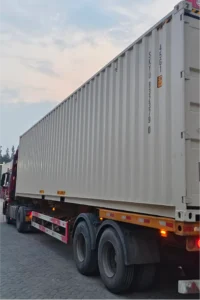
Shipping containers are usually delivered by truck. Depending on the location and unloading conditions, delivery may use a flatbed truck, side loader, crane truck, tilt truck, or container trailer.
For export projects in China, the container can be moved to the supplier’s factory for loading, then transported to the port for customs declaration and ocean shipping.
21. What should I prepare before container delivery?
Before delivery, make sure the site is flat, stable, and accessible for trucks. A concrete surface, gravel pad, compacted ground, or strong paved area is usually recommended.
You should also check:
- Road access for large trucks
- Turning space
- Overhead wires or trees
- Ground level
- Drainage conditions
- Door opening direction
- Crane or forklift availability if required
Good site preparation helps avoid delivery delays and container placement problems.
22. Do I need a foundation for a shipping container?
A full concrete foundation is not always required for storage use, but the container should sit on level and stable support points. Concrete blocks, steel supports, gravel pads, or concrete strips can help keep the container level and reduce moisture from the ground.
If the container is used for a home, office, workshop, or permanent structure, a stronger foundation may be required according to local building rules.
23. How much space is needed for container unloading?
The required space depends on the container size and delivery method. A 20ft container requires less access space, while a 40ft or 40HQ container needs more straight-line clearance and turning space.
If space is limited, tell ONE BOX your site condition before delivery. Photos, videos, or a simple layout drawing can help us recommend the right delivery method.
24. What if my delivery site is difficult to access?
If your site has narrow roads, soft ground, steep slopes, low wires, small gates, or limited turning space, special delivery planning may be needed. ONE BOX can help review your delivery situation and suggest practical options such as crane unloading, side-loader delivery, or delivering to a nearby accessible point.
Export Loading and International Shipping
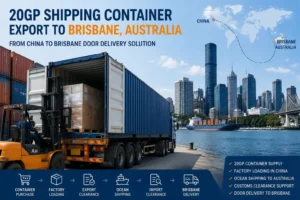
25. Can ONE BOX help overseas buyers purchase containers in China?
Yes. ONE BOX is especially helpful for overseas buyers whose cargo is located in China. If your supplier’s goods are near Qingdao, Shanghai, Shenzhen, Guangzhou, Tianjin, Dalian, or other major logistics areas, ONE BOX can help arrange a container purchase and loading plan.
The container can be purchased in China, delivered to your supplier for loading, and then shipped to your destination country for your own use.
26. Can I buy a container and load my cargo inside for export?
Yes. This is one of the main advantages of buying a shipping container in China. Instead of shipping cargo in a carrier-owned container, you can buy your own container, load your goods, export it, and keep the container after arrival.
This solution is useful for customers who need both cargo transportation and a storage container at destination.
27. What information should I provide for an export container quote?
To get an accurate quote, please provide:
- Container size: 20GP, 40GP, or 40HQ
- New or used container preference
- Cargo loading city
- Supplier factory address
- Destination port or delivery address
- Cargo name
- Cargo weight and volume
- Required loading date
- Whether customs clearance or door delivery is needed
With this information, ONE BOX can prepare a more accurate container and logistics plan.
28. Can ONE BOX help arrange trucking, loading, customs, and shipping?
Yes. For many export projects, ONE BOX can coordinate with logistics partners to support container trucking, factory loading, port delivery, export customs declaration, sea freight booking, and destination delivery arrangements.
This one-stop model is convenient for overseas consignees who want to buy a container in China and ship their goods together.
29. Can I use the container as storage after it arrives?
Yes. Many customers buy a used 20ft or 40ft container in China, load cargo inside, ship it overseas, and then use the same container as a warehouse, farm storage, backyard storage, equipment room, or jobsite storage after arrival.
This can be a very cost-effective solution because the container provides both transportation value and long-term storage value.
Container Customization
30. Can I customize my shipping container?
Yes. Shipping containers can be customized for many uses. Common modifications include doors, windows, vents, insulation, roll-up doors, shelving, electrical systems, lighting, flooring, partition walls, office interiors, and paint.
ONE BOX can help create practical customized container solutions for storage, workshops, mobile offices, retail spaces, and project sites.
31. Can I add a roll-up door to a container?
Yes. Roll-up doors can be added to many containers for easier access. They are useful for warehouse storage, tools, machines, retail storage, and frequent loading operations.
Door size and position should be planned carefully because cutting a container wall may require structural reinforcement.
32. Can I add ventilation to a storage container?
Yes. Vents are recommended if you store items that may be affected by condensation, temperature changes, or poor airflow. Ventilation can help improve air circulation inside the container and reduce moisture buildup.
For sensitive goods, insulation or climate control may also be considered.
33. Can a container be insulated?
Yes. Insulation can be added to improve temperature control and reduce condensation. Insulated containers are useful for offices, workshops, living spaces, storage of temperature-sensitive goods, and long-term warehouse projects.
The insulation type depends on your climate, budget, and application.
34. Can ONE BOX repaint a shipping container?
Yes. Repainting is available depending on the project requirement. Customers can choose standard colors or custom colors for branding, commercial projects, warehouse use, or better appearance.
Surface preparation, primer, and suitable exterior paint are important for long-term performance.
Container Use and Applications
35. What can shipping containers be used for?
Shipping containers can be used for many applications, including:
- Export cargo loading
- Secure storage
- Home storage
- Warehouse space
- Construction site storage
- Farm storage
- Equipment storage
- Mobile office
- Workshop
- Retail kiosk
- Temporary business space
- Modified container projects
Their strength, mobility, and cost efficiency make them suitable for both commercial and personal use.
36. Are shipping containers good for warehouse storage?
Yes. Shipping containers are one of the most cost-effective warehouse storage solutions. A used container can provide strong steel protection, lockable doors, weather resistance, and flexible placement.
For customers who need quick storage space without building a permanent warehouse, a shipping container is a practical solution.
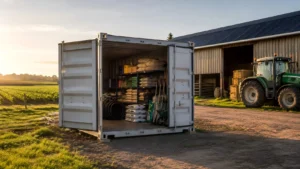
37. Can I use a shipping container on a farm?
Yes. Farmers often use containers to store tools, feed, spare parts, small machinery, irrigation parts, fertilizers, fencing materials, and seasonal equipment. Containers are strong, movable, and suitable for outdoor use.
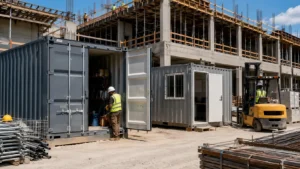
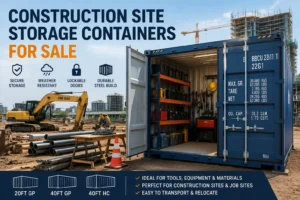
38. Can I use a container for construction site storage?
Yes. Shipping containers are widely used on construction sites because they provide secure storage for tools, building materials, equipment, cables, and valuable supplies. They can be moved between job sites and locked after work.
39. Can I turn a shipping container into an office?
Yes. Containers can be converted into offices with insulation, windows, doors, flooring, lighting, electrical systems, air conditioning, and interior wall panels.
A container office is suitable for construction sites, factories, workshops, farms, warehouses, and temporary project locations.
Maintenance and Care
40. How do I maintain a shipping container?
Basic maintenance includes checking the roof, removing standing water, cleaning dirt from door seals, lubricating door hinges, checking for rust spots, and keeping the container level.
A well-maintained container can provide many years of service.
41. Why are my container doors hard to open?
Container doors may be difficult to open if the container is not sitting level. When the ground is uneven, the frame may twist slightly and affect door alignment.
You can also lubricate hinges, locking rods, and handles to improve door movement. If the problem continues, check whether the container needs to be leveled or adjusted.
42. How do I prevent condensation inside a container?
Condensation can happen when warm air meets a cold steel surface. To reduce condensation, consider ventilation, insulation, moisture absorbers, raised flooring, proper airflow, and avoiding storage of wet materials inside the container.
For sensitive goods, a customized ventilation or insulation solution is recommended.
43. How do I prepare a container for painting?
Before painting, clean the container surface, remove dirt, remove loose rust, repair damaged areas, and make sure the surface is dry. Use suitable primer and exterior-grade paint for metal surfaces.
For better results, professional spraying is recommended.
44. Can shipping containers rust?
Yes, shipping containers are made of steel and may develop surface rust over time, especially in coastal, humid, or rainy environments. However, regular maintenance, repainting, and proper drainage can help extend service life.
Small rust spots should be repaired early before they spread.
Permits and Regulations
45. Do I need a permit to place a shipping container on my property?
Permit requirements depend on local regulations. Some areas allow temporary storage containers without permits, while others require approval for long-term placement, commercial use, office conversion, or residential projects.
Before placing a container, check with your local authority, property manager, industrial park, or homeowner association.
46. Can I use a shipping container as a permanent building?
This depends on local building codes and project design. A container used as an office, home, shop, or permanent structure may require engineering drawings, foundation approval, insulation, ventilation, electrical work, and building permits.
For permanent projects, always check local rules before buying or modifying a container.
Pricing and Quotation
47. How much does a shipping container cost?
Shipping container prices vary depending on size, condition, location, stock availability, delivery distance, market demand, and customization requirements.
Used 20ft containers, used 40ft containers, and used 40HQ containers usually offer the best value for storage. New one-trip containers cost more but provide better appearance and longer expected service life.
48. Why do container prices change?
Container prices can change due to international trade demand, port inventory, steel costs, shipping routes, container shortages, exchange rates, and seasonal market changes.
For the best price, it is recommended to request a current quote based on your location and required container type.
49. Do you offer container solutions for bulk buyers?
Yes. ONE BOX can support resellers, project buyers, contractors, logistics companies, storage yards, exporters, and commercial customers who need multiple containers.
Bulk pricing depends on quantity, container size, location, and delivery plan.
Why Choose ONE BOX?
50. Why should I buy a shipping container from ONE BOX?
ONE BOX focuses on practical, cost-effective, and reliable container solutions for global customers. We help buyers choose the right container for storage, export loading, warehouse use, and customized projects.
Our advantages include:
- New and used container options
- 20ft, 40ft, and 40HQ container solutions
- Support for export loading from China
- Practical advice for overseas buyers
- Flexible container sourcing from major port areas
- Cost-effective used container options
- Customization support
- Logistics coordination support
- Customer-focused service
Whether you need a cheap used shipping container for storage or a high-quality container for export loading, ONE BOX can help you find the right solution.
Contact ONE BOX
Need a shipping container for storage, export loading, warehouse use, or a customized project?
Contact ONE BOX today and tell us your container size, loading city, destination, and application. Our team will help you choose the right container and provide a practical solution for your project.