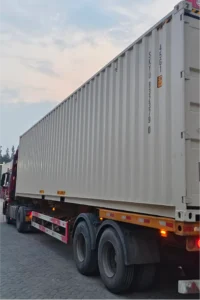
Looking to buy shipping containers in China for international transport, storage, construction or commercial use?
China offers access to a large container manufacturing and logistics network, making it possible for overseas buyers to purchase new, one-trip and used shipping containers in a range of sizes.
However, buying a container from China involves more than selecting a container and paying the unit price.
International buyers need to consider:
- Container size and condition
- Storage or shipping use
- CSC certification
- Depot location
- Container inspection
- Factory pickup and cargo loading
- Export customs clearance
- Ocean freight
- Destination port charges
- Import customs clearance
- Final delivery
ONE BOX helps international customers source suitable containers in China and coordinate the purchasing, inspection, loading and export process.
Whether you need one 20ft storage container, several 40ft high cube containers or a shipper-owned container loaded with products from China, this guide explains the complete purchasing process.
Why Buy Shipping Containers from China?
China is one of the world’s major shipping container manufacturing and export centers.
It has an established supply chain covering container steel, components, production, repair, depot management, trucking, customs clearance and international shipping.
Buying containers from China may offer several advantages.
Wide Selection of Container Types
International buyers can source:
- 20ft standard containers
- 40ft standard containers
- 40ft high cube containers
- Brand-new containers
- One-trip containers
- Used shipping containers
- Wind and watertight containers
- Cargo-worthy containers
- Side-opening containers
- Double-door containers
- Open-side containers
- Customized storage containers
The right container depends on the buyer’s cargo, budget, destination and final application.
Access to Major Container Ports
Containers can be sourced near major Chinese ports and industrial regions, including:
- Qingdao
- Shanghai
- Ningbo
- Tianjin
- Dalian
- Shenzhen
- Guangzhou
- Xiamen
Choosing a container near the cargo factory or export port may reduce inland transportation costs.
Ability to Load Cargo Inside the Purchased Container
Many international customers purchase a container in China because they also need to ship products from Chinese factories.
Instead of exporting an empty container, the buyer can purchase the container, deliver it to the factory, load products inside and ship the loaded container overseas.
After the cargo is unloaded, the customer keeps the container for:
- Warehouse storage
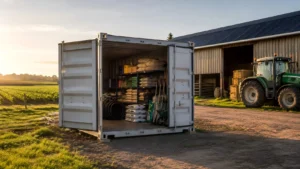
- Farm storage
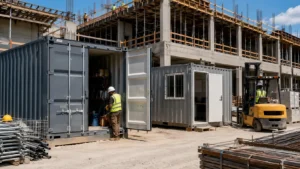
- Construction equipment
- Workshop use
- Commercial inventory
- Container conversion
- Outdoor storage
This approach allows the container to serve both as transport equipment and as a permanent asset at the destination.
Competitive Manufacturing Supply Chain
China has an established supply network for:
- Corten steel panels
- Container doors
- Locking bars
- Corner castings
- Marine-grade plywood floors
- Door seals
- Ventilation systems
- Container coatings
- Electrical components
- Modification accessories
This makes it possible to source both standard shipping containers and selected customized solutions.
What Types of Shipping Containers Can You Buy in China?
ONE BOX supplies several common container sizes and configurations.
20ft Shipping Containers
A 20ft standard container is a popular choice for buyers who need a compact and durable container.
Typical applications include:
- General cargo shipping
- Tools and machinery storage
- Construction materials
- Farm equipment
- Household storage
- Small business inventory
- Temporary warehouse space
- Workshop conversions
Typical specifications are:
| Item | 20ft Standard Container |
|---|---|
| External Length | 6,058 mm |
| External Width | 2,438 mm |
| External Height | 2,591 mm |
| Internal Volume | Approximately 33 CBM |
| Door Type | Standard double cargo doors |
| Material | Corten steel |
| Common Use | Shipping, storage and conversion |
A 20ft container is usually easier to transport and position than a 40ft container, especially when the final site has limited access.
40ft Shipping Containers
A 40ft standard container provides approximately twice the floor length of a 20ft container.
It is suitable for:
- High-volume commercial cargo
- Furniture and appliances
- Construction materials
- Industrial equipment
- Warehouse overflow
- Agricultural products
- Export consolidation
- Large storage projects
A 40ft container may offer a lower storage cost per square meter than purchasing two 20ft containers.
However, buyers should confirm that the delivery site has enough space for the truck, trailer and unloading equipment.
40ft High Cube Containers
A 40ft high cube container provides additional internal height compared with a standard 40ft container.
Typical specifications include:
| Item | 40ft High Cube Container |
|---|---|
| External Length | 12,192 mm |
| External Width | 2,438 mm |
| External Height | 2,896 mm |
| Internal Volume | Approximately 76.4 CBM |
| Door Type | Standard double cargo doors |
| Material | Corten steel |
| Common Use | Shipping, storage and conversion |
The additional height makes the 40HC suitable for:
- Tall machinery
- Stacked pallets
- Storage racks
- Furniture
- Lightweight high-volume products
- Container workshops
- Container homes
- Commercial conversion projects
For many international buyers, the 40ft high cube offers the best combination of floor area and internal volume.
Side-Opening Containers
A side-opening container has doors along one side as well as standard end doors.
This design provides wider access to stored products.
Common applications include:
- Retail inventory
- Machinery
- Construction materials
- Event equipment
- Container shops
- Temporary showrooms
- Mobile workshops
- Frequently accessed storage
Side-opening containers are particularly useful when cargo cannot be loaded efficiently through standard end doors.
New and One-Trip Containers
A new container may also be described as a one-trip container.
It has normally completed only one shipping journey after manufacture.
Advantages may include:
- Cleaner interior
- Better external appearance
- Minimal dents
- Newer flooring
- Strong door seals
- Longer expected service life
- Lower initial maintenance
- Better suitability for branding and modification
New containers are often selected for:
- Long-term warehouse storage
- Container offices
- Container shops
- Workshops
- Commercial projects
- Container buildings
- High-value equipment storage
Used Shipping Containers
Used containers are generally more affordable than new containers.
A used container may show:
- Paint fading
- Surface rust
- Small dents
- Previous shipping labels
- Floor wear
- Repaired panels
- Scratches and handling marks
These cosmetic signs do not necessarily affect storage performance.
A properly inspected used container can remain suitable for:
- General storage
- Construction sites
- Farms
- Industrial yards
- Tools and machinery
- Low-cost warehouse projects
- Cargo transportation
The required condition depends on whether the container will be used only for storage or shipped internationally.
New vs Used Shipping Containers: Which Should You Buy?
The right choice depends on budget, appearance requirements and intended use.
Buy a New Container When:
- Appearance is important
- The container will be used for a branded project
- You need a clean interior
- You plan to convert it into an office or shop
- You want a longer expected service life
- You prefer lower initial maintenance
- The container will store sensitive products
Buy a Used Container When:
- Budget is the main consideration
- Cosmetic wear is acceptable
- The container will be used on a farm or construction site
- You need general equipment storage
- The container will remain in an industrial yard
- You need temporary warehouse capacity
- You are comfortable inspecting the unit before purchase
ONE BOX can help customers compare available new and used container options based on their application.
Storage Container vs Shipping Container
Not every storage container is automatically suitable for international transportation.
Before buying, confirm how the container will be used.
Wind and Watertight Containers
A wind and watertight container should prevent normal wind and rain from entering.
It is commonly used for:
- Stationary storage
- Construction tools
- Farm equipment
- Commercial inventory
- Workshop storage
- Local warehouse projects
Wind and watertight condition does not automatically mean the container is approved for ocean shipping.
Cargo-Worthy Containers
A cargo-worthy container should have sufficient structural condition for cargo transportation.
Important areas include:
- Corner posts
- Roof
- Side walls
- Floor
- Cargo doors
- Door frame
- Corner castings
- Understructure
A formal inspection may be needed before the shipping line accepts the container.
CSC-Valid Containers
A container used for international transport normally needs acceptable CSC certification and examination status.
The container’s CSC plate should be checked for:
- Manufacturer information
- Identification number
- Maximum gross weight
- Allowable stacking load
- Examination status
- Relevant approval information
If the container will be exported with cargo, the shipping line’s shipper-owned container requirements should be confirmed before loading.
How to Buy a Shipping Container in China
The following process can help international buyers reduce purchasing and transportation risks.
Step 1: Define Your Container Requirements
Provide the supplier with:
- Container size
- New or used condition
- Required quantity
- Storage or shipping use
- Cargo name
- Cargo weight
- Loading city
- Destination port
- Final delivery address
- Required modifications
- Expected purchase date
Clear information helps the supplier recommend the correct container.
Step 2: Select the Container Location
The container depot should ideally be located near:
- The cargo factory
- The loading warehouse
- The export port
- The container modification facility
A low-priced container located far from the factory may result in high trucking expenses.
The total cost should include both the container price and the transportation required to position it for loading.
Step 3: Review Actual Container Photos
For used containers, request current photos showing:
- Front doors
- Door locking bars
- Door seals
- Left and right walls
- Front wall
- Roof
- Interior
- Floor
- Corner castings
- Container number
- CSC plate
Photos should represent the actual container or clearly stated available inventory.
Step 4: Arrange Container Inspection
A container inspection should verify:
- Structural condition
- Wind and watertight performance
- Door operation
- Floor condition
- Roof condition
- Side wall condition
- Corner casting condition
- Container identification
- CSC information
- Cleanliness and odor
A third-party inspection can also be arranged for large orders or projects with strict quality requirements.
Step 5: Confirm the Purchase and Release
After the container is approved, the supplier confirms:
- Unit price
- Container number
- Depot location
- Release procedure
- Available pickup date
- Payment terms
- Ownership documentation
- Export plan
The depot then releases the container for trucking or loading.
Step 6: Deliver the Container to the Factory
The purchased container can be delivered to:
- A manufacturing factory
- A consolidation warehouse
- A container loading yard
- A modification facility
- An export packing warehouse
Before loading, the interior should be checked again for cleanliness, water leakage and damage.
Step 7: Load and Secure the Cargo
Cargo should be loaded according to:
- Weight distribution
- Floor load limits
- Cargo dimensions
- Container payload
- Export packing requirements
- Moisture protection
- Cargo securing requirements
Possible securing materials include:
- Straps
- Timber blocking
- Airbags
- Anti-slip mats
- Pallets
- Bracing
- Protective covers
The total cargo weight must remain within the container and shipping line limits.
Step 8: Complete Export Customs Clearance
Export documentation may include:
- Commercial invoice
- Packing list
- Sales contract
- Customs declaration
- Cargo HS code
- Container number
- Shipping instructions
- Certificate of origin, when required
- Product certificates, when applicable
The documentation requirements depend on the cargo and destination country.
Step 9: Ship the Container Overseas
The loaded shipper-owned container is delivered to the port and shipped according to the confirmed vessel schedule.
The transport may include:
- Port gate-in
- Terminal handling
- Ocean freight
- Transshipment
- Destination terminal handling
- Import customs clearance
- Container trucking
- Final delivery
Step 10: Keep the Container After Unloading
Unlike a carrier-owned container, a purchased container belongs to the buyer.
After delivery and unloading, it can be used as:
- Outdoor storage
- Warehouse space
- Farm storage
- Equipment room
- Workshop
- Container office
- Retail unit
- Construction storage
The buyer normally does not need to return the container to the shipping line.
What Should You Check Before Buying a Used Container?
Used containers should be inspected carefully.
Cargo Doors
Check that the doors open and close correctly.
Inspect:
- Locking bars
- Handles
- Hinges
- Rubber seals
- Locking cams
- Door frame
- Lockbox
Difficult doors may indicate alignment or structural problems.
Roof
Look for:
- Holes
- Severe corrosion
- Deep dents
- Water collection areas
- Poor-quality repairs
Roof damage can allow water to enter the container.
Side Walls
Minor dents are common.
However, deep corrosion, large repaired areas or severe deformation may reduce the container’s structural quality.
Floor
Inspect the floor for:
- Broken boards
- Soft areas
- Excessive wear
- Strong odors
- Oil stains
- Chemical contamination
- Moisture damage
Customers storing furniture, electronics or clean products should pay special attention to the floor and interior condition.
Interior Light Test
Close the doors while standing inside the container during daylight.
Visible light through the roof or walls may indicate holes.
Corner Castings and Structure
The corner castings, corner posts and bottom rails are important structural components.
They should not have severe cracking, deformation or corrosion.
How Much Does It Cost to Buy a Shipping Container in China?
Shipping container prices vary according to market conditions and project requirements.
Important price factors include:
- Container size
- New or used condition
- Manufacturing year
- Structural condition
- CSC status
- Depot location
- Available inventory
- Container color
- Special door configuration
- Modification requirements
- Purchase quantity
- Trucking distance
- Export port
- Ocean freight
- Destination charges
When comparing offers, ask whether the quotation includes:
- Container unit price
- Depot release fee
- Inspection
- Inland trucking
- Factory loading
- Modification work
- Export customs clearance
- Port handling
- Ocean freight
- Destination charges
- Import customs clearance
- Duties and taxes
- Final delivery
A low container price does not always result in the lowest total landed cost.
Can You Export an Empty Shipping Container from China?
Yes, but shipping an empty container may not always be the most economical option.
Possible methods include:
Shipping the Container as SOC Equipment
A shipper-owned container may be accepted by a shipping line, subject to its condition, certification and documentation.
Shipping Multiple Containers Together
Multiple empty containers may sometimes be transported using specialized arrangements, depending on the quantity, route and carrier.
Loading Products Inside the Container
For many buyers, loading products inside the purchased container is the most practical solution because the ocean freight also transports commercial cargo.
ONE BOX can help evaluate the available method based on the container location and destination.
Container Modification Options
Before export, selected containers can be modified according to the project.
Possible modifications include:
- Lockboxes
- Additional vents
- Personnel doors
- Windows
- Shelving
- Storage racks
- Lighting
- Electrical outlets
- Insulation
- Air conditioning
- Internal partitions
- Custom paint
- Company branding
- Loading ramps
- Steel flooring
The design should consider both final use and international transportation requirements.
Major modifications may affect structural strength and should be completed by experienced technicians.
Common Mistakes When Buying Containers from China
Choosing Only by Price
The cheapest container may have poor doors, damaged flooring, severe corrosion or an inconvenient depot location.
Evaluate total condition and landed cost instead of unit price alone.
Not Confirming the Final Use
A stationary storage container and an internationally shipped container may require different conditions and certification.
Tell the supplier exactly how the container will be used.
Ignoring Inland Trucking Costs
A container located far from the cargo factory may create significant trucking expenses.
Always confirm the depot location.
Buying Without Actual Photos
Used container quality varies.
Request actual photos or inspection reports before approval.
Loading Before Shipping Line Approval
The shipping line should confirm acceptance of the shipper-owned container before cargo is loaded.
Otherwise, the buyer may face delays or additional costs.
Forgetting Destination Delivery Access
Before purchasing, confirm:
- Road width
- Gate width
- Overhead cables
- Ground condition
- Turning space
- Crane access
- Side-loader access
- Local permit requirements
A 40ft container requires considerably more delivery space than a 20ft unit.
Why Buy Shipping Containers from ONE BOX?
ONE BOX provides practical container supply and export support for international buyers.
New and Used Containers
We can source new, one-trip and used containers according to project requirements.
Multiple Sizes
Available options include:
- 20ft standard
- 40ft standard
- 40ft high cube
- Side-opening containers
- Selected customized containers
Inspection Support
Available photos, condition details and inspection coordination can be provided before the container is released.
Cargo Loading in China
The purchased container can be transported to a factory or warehouse for product loading.
Export Coordination
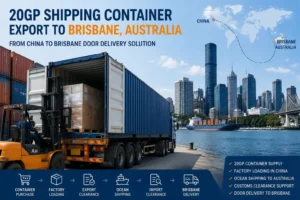
ONE BOX and its logistics partners can coordinate:
- Depot release
- Empty container trucking
- Factory pickup
- Cargo loading
- Export customs clearance
- Port delivery
- Ocean freight
- Destination clearance
- Door delivery
Global Delivery Support
Container export and delivery solutions may be arranged for customers in:
- United States
- Canada
- United Kingdom
- Europe
- Australia
- New Zealand
- Southeast Asia
- Middle East
Service availability depends on container inventory, shipping routes and final delivery conditions.
Information Needed for a Container Quote
To receive an accurate quotation, please provide:
- Required size
- New or used condition
- Quantity
- Loading city in China
- Factory address
- Cargo name
- Cargo weight
- Cargo volume
- Export port
- Destination port
- Final delivery address
- Container use
- Required modifications
- Required certification
- Expected loading date
For door delivery, provide the destination postal code and site access information.
Frequently Asked Questions
Can foreigners buy shipping containers in China?
Yes. Overseas companies and buyers can purchase containers in China and arrange international export, subject to payment, customs, shipping and destination requirements.
Can I buy only one container?
Yes. One-container orders may be available, although the total transportation cost should be evaluated carefully.
Can I load my products inside the container?
Yes. The container can be delivered to a Chinese factory or warehouse for loading before export, subject to shipping line approval and container certification.
Which container size should I buy?
A 20ft container is suitable for compact sites, heavy cargo and smaller storage requirements. A 40ft or 40ft high cube container is better for high-volume cargo and large storage projects.
Is a used container suitable for international shipping?
It may be suitable when it is cargo-worthy, has acceptable CSC status and is approved by the shipping line.
Can ONE BOX inspect the container?
ONE BOX can provide available container photos and coordinate condition inspections according to the project.
Can I keep the container after delivery?
Yes. When you purchase a shipper-owned container, it remains your property after the cargo is unloaded.
Does ONE BOX provide door-to-door delivery?
Door delivery may be arranged depending on the destination, customs requirements, local trucking coverage and site access.
Can the container be modified before export?
Yes. Selected modifications such as vents, doors, windows, shelving, insulation, electrical systems and custom paint may be available.
How long does the purchasing and shipping process take?
The total time depends on container availability, inspection, modification, factory loading, customs clearance, vessel schedules and destination delivery.
Request a Quote to Buy Shipping Containers in China
Buying a container in China can be a practical solution for international buyers who need both cargo transportation and long-term storage.
ONE BOX supplies new and used 20ft, 40ft and 40ft high cube shipping containers for storage, export and commercial projects.
We can help coordinate container sourcing, inspection, depot release, factory delivery, cargo loading, export customs clearance, ocean freight and final delivery.
Send us your required container size, quantity, loading city, cargo details and destination.
ONE BOX will help you compare suitable container options and develop a practical purchasing and shipping plan.
Buy shipping containers in China with ONE BOX—reliable supply, professional inspection and global delivery support.