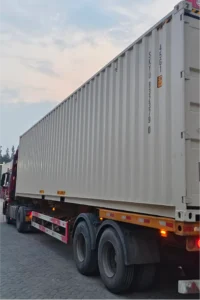
Can you buy a container in China and load cargo for export?
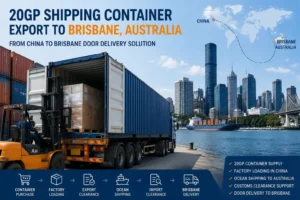
Yes. International buyers can purchase a new or used shipping container in China, deliver it to a factory or warehouse, load commercial products inside and ship the complete unit overseas.
After the cargo arrives and is unloaded, the buyer keeps the container for storage, workshop use, construction equipment, farming or another commercial project.
This approach is particularly useful for companies that need both:
- International transportation for products purchased in China
- A permanent shipping container at the destination
ONE BOX supplies new and used shipping containers and helps international customers coordinate container inspection, depot release, factory delivery, cargo loading, export customs clearance, ocean freight and final door delivery.
This guide explains how the complete process works, what documents are required and what buyers should check before purchasing and exporting a container from China.
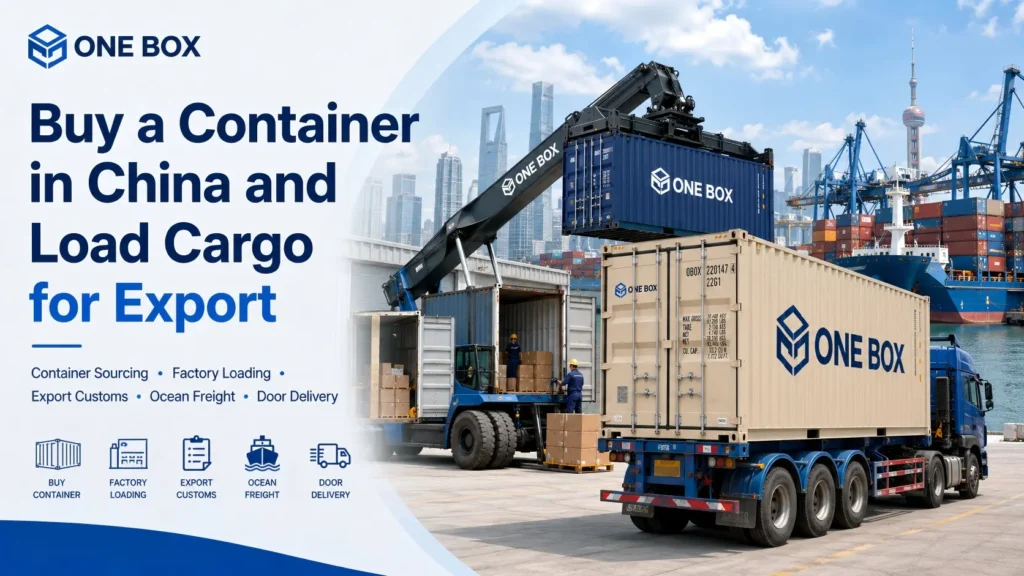
How Does the Process Work?
The basic process is straightforward:
- Select a suitable container in China.
- Inspect and purchase the container.
- Release it from the container depot.
- Deliver it to the cargo factory or loading warehouse.
- Load and secure the products.
- Complete Chinese export customs clearance.
- Deliver the loaded container to the port.
- Ship it to the destination country.
- Complete import customs clearance.
- Deliver the container to the final address.
- Unload the cargo and keep the container.
A purchased container used for international shipping is commonly called a shipper-owned container, or SOC.
Unlike a carrier-owned container, an SOC normally does not need to be returned to the shipping line after delivery.
Why Buy a Container and Load Cargo Inside?
Buying a container and loading products inside can provide several practical benefits.
Use the Container for Transport and Storage
The container transports the buyer’s cargo from China and then becomes a permanent storage asset at the destination.
After unloading, it may be used for:
- Commercial inventory
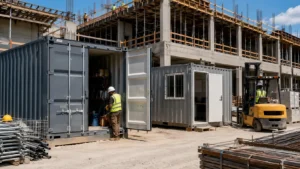
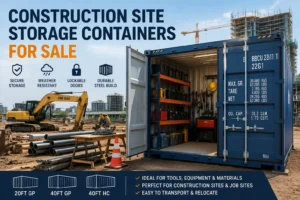
- Construction tools
- Machinery
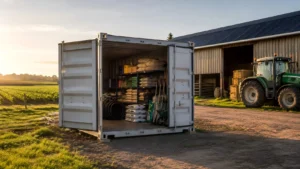
- Agricultural equipment
- Furniture
- Building materials
- Workshop equipment
- Retail stock
- Outdoor storage
- Container conversion
This eliminates the need to arrange a separate local container purchase after the cargo arrives.
Avoid Shipping an Empty Container
Shipping an empty purchased container can be expensive because the buyer pays international freight without using the internal cargo space.
Loading commercial products inside allows the same shipment to transport:
- The purchased container
- The buyer’s products
- Factory equipment
- Building materials
- Commercial inventory
For many projects, this is more practical than exporting an empty container.
Consolidate Products from Multiple Suppliers
A purchased container can be delivered to a consolidation warehouse where products from several Chinese factories are collected and loaded together.
This may be useful when the buyer purchases:
- Machinery from one factory
- Spare parts from another supplier
- Packaging from a third supplier
- Tools or accessories from additional manufacturers
The warehouse can receive, count, inspect and load the products into the purchased container before export.
Keep the Container at the Destination
Because the buyer owns the container, it can remain at the destination after unloading.
There is normally no requirement to:
- Return the empty container to a shipping-line depot
- Pay late return penalties
- Arrange empty container repositioning
- Meet carrier free-time deadlines
The exact arrangement should still be confirmed with the selected carrier and destination logistics provider.
What Is a Shipper-Owned Container?
A shipper-owned container is a shipping container owned by the cargo owner, exporter or another private party rather than the ocean carrier.
It is commonly abbreviated as SOC.
An SOC may be:
- Purchased new
- Purchased as a one-trip container
- Purchased used
- Already owned by the shipper
- Modified for a specific cargo or project
When an SOC is loaded for international transport, the shipping line provides ocean transportation but does not own the container.
This is different from a carrier-owned container, sometimes called a COC, which must normally be returned after unloading.
Containers Available from ONE BOX
ONE BOX supplies common container sizes and selected special configurations for export and storage projects.
20ft Standard Container
A 20ft standard container is compact and suitable for smaller cargo volumes or dense products.
Typical specifications include:
| Item | Specification |
|---|---|
| Container Type | 20ft Standard Container |
| External Length | 6,058 mm |
| External Width | 2,438 mm |
| External Height | 2,591 mm |
| Internal Volume | Approximately 33 CBM |
| Door Type | Standard Double Cargo Doors |
| Material | Corten Steel |
| Main Uses | Shipping, Storage and Conversion |
A 20ft container is commonly used for:
- Machinery
- Steel products
- Building materials
- Tools
- Industrial components
- Agricultural equipment
- Minerals
- Dense commercial cargo
- Construction storage
Its shorter size can make factory loading and final positioning easier where space is limited.
40ft Standard Container
A 40ft standard container provides more floor area for long products and large cargo volumes.
Typical applications include:
- Furniture
- Construction materials
- Machinery
- Commercial inventory
- Palletized cargo
- Automotive parts
- Electrical products
- Industrial equipment
A 40ft container may provide a lower storage cost per square meter than two separate 20ft containers.
The factory and destination site must have enough access for a 40ft trailer.
40ft High Cube Container
A 40ft high cube container provides additional internal height.
Typical specifications include:
| Item | Specification |
|---|---|
| Container Type | 40ft High Cube Container |
| External Length | 12,192 mm |
| External Width | 2,438 mm |
| External Height | 2,896 mm |
| Internal Volume | Approximately 76.4 CBM |
| Door Type | Standard Double Cargo Doors |
| Material | Corten Steel |
| Main Uses | High-Volume Shipping, Storage and Conversion |
A 40HC container is often selected for:
- Furniture
- Aluminum fences and gates
- Plastic products
- Textiles
- Lightweight machinery
- Building materials
- Storage racks
- High-volume consumer goods
- Container workshops
- Commercial storage
For many export projects, the 40ft high cube offers the best combination of internal volume and storage value.
Side-Opening Containers
A side-opening container has additional doors along one side.
It may be suitable for:
- Machinery
- Building materials
- Retail inventory
- Event equipment
- Container shops
- Frequently accessed storage
- Workshop projects
Carrier acceptance and CSC status should be confirmed before using a special container for international transportation.
Double-Door Containers
A double-door or tunnel container has cargo doors at both ends.
This configuration may help with:
- Long products
- Loading from either end
- Warehouse workflows
- Divided storage areas
- Faster cargo access
The buyer should confirm whether the selected carrier accepts the specific container design.
New vs Used Containers
International buyers can select new or used containers depending on budget and final use.
New and One-Trip Containers
A new container is often called a one-trip container because it may have completed one cargo movement after manufacture.
Benefits may include:
- Cleaner interior
- Better exterior appearance
- Minimal dents
- Newer flooring
- Stronger door seals
- Longer expected service life
- Lower initial maintenance
- Better suitability for branding and modification
New containers are commonly selected for:
- Long-term storage
- Container offices
- Retail projects
- Workshops
- Container homes
- High-value equipment
- Branded commercial applications
Used Shipping Containers
Used containers generally offer a lower purchase price.
Normal signs of previous use may include:
- Surface rust
- Paint fading
- Small dents
- Scratches
- Shipping labels
- Floor wear
- Previous repair marks
- Owner identification
Cosmetic wear does not automatically make the container unsuitable.
The important factors are:
- Structural strength
- Door operation
- Roof condition
- Floor quality
- Wind-and-watertight performance
- CSC status
- Previous contamination
- Intended application
ONE BOX can provide available photos and coordinate inspection before the container is released.
Storage-Grade vs Export-Grade Containers
Not every container sold for storage is automatically suitable for international transportation.
Buyers should select the condition according to the project.
Wind-and-Watertight Container
A wind-and-watertight container should protect normally stored products from wind and rain.
It may be suitable for:
- Factory storage
- Farms
- Construction sites
- Tools
- Machinery
- Building materials
- General inventory
However, wind-and-watertight condition does not automatically confirm that the container can be used for ocean shipping.
Cargo-Worthy Container
A cargo-worthy container should have adequate structural condition for cargo transport.
Inspection normally focuses on:
- Corner posts
- Top and bottom rails
- Roof
- Side panels
- Cargo doors
- Flooring
- Understructure
- Corner castings
A formal inspection may be required before carrier acceptance.
CSC-Valid Container
Containers used for international transportation normally need acceptable CSC approval and examination information.
The CSC plate may include:
- Manufacturer information
- Container identification
- Maximum gross weight
- Allowable stacking load
- Approval details
- Examination information
The container number and CSC status should be checked before loading begins.
Complete Process: Buy a Container and Load Cargo in China
Step 1: Define the Project Requirements
The buyer should first provide:
- Required container size
- New or used condition
- Quantity
- Cargo name
- Cargo dimensions
- Cargo weight
- Cargo volume
- Factory city
- Loading address
- Export port
- Destination port
- Final delivery address
- Required modifications
- Expected loading date
This information helps determine whether a 20ft, 40ft or 40ft high cube container is most suitable.
Step 2: Select the Container Location
Container location can have a major effect on the total cost.
The selected container should ideally be located near:
- The cargo factory
- A consolidation warehouse
- The export port
- A modification facility
ONE BOX can source containers near major Chinese port and manufacturing regions, including:
A lower-priced container located far from the factory may create higher empty trucking costs.
The total comparison should include:
- Container price
- Depot release fee
- Empty trucking
- Factory distance
- Port distance
- Available loading date
Step 3: Review Photos and Condition Information
Before purchasing a used container, the buyer should review recent photos showing:
- Cargo doors
- Locking bars
- Door seals
- Both side walls
- Front wall
- Roof
- Interior
- Floor
- Corner castings
- Container number
- CSC plate
Photos should represent the actual selected unit whenever possible.
Step 4: Arrange Container Inspection
A container inspection may include:
- Door opening and closing test
- Locking-bar inspection
- Door-seal inspection
- Roof inspection
- Side-wall inspection
- Floor inspection
- Interior light test
- Wind-and-watertight test
- Corner-casting inspection
- Container-number verification
- CSC plate check
- Odor and contamination check
Third-party inspection may also be arranged for larger orders or projects with strict requirements.
Step 5: Confirm Carrier SOC Acceptance
Before the container is loaded, the selected shipping line should confirm that it accepts shipper-owned containers on the planned route.
The carrier may request:
- Container number
- Container size and type
- CSC information
- Ownership details
- Container photos
- Inspection certificate
- Maximum gross weight
- Cargo information
- Export port
- Destination port
SOC acceptance should be confirmed before factory loading to reduce the risk of delays.
Step 6: Purchase and Release the Container
After the container is approved, the quotation and purchase terms should confirm:
- Container price
- Selected container number
- Depot location
- Release date
- Payment terms
- Inspection status
- Ownership documentation
- Trucking arrangements
The depot then releases the container to the appointed truck.
Step 7: Deliver the Empty Container to the Factory
The empty container may be delivered to:
- A manufacturing factory
- A consolidation warehouse
- A container loading yard
- A modification facility
- An export packing warehouse
Before dispatching the truck, confirm:
- Factory address
- Contact person
- Loading date
- Loading equipment
- Vehicle access
- Loading time
- Cargo readiness
- Container positioning requirements
Waiting-time charges may apply when cargo is not ready.
Step 8: Inspect the Container Again Before Loading
The factory or warehouse should inspect the container before loading products.
Check:
- Correct container number
- Clean interior
- Dry floor
- No visible holes
- No water leakage
- Doors operating correctly
- No strong odor
- No visible contamination
- Sufficient internal dimensions
Any problem should be reported before cargo is loaded.
Step 9: Load the Cargo
Products should be loaded according to:
- Cargo dimensions
- Weight
- Center of gravity
- Floor-loading limits
- Container payload
- Unloading method
- Product fragility
- Moisture sensitivity
Heavy products should normally be placed low and distributed evenly.
The loading team should avoid:
- Concentrating excessive weight in one area
- Blocking the cargo doors
- Exceeding the maximum payload
- Leaving heavy cargo unsecured
- Loading wet products
- Damaging the container floor
Step 10: Secure the Cargo
Cargo securing is essential for preventing movement during trucking, terminal handling and ocean transportation.
Common securing materials include:
- Ratchet straps
- Timber blocking
- Dunnage airbags
- Anti-slip mats
- Pallets
- Protective covers
- Steel bands
- Plastic bands
- Bracing
- Corner protection
Photographs should be taken during and after loading.
Useful records include:
- Empty container condition
- Container number
- Cargo loading process
- Cargo securing
- Final cargo position
- Door closure
- Seal number
Step 11: Complete Export Customs Clearance
The exporter or customs agent prepares the required export declaration.
Common documents may include:
- Commercial invoice
- Packing list
- Sales contract
- Export customs declaration
- Cargo HS code
- Shipping instructions
- Container number
- Container ownership information
- Certificate of origin, when required
- Product certificates, when applicable
The exact documentation depends on the cargo and destination country.
Step 12: Deliver the Loaded Container to Port
After loading and customs preparation, the container is transported to the export terminal before the carrier’s cutoff time.
The port process may include:
- Weighing
- Verified gross mass submission
- Port gate-in
- Customs inspection, if selected
- Terminal handling
- Shipping-document confirmation
- Vessel loading
The truck, factory and freight forwarder should coordinate carefully to avoid missing the cutoff.
Step 13: Ocean Freight
The loaded container is transported according to the confirmed shipping route.
The ocean movement may involve:
- Direct sailing
- Transshipment
- Feeder service
- Mainline vessel
- Destination terminal handling
The transit time depends on:
- Export port
- Destination port
- Carrier
- Vessel schedule
- Transshipment route
- Port congestion
- Customs procedures
Step 14: Import Customs Clearance
At the destination, the importer or customs broker completes import clearance.
Common requirements may include:
- Commercial invoice
- Packing list
- Bill of lading
- Cargo HS code
- Customs value
- Importer details
- Product certificates
- Country-of-origin information
- Duty and tax payment
The container itself may also need to be declared according to the destination country’s customs requirements.
Step 15: Final Delivery
After customs and terminal release, the container is collected and delivered to:
- A warehouse
- A business address
- A construction site
- A farm
- A residential property
- An industrial yard
- A storage facility
Delivery options may include:
- Standard chassis delivery
- Side-loader delivery
- Crane truck delivery
- Tilt-bed delivery
- Separate crane unloading
The appropriate delivery method depends on local equipment availability and site conditions.
Step 16: Unload the Cargo and Keep the Container
After delivery, the buyer unloads the products and keeps the container.
It may then be used for:
- Storage
- Warehouse overflow
- Machinery protection
- Farm equipment
- Construction tools
- Container workshop
- Office conversion
- Retail conversion
Because the buyer owns the container, it normally does not need to be returned to the carrier.
Can Products from Multiple Chinese Factories Be Loaded?
Yes. Products from multiple suppliers can be delivered to a consolidation warehouse.
A typical consolidation process includes:
- Receiving products from each factory
- Checking quantities
- Inspecting packaging
- Measuring cargo
- Preparing a loading plan
- Purchasing and releasing the container
- Loading all products together
- Securing the cargo
- Preparing a combined packing list
- Exporting the complete shipment
This solution may be useful for buyers purchasing different products from several Chinese manufacturers.
Can the Purchased Container Be Modified Before Loading?
Yes. Selected modifications may be completed before export.
Possible options include:
- Steel lockbox
- Additional ventilation
- Personnel door
- Windows
- Shelving
- Storage racks
- Electrical wiring
- Lighting
- Insulation
- Air conditioning
- Internal partitions
- Custom paint
- Company logo
- Loading ramp
- Steel flooring
However, major modifications can affect:
- Structural strength
- CSC approval
- Carrier acceptance
- Export timing
- Container weight
- Local building compliance
The modification plan should be reviewed before work begins.
How Much Does the Complete Project Cost?
The total cost includes more than the container purchase price.
A complete quotation may include:
| Cost Item | Description |
|---|---|
| Container Price | Cost of the new or used container |
| Inspection | Depot or third-party condition inspection |
| Depot Release | Container release and handling charges |
| Empty Trucking | Delivery from depot to factory |
| Consolidation | Warehouse receiving and cargo handling |
| Factory Loading | Labor and loading equipment |
| Cargo Securing | Straps, timber, airbags and other materials |
| Export Clearance | Chinese customs declaration |
| Port Charges | Terminal and documentation expenses |
| Ocean Freight | International transportation |
| Destination Charges | Local terminal and handling expenses |
| Import Clearance | Customs broker service |
| Duties and Taxes | Based on local regulations |
| Final Delivery | Trucking and unloading at destination |
The total price depends on:
- Container size
- New or used condition
- Depot location
- Factory location
- Cargo weight
- Cargo volume
- Export port
- Destination
- Carrier
- Required modifications
- Delivery method
International buyers should compare the total landed cost rather than only the container unit price.
Information Needed for a Quotation
To prepare an accurate quotation, ONE BOX normally needs:
- Required container size
- New or used condition
- Quantity
- Factory city
- Exact loading address
- Cargo description
- HS code, when available
- Cargo dimensions
- Cargo weight
- Cargo volume
- Packing method
- Export port
- Destination port
- Final delivery address
- Destination postal code
- Required modifications
- Required CSC status
- Expected loading date
Photos of the cargo and delivery site may also be helpful.
Destination Site Requirements
Before shipping the purchased container, check whether the final site can receive it.
Important factors include:
- Road width
- Gate width
- Turning space
- Overhead cables
- Trees and branches
- Ground stability
- Slope
- Crane access
- Side-loader access
- Local planning requirements
A 40ft high cube container requires more maneuvering and unloading space than a 20ft container.
The installation area should be level and stable.
Common support options include:
- Concrete blocks
- Concrete pads
- Steel supports
- Compacted gravel
- Engineered foundations
Supporting the four container corners correctly helps keep the doors aligned.
Common Mistakes to Avoid
Buying Before Confirming Carrier Acceptance
Do not assume every shipping line will accept every SOC container.
Confirm the route, container type and CSC status before loading.
Selecting a Container Only by Price
A cheap container may be located far from the factory or require expensive repairs.
Compare condition and total logistics cost.
Using a Storage-Only Container for Export
A wind-and-watertight storage unit may not meet international transportation requirements.
Select a suitable cargo-worthy and CSC-valid container.
Loading Before Inspection
Inspect the container before loading cargo.
Once the products are inside, replacing a damaged container becomes difficult and expensive.
Ignoring Cargo Weight Distribution
Uneven loading may damage the cargo, container floor or transportation equipment.
Prepare a loading plan for heavy or irregular products.
Failing to Secure the Cargo
Cargo can move during trucking, crane handling and ocean transport.
Use suitable straps, blocking and protective materials.
Ignoring Destination Access
Confirm the truck and unloading equipment can reach the delivery site.
A container cannot always be unloaded at a narrow residential or rural location.
Comparing Only Ocean Freight
A low ocean-freight rate may be offset by high depot, terminal, customs or destination costs.
Compare the complete door-to-door quotation.
Why Choose ONE BOX?
ONE BOX provides container sourcing and logistics coordination for international buyers purchasing products from China.
New and Used Containers
Available options may include:
- 20ft standard containers
- 40ft standard containers
- 40ft high cube containers
- New one-trip containers
- Used cargo-worthy containers
- Wind-and-watertight containers
- Selected special containers
Container Inspection
ONE BOX can provide available photos, container information and inspection coordination before depot release.
Factory and Warehouse Loading
The purchased container can be delivered to:
- One factory
- Multiple factories through consolidation
- An export warehouse
- A container loading yard
Export Logistics Support
ONE BOX and its logistics partners can coordinate:
- Container sourcing
- Depot release
- Empty trucking
- Factory pickup
- Warehouse consolidation
- Cargo loading
- Cargo securing
- Export customs clearance
- Port delivery
- Ocean freight
- Destination customs support
- Final door delivery
Global Delivery
Shipping solutions may be available for destinations in:
- United States
- Canada
- United Kingdom
- Europe
- Australia
- New Zealand
- Southeast Asia
- Middle East
- Other international markets
Service availability depends on container inventory, cargo, carrier, route and final destination.
Frequently Asked Questions
Can a foreign buyer purchase a shipping container in China?
Yes. Overseas businesses and individual buyers can purchase containers in China and arrange export, subject to payment, customs, carrier and destination requirements.
Can I load products into the purchased container?
Yes. The container can be delivered to a factory or consolidation warehouse and loaded before export.
What is an SOC container?
SOC means shipper-owned container. It is owned by the shipper or buyer rather than the ocean carrier.
Can I keep the container after delivery?
Yes. Because the buyer owns the container, it normally remains at the destination after unloading.
Does the container need a CSC plate?
A container used for international transportation normally needs acceptable CSC approval and examination status.
Can I purchase a used container for export?
Yes, provided that it is structurally suitable, cargo-worthy, properly inspected and accepted by the carrier.
Can products from multiple factories be loaded together?
Yes. Products can be consolidated at a warehouse and loaded into the purchased container.
Can ONE BOX deliver the container to my Chinese supplier?
Yes. The empty container can be trucked from the depot to the factory or loading warehouse.
Can ONE BOX arrange export customs clearance?
Export customs clearance can be included as part of the coordinated logistics solution.
Can ONE BOX provide door-to-door delivery?
Door delivery may be arranged depending on the destination, customs requirements, trucking coverage and final-site access.
Is it cheaper to ship the container empty or loaded?
Loading commercial products inside is often more economical because the same ocean movement transports both the cargo and the purchased container.
Which container size should I choose?
A 20ft container is often suitable for dense cargo or smaller volumes. A 40ft high cube is commonly selected for lightweight, tall or high-volume products.
Request a Quote from ONE BOX
Buying a shipping container in China and loading products inside can be an efficient solution for companies that need both international cargo transportation and permanent storage at the destination.
ONE BOX can help coordinate the complete process:
- Select a suitable container
- Inspect its condition
- Confirm SOC requirements
- Release it from the depot
- Deliver it to the factory
- Load and secure the products
- Complete export customs clearance
- Arrange ocean freight
- Support destination clearance
- Deliver the container to the final address
Send ONE BOX your required container size, factory address, cargo details and destination.
Our team will help you compare suitable container options and prepare a practical purchasing, loading and export plan.
Buy a container in China, load your cargo and export the complete unit with ONE BOX—container sourcing, factory loading and global delivery in one coordinated solution.