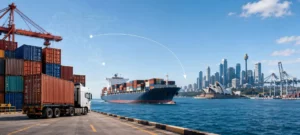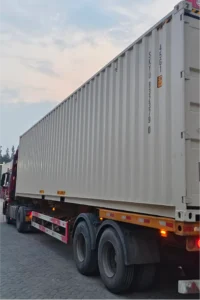
Buying a shipping container in China and transporting it to the United States can be a cost-effective solution for importers, manufacturers, construction companies, warehouse operators and agricultural businesses.
Instead of purchasing an empty container in the USA, buyers can purchase a new or used container in China, load their commercial cargo inside it and ship both the cargo and the container to the United States in a single international shipment.
This model can help reduce empty-container transportation costs while allowing the buyer to use the container as a warehouse, workshop, equipment room or outdoor storage unit after arrival.
However, the process involves more than simply selecting a container and booking ocean freight. Buyers must consider container condition, CSC certification, carrier acceptance, Chinese export procedures, U.S. customs clearance and final delivery arrangements.
This guide explains how to buy shipping containers in China and ship to the USA, including the container purchasing process, available container sizes, export loading, customs documents, transportation costs and common mistakes to avoid.
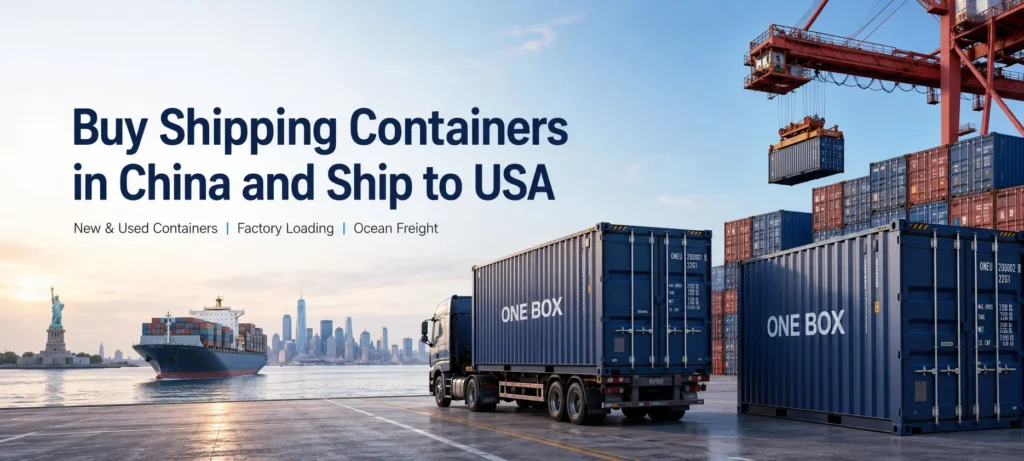
Can You Buy a Shipping Container in China and Ship It to the USA?
Yes. International buyers can purchase shipping containers from suppliers in China and transport them to the United States.
There are two common purchasing models:
- Buy an empty container in China and ship it directly to the USA.
- Buy a container in China, load commercial cargo inside it and ship the loaded container to the USA.
The second option is often more economical because the container performs two functions during the same shipment:
- It transports the buyer’s commercial cargo.
- It becomes the buyer’s property for storage or other applications after delivery.
When the importer owns the container rather than renting equipment from the shipping line, it is generally handled as a shipper-owned container, also called an SOC or merchant-owned container.
The ocean carrier must approve the SOC before accepting it for shipment. The container should have a valid safety approval plate, acceptable structural condition and specifications compatible with the carrier’s equipment requirements.
The International Convention for Safe Containers establishes an international safety approval system for freight containers used in international transport. A valid CSC Safety Approval Plate is therefore an important consideration when purchasing a container that will be loaded onto an ocean vessel.
Why Buy Shipping Containers from China?
China is one of the world’s most important container manufacturing, cargo-export and international shipping markets. Buyers can source containers close to major factories, warehouses and seaports.
Purchasing in China offers several practical advantages.
Wide Selection of Containers
Buyers can source:
- Brand-new shipping containers
- One-trip containers
- Cargo-worthy used containers
- Wind- and watertight containers
- 20ft standard containers
- 40ft standard containers
- 40ft high cube containers
- Side-opening containers
- Open-top containers
- Double-door containers
- Customized storage containers
The right condition depends on whether the container will carry cargo internationally or only be used for stationary storage.
Convenient Factory Loading
A purchased container can be released from a Chinese container depot and transported directly to the supplier’s factory.
The factory can then load products into the container before it is delivered to the export port.
This arrangement is suitable for cargo such as:
- Aluminum fences and gates
- Building materials
- Plastic tarpaulins
- Machinery and equipment
- Furniture
- Steel products
- Sound barrier panels
- Agricultural equipment
- Automotive parts
- Warehouse products
- Industrial components
Access to Major Chinese Ports
Containers can be sourced and exported through major port regions such as:
The most suitable port normally depends on the location of the cargo factory, container availability, ocean carrier acceptance and the final destination in the United States.
Container Can Be Reused After Delivery
After U.S. customs clearance and final delivery, the buyer may use the container for:
- Warehouse storage
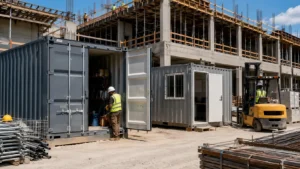
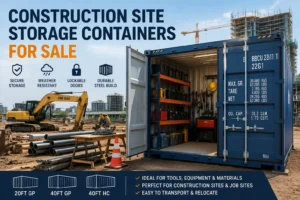
- Construction-site storage
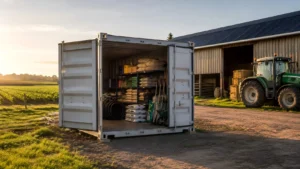
- Farm equipment storage
- Outdoor inventory storage
- Temporary workshops
- Mobile offices
- Commercial storage facilities
- Container conversion projects
This can create more value than renting a carrier-owned container that must be unloaded and returned within a limited free-time period.
What Types of Containers Can Be Shipped from China to the USA?
20ft Standard Shipping Container
A 20ft container is suitable for dense, heavy or relatively small-volume cargo.
| Item | Typical Specification |
|---|---|
| External Length | 6,058 mm |
| External Width | 2,438 mm |
| External Height | 2,591 mm |
| Internal Volume | Approximately 33 CBM |
| Main Applications | Machinery, building materials, heavy goods and storage |
A 20ft container may also be easier to position on smaller properties or construction sites in the United States.
40ft Standard Shipping Container
A 40ft standard container offers approximately twice the floor length of a 20ft container.
It is suitable for lightweight or medium-density cargo requiring more loading space.
Common applications include:
- Furniture
- Building products
- Packaged goods
- Aluminum fencing
- Long industrial products
- Warehouse inventory
40ft High Cube Container
A 40ft high cube, often called a 40HC or 40HQ, is one of the most popular choices for China-to-USA shipments.
| Item | Typical Specification |
|---|---|
| External Length | 12,192 mm |
| External Width | 2,438 mm |
| External Height | 2,896 mm |
| Internal Volume | Approximately 76 CBM |
| Main Applications | High-volume cargo, warehouse storage and oversized products |
The additional internal height makes a 40HQ suitable for bulky products and long-term storage after delivery.
Side-Opening Container
A side-opening container has cargo doors along one side in addition to standard end doors.
This design provides easier access to long, wide or frequently handled products. However, carrier acceptance and available sailing options should be confirmed before purchase.
Double-Door Container
A double-door container has cargo doors at both ends. It is useful when the buyer needs faster loading, unloading or access from either side.
New Versus Used Shipping Containers
The choice between a new and used container depends on budget, appearance, intended lifespan and shipping requirements.
| Factor | New or One-Trip Container | Used Cargo-Worthy Container |
|---|---|---|
| Appearance | Cleaner, with limited dents | May have dents, scratches or repairs |
| Remaining Service Life | Generally longer | Depends on age and maintenance |
| Initial Price | Higher | Lower |
| Cargo Condition | Excellent | Must be inspected |
| Storage Use | Suitable for premium projects | Suitable for cost-sensitive storage |
| CSC Status | Usually current | Must be verified |
A low-priced used container is not automatically suitable for international ocean transportation. It should be structurally inspected and accepted by the carrier before shipment.
Step-by-Step Process for Buying a Container in China
Step 1: Confirm the Container’s Final Use
Before requesting a quotation, determine how the container will be used after arrival.
Important questions include:
- Will the container be used for storage?
- Will it be converted into an office or workshop?
- Will cargo be loaded inside it in China?
- Does the destination have enough access for a delivery truck?
- Is a 20ft or 40ft unit more practical?
- Does the buyer require a new or used container?
- Are special doors or customized features required?
The intended use affects container type, condition, delivery method and total cost.
Step 2: Choose a Suitable Container Supplier
A reliable China shipping container supplier should provide clear information about:
- Container size and type
- Manufacturing year
- Condition grade
- CSC plate status
- Container identification number
- Maximum gross weight
- Tare weight
- Payload
- Door condition
- Floor condition
- Structural repairs
- Depot location
- Loading availability
- Export suitability
Buyers should be cautious about quotations that do not clearly state the container’s condition or export eligibility.
Step 3: Inspect the Container
Before payment or depot release, request detailed photographs or an inspection report.
Important inspection areas include:
- Roof
- Side panels
- Corner posts
- Corner castings
- Cross members
- Door seals
- Locking bars
- Hinges
- Wooden floor
- Underside structure
- CSC Safety Approval Plate
For used containers, check for severe rust, holes, water leakage, chemical odors, damaged floors and significant structural deformation.
Step 4: Confirm SOC Acceptance with the Shipping Line
Do not purchase a container first and assume every carrier will accept it.
Before finalizing the order, the freight forwarder should confirm:
- Whether the ocean carrier accepts SOC equipment
- Permitted container type and dimensions
- Required container documents
- CSC validity requirements
- Container age restrictions, if any
- SOC booking procedures
- Additional SOC handling charges
- Required container photos or inspection certificates
Carrier approval should be completed before the container is delivered to the factory.
Step 5: Arrange Container Release and Trucking
After the order is confirmed, the container is released from a depot.
A container truck transports the empty container to:
- The cargo factory
- A third-party warehouse
- A consolidation warehouse
- A designated loading yard
The trucking plan should consider factory access, loading time and the shipping line’s port cut-off date.
Step 6: Load Cargo Inside the Container
The factory or warehouse loads the products into the purchased container.
During loading, the shipper should:
- Distribute weight evenly
- Secure cargo against movement
- Protect doors from internal pressure
- Use suitable pallets or supports
- Avoid exceeding the permitted payload
- Photograph the empty and loaded container
- Record the container and seal numbers
- Verify the final cargo quantity
When solid-wood pallets, crates, dunnage or other regulated wood packaging enter the United States, they generally must be treated and marked in accordance with ISPM 15 requirements. USDA APHIS states that regulated wood packaging must be pest-free, debarked, treated and properly marked. Noncompliant wood packaging may be refused entry.
Step 7: Weigh the Loaded Container
The packed container’s Verified Gross Mass must be provided before vessel loading.
Under the SOLAS requirements, the shipper is responsible for obtaining and submitting the verified gross mass of a packed container sufficiently in advance for the vessel’s stowage planning. A container without the required verified weight may be denied loading.
The VGM normally includes:
- Cargo weight
- Packaging materials
- Pallets and securing materials
- Container tare weight
Step 8: Complete Chinese Export Customs Clearance
The exporter or customs agent prepares the Chinese export declaration.
Common export documents may include:
- Commercial invoice
- Packing list
- Sales contract
- Export customs declaration
- Booking confirmation
- Container packing record
- Verified Gross Mass declaration
- Bill of lading instructions
- Required commodity certificates
The container itself and the cargo loaded inside it should be described correctly in the commercial and customs documents.
Step 9: Ship the Container to the United States
Common China-to-USA ocean routes include:
| China Port Region | Common U.S. Destination Region |
|---|---|
| Qingdao | Los Angeles, Long Beach, Oakland, Seattle, New York and Savannah |
| Shanghai/Ningbo | Los Angeles, Long Beach, Houston, New York and Savannah |
| Shenzhen/Guangzhou | Los Angeles, Long Beach, Houston, Miami, New York and Savannah |
| Tianjin/Dalian | Los Angeles, Seattle, New York, Norfolk and Savannah |
Actual routing depends on the shipping line, transshipment schedule, destination port and inland delivery location.
As a broad planning estimate, shipments from China to the U.S. West Coast may require approximately two to four weeks of port-to-port transit, while Gulf Coast and East Coast services may require approximately four to seven weeks.
These are planning ranges rather than guaranteed schedules. Weather, port congestion, transshipment, customs examination and carrier schedule changes can affect the final transit time.
Step 10: Complete U.S. Customs Clearance and Delivery
Before vessel departure, the importer should appoint a U.S. customs broker and provide all required shipment information.
For ocean cargo entering the United States, the Importer Security Filing—commonly known as ISF or “10+2”—must generally be submitted before the cargo is loaded on the vessel. CBP guidance states that the filing is normally due no later than 24 hours before loading at the foreign port. Late, incomplete or inaccurate filings can result in penalties.
After arrival, the customs broker handles the entry process, applicable duties, agency requirements and cargo release.
The importer of record remains responsible for the accuracy of the information submitted to CBP, even when a customs broker prepares the entry.
After customs and terminal release, the container can be transported to:
- A business address
- A construction site
- A farm
- A distribution center
- A warehouse
- A storage yard
- A residential property, where legally permitted
Documents Required to Import a Shipping Container from China
The exact document list depends on the container, cargo and U.S. customs requirements.
A typical shipment may require:
- Commercial invoice for the container
- Commercial invoice for the cargo
- Packing list
- Bill of lading
- Container purchase contract
- CSC plate information
- Container identification number
- Country-of-origin information
- ISF filing confirmation
- Customs power of attorney
- Importer number
- Customs bond
- Arrival notice
- Delivery order
- Commodity-specific permits or certificates
U.S. businesses commonly use an EIN as their importer identification number. Foreign entities may require a Customs Assigned Importer Number, depending on the import structure.
Many commercial imports also require a customs bond. CBP guidance states that a bond is generally required for commercial imports valued above the applicable formal-entry threshold or for merchandise regulated by another federal agency.
How Is the Purchased Container Declared to U.S. Customs?
When a shipping line’s container temporarily enters the United States as transportation equipment, it is treated differently from a container purchased by the importer and intended to remain in the country.
A container purchased in China for permanent use in the United States may need to be declared as imported merchandise in addition to the cargo loaded inside it.
CBP classification rulings have classified certain freight containers under heading 8609 of the Harmonized Tariff Schedule. However, the correct classification, valuation and duty treatment depend on the container’s construction, use, country of origin and current trade measures.
The customs broker should confirm:
- HTS classification of the container
- HTS classification of the cargo
- Declared value of the container
- Declared value of the cargo
- Applicable normal customs duty
- Possible additional trade duties
- Country-of-origin marking requirements
- Other federal agency requirements
Do not assume that the container and the products inside it can be declared as one item.
How Much Does It Cost to Buy and Ship a Container from China?
The total landed cost normally includes several separate charges.
Container Purchase Cost
The purchase price depends on:
- Container type
- Size
- Age
- New or used condition
- CSC status
- Depot location
- Market availability
- Required modifications
China-Side Costs
Possible origin charges include:
- Empty-container release
- Depot handling
- Trucking to the factory
- Factory loading
- Cargo securing
- Container inspection
- VGM weighing
- Export customs declaration
- Port terminal charges
- Documentation fees
- SOC handling fees
Ocean Freight
Ocean freight depends on:
- Port of loading
- U.S. destination port
- Shipping line
- Container size
- Cargo weight
- SOC acceptance
- Sailing schedule
- Seasonal demand
- Fuel and security surcharges
- Current market conditions
U.S. Destination Costs
Destination costs may include:
- Customs brokerage
- Customs bond
- Import duties
- Merchandise Processing Fee
- Harbor Maintenance Fee, where applicable
- Port and terminal charges
- Customs examination charges
- Chassis rental
- Drayage
- Storage
- Lift-on or lift-off service
- Delivery-site handling
Because ocean freight and trade duties change regularly, buyers should request a current landed-cost quotation rather than relying on an old online price.
Information Needed for a Quotation
To receive an accurate quotation, provide the following details:
- Required container type
- New or used condition
- Number of containers
- Cargo description
- Cargo quantity
- Total cargo weight
- Factory pickup address in China
- Preferred Chinese loading port
- U.S. destination port
- Final delivery ZIP code
- Whether the container will remain in the USA
- Whether customs clearance is required
- Whether duties should be included
- Required shipping date
- Loading method and equipment
- Destination unloading conditions
Photographs, product specifications and packing dimensions can help the supplier recommend the most suitable container.
China-to-USA Delivery Options
Port-to-Port Shipping
The supplier delivers the container to the Chinese export port, and the buyer arranges customs clearance and transportation after it reaches the United States.
This option is suitable for experienced importers with their own U.S. customs broker and trucking provider.
CIF Shipping
Under a CIF arrangement, the seller normally arranges ocean freight and marine insurance to the named U.S. destination port.
The buyer remains responsible for import customs clearance, destination charges and inland delivery unless otherwise agreed.
DAP Door Delivery
Under a DAP-style arrangement, transportation may be arranged to the buyer’s destination, while the buyer remains responsible for import duties and taxes.
The exact division of responsibilities should be stated clearly in the sales contract.
DDP Door-to-Door Shipping
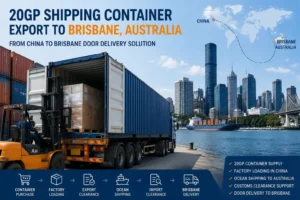
A comprehensive door-to-door service may include:
- Container purchase
- Depot release
- China factory pickup
- Cargo loading
- Export customs clearance
- Ocean freight
- ISF coordination
- U.S. customs clearance
- Duties and fees
- Port pickup
- Final delivery
DDP arrangements must be carefully reviewed to confirm who will act as the importer of record and which charges are included.
Common Mistakes to Avoid
Purchasing a Container Without Carrier Approval
A container may look suitable but still be rejected by the ocean carrier because of certification, age, structural condition or documentation issues.
Always confirm SOC acceptance before purchase.
Choosing the Cheapest Used Container
A very cheap container may have:
- Expired CSC certification
- Damaged corner castings
- Roof leakage
- Weak flooring
- Severe corrosion
- Chemical contamination
- Poor door operation
The cheapest unit may become more expensive if repairs, reinspection or replacement are required.
Ignoring Delivery-Site Access
A 40ft container requires sufficient road width, turning space, ground stability and overhead clearance.
Before booking final delivery, confirm:
- Road restrictions
- Gate width
- Turning radius
- Ground condition
- Crane or tilt-bed requirements
- Local permits
- Homeowner association rules
- Zoning requirements
Filing the ISF Too Late
ISF information should be prepared before the loading deadline. Waiting until the vessel has sailed may lead to penalties, holds or additional handling.
Underestimating Destination Charges
Ocean freight is only one part of the total cost.
Importers should also budget for customs clearance, port charges, chassis rental, drayage, storage, examination and unloading.
Failing to Separate Container and Cargo Values
The purchased container and the cargo inside it may require separate descriptions, values and customs classifications.
Discuss the declaration structure with the U.S. customs broker before shipment.
Why Choose ONE BOX?
ONE BOX helps international buyers purchase shipping containers in China and coordinate the complete export process.
Our services can include:
- New and used container sourcing
- 20ft, 40ft and 40HQ container supply
- Container condition inspection
- CSC plate verification
- Depot release coordination
- Factory delivery in China
- Cargo loading support
- Container securing
- Export customs clearance
- SOC booking assistance
- Ocean freight to the United States
- U.S. customs clearance coordination
- Port pickup
- Door delivery
- Container storage-use planning
Whether you need one container for a private warehouse or multiple containers for a commercial project, ONE BOX can provide a solution based on your cargo, budget and destination.
Frequently Asked Questions
Can I buy a shipping container in China and keep it in the USA?
Yes. The container can be purchased as merchandise, shipped to the United States and retained for storage or other legal applications after customs clearance.
The importer should confirm customs classification, local zoning and delivery-site requirements.
Can I load my products inside the container before shipping?
Yes. The purchased container can be transported to a Chinese factory or warehouse for cargo loading before export.
The container must be suitable for international transport and accepted by the ocean carrier.
Is it cheaper to ship a loaded container than an empty one?
It can be more economical because the container carries commercial cargo during the same shipment.
However, the final saving depends on container price, SOC charges, ocean freight, customs duties, destination handling and inland delivery.
Should I buy a new or used container?
Choose a new or one-trip container when appearance, condition and long service life are priorities.
Choose a cargo-worthy used container when controlling the purchase cost is more important. Used units must be inspected before international transportation.
Do I need a CSC plate?
A container used in international transport normally needs appropriate safety approval and must satisfy the accepting carrier’s requirements.
The CSC plate should be checked before booking.
Do I need a customs broker in the United States?
Importers are not always legally required to hire a broker, but CBP recommends considering a licensed customs broker because formal customs entries can be complex.
Can ONE BOX deliver the container to my address?
Door delivery can be arranged to many commercial, industrial, agricultural and residential locations.
The final delivery method depends on the ZIP code, road access, local regulations and unloading requirements.
What happens if U.S. Customs examines the container?
CBP may select shipments for examination. The importer is generally responsible for examination-related handling and associated expenses.
A complete and accurate document package can help reduce avoidable delays, although it cannot guarantee that a shipment will not be inspected.
Request a Shipping Container Quotation
Are you planning to buy a shipping container in China and ship it to the United States?
Send ONE BOX the following information:
- Required container size
- New or used condition
- Cargo description
- Cargo weight and volume
- Chinese factory address
- U.S. destination port
- Final delivery ZIP code
- Expected shipping date
- Customs-clearance requirements
Our team can help you evaluate container availability, loading arrangements, ocean freight, U.S. customs clearance and final delivery.
Buy your container in China, load your cargo and ship everything to the USA through one coordinated solution.
Compliance note: Import rules, tariff classifications, trade remedies and carrier requirements may change. Importers should confirm current requirements with their customs broker, freight forwarder and relevant authorities before shipment.ipping Containers in China and Ship to USA