How Much Does a Shipping Container Cost?
If you are planning to buy a shipping container for storage, export loading, construction, farming, equipment protection, or personal use, one of the first questions is simple: how much does a shipping container cost?
The answer depends on several factors, including container size, condition, location, delivery distance, market supply, and whether you choose a used container or a new one-trip container. A container is not a fixed-price product like a small household item. It is part of the global logistics system, so its price can change with freight markets, port supply, steel costs, local demand, and transportation availability.
For most buyers, the most common options are 20ft shipping containers, 40ft shipping containers, and 40ft high cube containers. Each size has different advantages, and the best choice depends on your storage volume, cargo type, budget, and delivery location.
Average Shipping Container Price in 2026
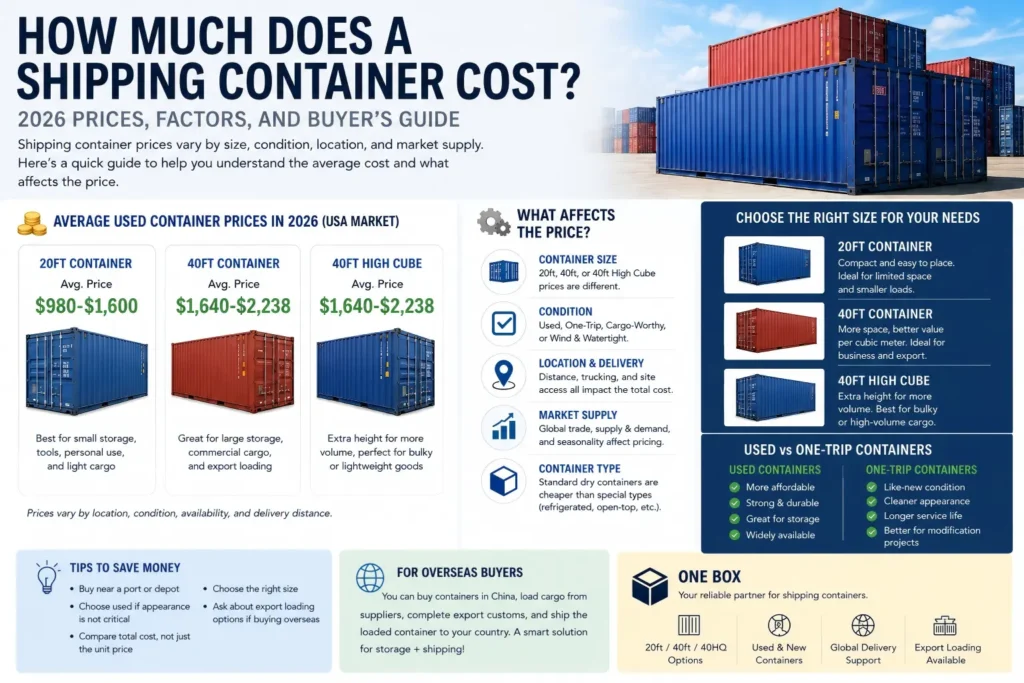
Shipping container prices vary by country, port, city, and market condition. In the U.S. market, recent container pricing data shows that used 20ft, 40ft, and 40ft high cube containers can range from lower-cost storage units to higher-priced cargo-worthy or one-trip containers. According to Eveon’s 2026 market information, used 20ft containers average around $980-1600, used 40ft containers average around $1640-2238, and used 40ft high cube containers average around $1640-2238, with final prices depending heavily on location and condition.
In general, buyers can expect:
| Container Type | Typical Use | General Price Level |
|---|---|---|
| 20ft Used Container | Small storage, tools, personal cargo | Lower cost |
| 40ft Used Container | Large storage, commercial cargo, export loading | Medium cost |
| 40ft High Cube Container | High-volume cargo, warehouse use, oversized goods | Medium to higher cost |
| One-Trip Container | Clean appearance, long-term use, export-quality projects | Higher cost |
| Refrigerated Container | Temperature-controlled cargo | Much higher cost |
Prices are not always the same from one city to another. A container near a busy port or major container depot may be cheaper because supply is stronger. A container delivered to an inland or remote area may cost more because trucking and positioning costs are higher.
What Affects the Cost of a Shipping Container?
1. Container Size
Size is one of the biggest factors affecting price. The most common container sizes are:
20ft Shipping Container
A 20ft container is compact, easy to place, and suitable for small storage, tools, machinery parts, household goods, farm supplies, or export cargo with limited volume.
40ft Shipping Container
A 40ft container offers more internal space and is often more cost-effective per cubic meter. It is commonly used for commercial storage, international shipping, construction materials, and warehouse solutions.
40ft High Cube Container
A 40ft high cube container, also called 40HQ or 40HC, has extra height compared with a standard 40ft container. It is ideal for furniture, tall equipment, bulky cargo, lightweight goods, and storage projects requiring more vertical space.
2. New vs Used Container
Container condition has a major impact on price.
Used Shipping Containers
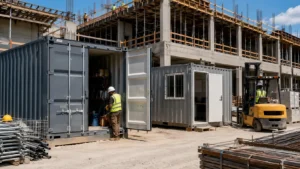
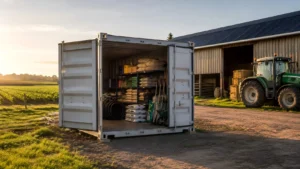
Used containers are usually more affordable and are popular for storage, export loading, construction sites, farms, workshops, and warehouse use. They may have dents, scratches, faded paint, surface rust, or repaired areas, but many are still wind and watertight.
For buyers who want a practical and cost-effective solution, a used container is often the best choice.
One-Trip Shipping Containers
A one-trip container is usually manufactured overseas, used once for cargo transport, and then sold. It is cleaner, newer, and has less wear. One-trip containers cost more, but they are suitable for buyers who need better appearance, long service life, or container modification projects.
Cargo-Worthy Containers
Cargo-worthy containers are inspected and suitable for international shipping. If you plan to load cargo and export the container, this condition level may be required.
Wind and Watertight Containers
Wind and watertight containers are commonly used for storage. They protect goods from rain and wind but may not always be certified for international shipping.
3. Location and Delivery Cost
The container price itself is only one part of the total cost. Delivery can significantly affect the final price.
A container located near a major port, depot, or logistics center is usually easier and cheaper to purchase. If the container must be delivered to a remote farm, mountain area, construction site, or inland warehouse, trucking costs may increase.
Factors that affect delivery cost include:
- Distance from container depot to delivery site
- Truck type required
- Road access condition
- Crane or tilt-bed truck availability
- Local fuel cost
- Whether the site has enough space for unloading
Before buying, always ask for the container price plus delivery cost. A low container price may not be the best deal if the delivery fee is too high.
4. Market Supply and Demand
Shipping containers are part of global trade. Their prices can rise or fall depending on supply chain conditions.
When international trade is active, more containers move through ports and more used containers become available. When trade slows, container supply may tighten. Shipping disruptions, port congestion, labor strikes, tariff changes, fuel prices, and global events can all affect container availability.
This is why container prices may change from month to month. Buyers who compare prices early and purchase at the right time can often save money.
5. Container Type and Special Design
Standard dry containers are usually the most affordable. Special container types cost more because they require additional structure, equipment, or manufacturing.
Examples include:
- Refrigerated containers
- Open-top containers
- Flat rack containers
- Side opening containers
- Double door containers
- Tunnel containers
- Customized storage containers
- Container offices or container houses
If your cargo only requires normal dry storage, a standard 20ft, 40ft, or 40HQ container is usually the most economical option.
20ft vs 40ft vs 40HQ: Which Container Should You Buy?
Choose a 20ft Container If:
A 20ft container is a good choice when you have limited space or smaller cargo volume. It is easier to place in yards, farms, construction sites, residential areas, or small warehouses.
Best for:
- Tools and equipment
- Small warehouse storage
- Farm supplies
- Personal storage
- Heavy cargo with limited volume
- Export cargo under limited space
Choose a 40ft Container If:
A 40ft container offers more storage capacity and better value per cubic meter. It is suitable for businesses that need larger storage or export loading.
Best for:
- Commercial inventory
- Building materials
- Large equipment
- Export cargo
- Industrial storage
- Temporary warehouse use
Choose a 40ft High Cube Container If:
A 40HQ container is the best option when you need more height and volume. It is especially useful for lightweight but bulky goods.
Best for:
- Furniture
- Aluminum fences and gates
- Machinery
- E-commerce goods
- Household relocation
- Large-volume storage
- Container modification projects
Is It Better to Buy a Used Shipping Container?
For many buyers, yes. A used shipping container can offer excellent value, especially when the main purpose is storage, export loading, or warehouse use.
Used containers are popular because they are:
- More affordable than new containers
- Strong and durable
- Suitable for outdoor storage
- Available in 20ft, 40ft, and 40HQ sizes
- Easy to transport and relocate
- Ideal for farms, construction sites, factories, and exporters
However, buyers should check the container carefully before purchase. Important inspection points include door seals, floor condition, roof leakage, rust level, corner posts, locking rods, and overall structural strength.
How to Save Money When Buying a Shipping Container
1. Buy Near a Port or Depot
If possible, buy a container near a major port or container depot. This can reduce trucking costs and increase your chance of finding more available units.
2. Choose Used Instead of One-Trip
If appearance is not your top priority, a used wind and watertight container can be a smart and economical choice.
3. Compare Total Cost, Not Only Unit Price
Always calculate:
Container price + delivery cost + lifting/unloading cost + inspection/certification cost
The lowest unit price is not always the lowest final cost.
4. Choose the Right Size
Do not buy a container that is too small or too large. A 20ft container is cheaper, but if you need more volume, a 40ft or 40HQ container may be more cost-effective.
5. Ask About Export Loading Options
If your goods are in China and you are buying a container for export, it may be possible to purchase the container, arrange factory loading, complete customs declaration, and ship it directly to your destination.
This is especially useful for foreign buyers who want to buy containers in China and load cargo together for export.
Shipping Container Cost for Export Buyers
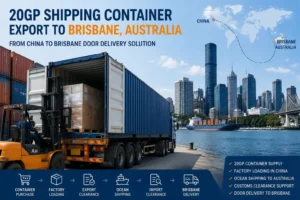
For overseas buyers, the total cost may include more than the container itself. If you purchase a container in China and use it to load cargo for export, the cost may include:
- Container purchase
- Trucking to supplier factory
- Loading arrangement
- Export customs declaration
- Ocean freight booking
- Port charges
- Destination customs clearance
- Delivery to final address
This solution is useful when the buyer wants to use the container not only for shipping, but also as a storage unit after arrival.
For example, an overseas consignee may buy a used 20GP or 40HQ container in China, load goods from suppliers in Qingdao, Shanghai, Shenzhen, Ningbo, Guangzhou, or Tianjin, and then ship the loaded container to the United States, Canada, Australia, New Zealand, or Europe.
Why Choose ONE BOX for Shipping Containers?
ONE BOX helps customers source practical and cost-effective shipping containers for storage, export loading, warehouse use, and international transportation.
ONE BOX Advantages
- Used and new shipping containers available
- 20ft, 40ft, and 40HQ options
- Suitable for storage, export, cargo loading, and modification
- Support for overseas buyers purchasing containers in China
- Factory loading and port delivery coordination
- Flexible solutions for USA, Canada, Australia, New Zealand, and Europe
- Container + cargo export arrangement available
Whether you need a low-cost used container for storage or a 40HQ container for international cargo shipping, ONE BOX can help you choose the right container according to your budget, location, and project needs.
Frequently Asked Questions
How much does a 20ft shipping container cost?
A used 20ft shipping container is usually one of the most affordable options. The final price depends on location, condition, delivery distance, and market supply.
How much does a 40ft shipping container cost?
A used 40ft container normally costs more than a 20ft container, but it offers much more storage space. It is often more cost-effective for large-volume storage or export cargo.
Is a 40ft high cube container worth it?
Yes, if you need more internal height and loading volume. A 40HQ container is especially useful for bulky cargo, furniture, machinery, and warehouse storage.
Are used shipping containers waterproof?
Many used containers sold for storage are wind and watertight, meaning they can protect goods from rain and wind. Buyers should still inspect the roof, door seals, and floor before purchase.
Why do container prices change by city?
Prices change because container supply, trucking distance, depot availability, local demand, and port access are different in every city.
Should I buy a new or used shipping container?
If you need a clean appearance and longer service life, choose a one-trip container. If you want a lower-cost storage or export solution, a used container is usually more economical.
Conclusion
The cost of a shipping container depends on size, condition, location, delivery cost, container type, and market supply. A 20ft container is a practical choice for smaller storage needs, while a 40ft or 40HQ container offers better capacity for commercial storage, export cargo, and warehouse use.
For most buyers, a used shipping container provides the best balance of durability, price, and function. Before purchasing, compare the total cost, inspect the container condition, and choose a supplier that can support delivery, loading, and export arrangements.
If you are looking for a reliable 20ft, 40ft, or 40HQ shipping container for storage, export, or business use, ONE BOX can help you find the right container solution at a competitive price.