Is It Cheaper to Build a Shed or Buy a Shipping Container?
When you need extra storage space for tools, equipment, household items, farm supplies, business inventory, or workshop use, two options usually come to mind: build a shed or buy a shipping container.
At first, a wooden shed may look like the cheaper choice. But once you calculate the real cost of materials, labor, foundation, permits, maintenance, weather protection, and long-term durability, a shipping container often becomes the smarter investment.
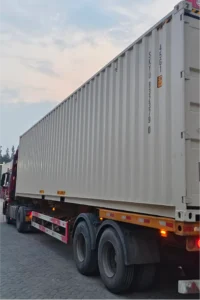
A standard shipping container is already built, weather-resistant, lockable, movable, and ready to use. Instead of spending weeks building a structure from the ground up, you can place a container on your property and start using it almost immediately.
So, is it cheaper to build a shed or buy a shipping container? In many cases, buying a shipping container is cheaper, faster, stronger, and more practical than building a traditional shed, especially when long-term value is considered.
Quick Comparison: Shed vs Shipping Container
| Item | Traditional Shed | Shipping Container |
|---|---|---|
| Upfront Cost | Often high after materials, labor, and foundation | Usually lower for used containers |
| Installation Time | Days to weeks, sometimes longer | Delivered ready to use |
| Foundation | Often needs concrete slab or prepared base | Can sit on blocks, gravel, or concrete pads |
| Durability | Wood can rot, warp, or suffer termite damage | Steel structure, built for heavy-duty transport |
| Weather Resistance | Depends on roofing, siding, sealing, and maintenance | Designed to resist harsh outdoor conditions |
| Security | Usually requires extra locks and reinforcement | Strong steel doors and lock box options |
| Maintenance | Painting, roof repair, pest control, wood repair | Basic inspection, paint touch-up, ventilation |
| Mobility | Usually fixed in place | Can be moved, resold, or repurposed |
| Lifespan | Commonly shorter with regular maintenance | Long service life when properly placed and maintained |
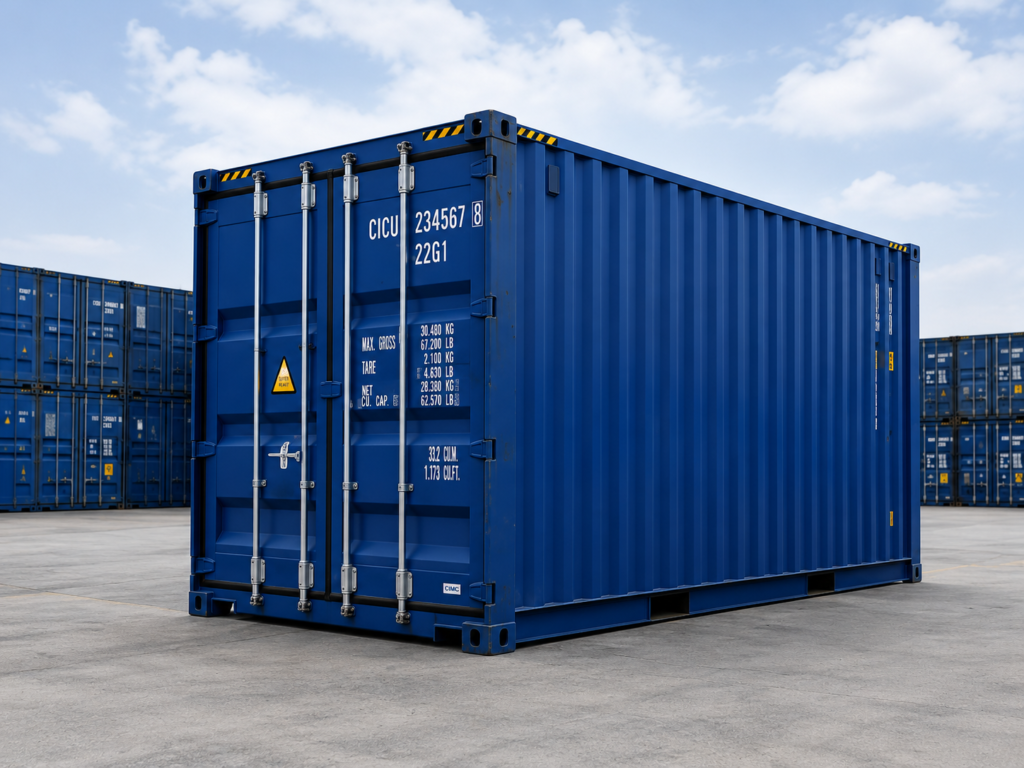
A source comparison notes that a 20ft container provides about 160 sq ft, while a 40ft container provides about 320 sq ft of usable space; it also compares shed construction timelines of 4–12 weeks with containers being delivered complete and ready for use.
1. Upfront Cost: Which Option Costs Less?
The first question most buyers ask is simple: Which one is cheaper?
A basic shed may seem affordable if you only look at lumber and roofing materials. However, the real cost usually includes:
- Wood framing
- Wall panels or siding
- Roofing materials
- Flooring
- Doors and hardware
- Labor
- Concrete slab or base preparation
- Permits where required
- Painting or weatherproofing
- Security upgrades
By contrast, a shipping container is already a complete structure. You are not paying to build walls, install a roof, frame a door, or weatherproof the exterior. The container arrives as a finished steel unit.
For many buyers, especially those looking for storage instead of decorative garden space, a used shipping container can offer a lower total cost than building a shed from scratch.
2. Foundation Cost: A Hidden Expense of Building a Shed
One of the biggest hidden costs of a shed is the foundation.
Many larger sheds require a concrete slab or properly prepared base. A concrete foundation can significantly increase the total project cost before construction even begins. It also adds extra time because the concrete needs to be formed, poured, finished, and cured.
A shipping container usually does not require a full concrete slab for basic storage use. Many customers place containers on:
- Concrete blocks
- Railroad ties
- Gravel pads
- Steel supports
- Concrete footings
- Flat compacted ground with proper drainage
For long-term use, ONE BOX recommends keeping the container slightly elevated so air can circulate under the floor and water can drain away from the base. This helps extend the service life of the container and reduces the risk of corrosion.
3. Construction Time: Containers Save Weeks
Building a shed takes time. Even a small shed may require planning, material delivery, site preparation, and labor. A larger shed can take several weeks depending on weather, contractor schedules, permit approvals, and foundation work.
A shipping container is different. It is already built.
Once the delivery is arranged, the container can be placed directly on your site. For customers who need fast storage, this is a major advantage.
A shipping container is ideal when you need to store:
- Construction tools
- Farm equipment
- Furniture
- Machinery parts
- E-commerce inventory
- Household goods
- Seasonal products
- Workshop materials
- Building supplies
- Export cargo
Instead of waiting for a shed to be built, you can start using your container as soon as it arrives.
4. Durability: Steel Container vs Wood Shed
A wood shed can work well in mild conditions, but it needs regular care. Wood is vulnerable to moisture, termites, mold, warping, cracking, and roof damage.
A shipping container is made from heavy-duty steel and designed for international cargo transportation. Containers are built to handle stacking, lifting, vibration, rain, wind, and long-distance shipping environments.
That makes them extremely suitable for ground storage, especially in harsh outdoor conditions.
A used shipping container may already have dents, scratches, or surface rust, but its basic structure is much stronger than a typical wooden shed. With basic maintenance, it can serve as a reliable storage unit for many years.
5. Security: Containers Are Much Harder to Break Into
If security matters, a shipping container has a clear advantage.
Most sheds use lightweight doors, hinges, and locks. These can often be forced open unless upgraded with additional hardware.
A shipping container has strong double cargo doors, steel locking rods, and optional lock boxes. For tools, machinery, commercial goods, and valuable inventory, this makes a container a better choice.
A container can also be upgraded with:
- Lock box
- Roll-up door
- Side access door
- Ventilation
- Lighting
- Insulation
- Shelving
- Ramps
- Windows
- Electrical system
- Partition walls
This flexibility allows buyers to use one container for simple storage or convert it into a more advanced workspace.
6. Weather Resistance: Better Protection for Your Goods
A shipping container is designed to protect cargo from weather during ocean transport. For storage use, this means strong protection against rain, wind, dust, and outdoor exposure.
A wooden shed depends heavily on the quality of its roof, siding, flashing, paint, and sealing. Over time, leaks can appear around the roof, doors, windows, and lower wall sections.
A good shipping container is usually wind and watertight, making it an excellent choice for outdoor storage.
For best performance, ONE BOX recommends checking:
- Door rubber seals
- Roof condition
- Floor condition
- Ventilation
- Drainage around the container
- Paint coating and surface rust spots
With simple care, a container can remain a strong and reliable storage solution for long-term use.
7. Maintenance Cost: Containers Are Easier to Own
A shed usually needs regular maintenance. Depending on the material and climate, you may need to repaint it, replace roof shingles, repair wood panels, treat pests, fix leaks, or replace doors and hardware.
A shipping container requires much less maintenance.
Basic maintenance usually includes:
- Keeping the roof clean
- Touching up scratches
- Checking door seals
- Lubricating door hinges
- Keeping the base dry and well-drained
- Adding vents if condensation is a concern
This makes the total ownership cost of a container much lower over time.
8. Flexibility: A Container Can Move With You
A traditional shed is usually fixed in one place. Once built, it becomes part of the property. If your needs change, moving it can be difficult or impossible.
A shipping container can be relocated, resold, modified, or transported with cargo.
This is especially useful for:
- Construction companies
- Farms
- Warehouses
- Exporters
- Homeowners
- Retail businesses
- Equipment rental companies
- Temporary project sites
- International buyers purchasing cargo in China
A container is not just storage. It is a flexible asset.
9. Can a Shipping Container Be Used as a Shed?
Yes. A shipping container can be used as a shed, storage room, workshop, tool room, farm storage unit, garage alternative, or temporary warehouse.
Many customers choose a 20ft container when they need compact storage and a 40ft or 40HQ container when they need larger capacity.
Common container options include:
| Container Type | Best For |
|---|---|
| 20ft Shipping Container | Tools, household storage, small business inventory |
| 40ft Shipping Container | Larger equipment, furniture, commercial storage |
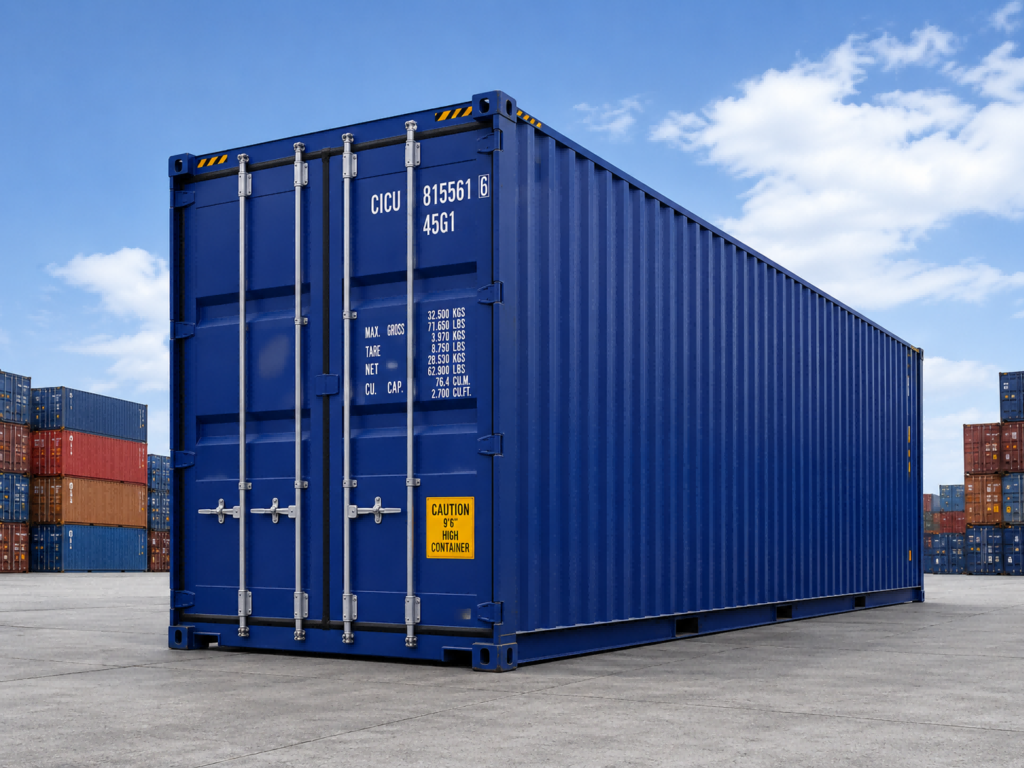
| 40ft High Cube Container | Bulky goods, taller items, warehouse storage |
| Used Shipping Container | Budget-friendly storage and workshop use |
| One-Trip Container | Cleaner appearance, newer condition, long-term projects |
| Side Opening Container | Easy loading of wide or oversized goods |
10. When Is a Shed Still a Good Choice?
A shed can still be a good option if appearance is your top priority and you want a structure that matches your home, garden, or backyard design.
A shed may be suitable for:
- Small garden tools
- Decorative backyard use
- HOA-controlled communities
- Very small storage needs
- Areas where containers are restricted
- Projects requiring a custom exterior style
However, if your main goals are cost, strength, speed, security, and long-term storage value, a shipping container is usually the more practical solution.
11. Best Choice for Storage: 20ft or 40ft Container?
Choosing the right container depends on your available space and storage needs.
20ft Shipping Container
A 20ft container is a great option for homeowners, small farms, and businesses that need secure storage without taking up too much space.
Typical uses:
- Tools
- Garden equipment
- Motorcycles
- Spare parts
- Furniture
- Construction materials
- Small warehouse storage
40ft Shipping Container
A 40ft container offers much more capacity and is better for commercial or large household storage.
Typical uses:
- Bulk goods
- Large equipment
- Export cargo
- Building materials
- Farm supplies
- Workshop setup
- Inventory storage
40ft High Cube Container
A 40HQ container provides extra height, making it ideal for oversized goods or customers who want more vertical storage space.
Typical uses:
- Tall furniture
- Machinery
- Palletized goods
- Commercial stock
- Home renovation materials
- Export loading and storage
12. Why Choose ONE BOX Shipping Containers?
ONE BOX provides practical container solutions for customers who need durable, secure, and cost-effective storage.
We can supply different container types, including:
- 20ft shipping containers
- 40ft shipping containers
- 40ft high cube containers
- Used shipping containers
- One-trip containers
- Side opening containers
- Modified containers
- Storage containers for export loading
ONE BOX has container supply resources in major locations such as Dalian, Tianjin, Qingdao, Shanghai, Shenzhen, Thailand, Vietnam, and Cambodia, helping customers arrange container purchase, loading, and export solutions more efficiently.
Our containers have been used by customers in the United States, Canada, Australia, New Zealand, Europe, and other global markets for storage, shipping, warehouse, project, and home-use applications.
13. Final Answer: Is It Cheaper to Build a Shed or Buy a Shipping Container?
For most buyers, buying a shipping container is cheaper than building a shed when total cost is considered.
A shed may require materials, labor, roofing, foundation, permits, maintenance, and future repairs. A shipping container arrives as a complete steel structure that is secure, weather-resistant, movable, and ready to use.
Choose a shipping container if you want:
- Lower total cost
- Faster installation
- Strong steel construction
- Better security
- Long service life
- Lower maintenance
- Flexible relocation
- Better value for storage and business use
For homeowners, farmers, builders, exporters, and businesses, a shipping container is more than a storage box. It is a durable and practical long-term asset.
FAQ
Is a shipping container cheaper than a shed?
In many cases, yes. A shipping container can be cheaper than building a shed once you include labor, foundation, roofing, maintenance, and permit-related costs.
Can I use a shipping container as a backyard shed?
Yes. A 20ft or 40ft shipping container can be used as a backyard shed, tool room, workshop, storage unit, or small warehouse.
Does a shipping container need a concrete foundation?
Not always. For storage use, many containers can be placed on concrete blocks, gravel pads, or other stable supports. The key is to keep the container level and allow water to drain away from the base.
Which lasts longer, a shed or a shipping container?
A shipping container usually lasts longer because it is made from heavy-duty steel. Wood sheds are more vulnerable to rot, termites, leaks, and weather damage.
Is a 20ft container big enough for storage?
Yes. A 20ft container is suitable for tools, household goods, garden equipment, furniture, and small business inventory. For larger storage needs, a 40ft or 40ft high cube container may be better.
Can ONE BOX help with container purchase and export loading?
Yes. ONE BOX can help customers purchase suitable containers and arrange loading solutions, especially when goods are located near major ports in China or Southeast Asia.
Suggested CTA
Looking for a cheaper and stronger alternative to a traditional shed?
Contact ONE BOX today to choose a 20ft, 40ft, or 40HQ shipping container for storage, export loading, warehouse use, or long-term property storage.
Website: www.oneboxcont.com