Shipping Container Door Maintenance Guide: How to Keep Your Container Doors Working Smoothly
Shipping container doors are one of the most important parts of any container. Whether you use a container for export cargo, warehouse storage, farm equipment, construction tools, machinery parts, or backyard storage, the door system directly affects security, weather protection, and daily usability.
At ONE BOX, we supply new and used shipping containers for storage, export, and customized container projects. One of the most common questions buyers ask is: “Why are shipping container doors sometimes hard to open?”
The answer is usually related to ground level, rust, lack of lubrication, door seals, or frame alignment. With proper inspection and simple maintenance, container doors can remain smooth, safe, and reliable for many years.
This guide explains how shipping container doors work, why they become difficult to operate, and how to maintain them correctly.
What Are Shipping Container Doors Made Of?
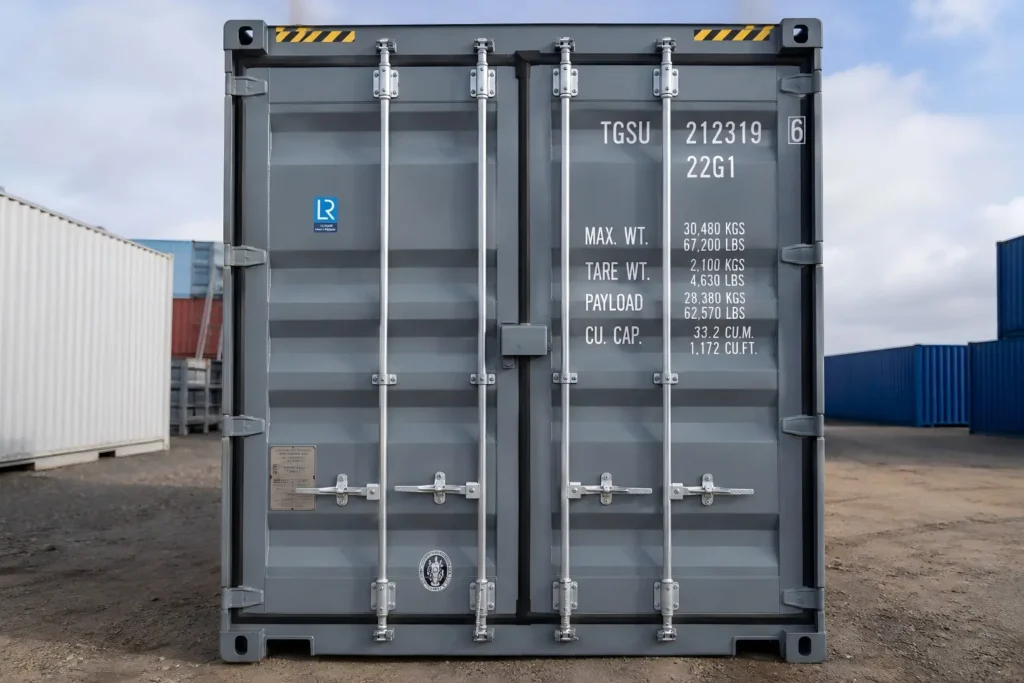
Most standard shipping containers are equipped with double cargo doors at one end. These doors are designed for harsh transportation conditions, including sea freight, rain, wind, humidity, loading impact, and long-term outdoor storage.
A typical shipping container door includes several key parts:
1. Corrugated Steel Door Panels
Container doors are made from strong corrugated steel. The corrugated structure increases strength and helps the door resist bending, impact, and heavy use during shipping or storage.
2. Heavy-Duty Hinges
Container doors are much heavier than ordinary building doors. Heavy-duty hinges allow the doors to swing outward while supporting the weight of the steel panels.
3. Vertical Locking Bars
Each door usually has vertical locking bars. These bars rotate when opening or closing the container and lock into the top and bottom keepers on the container frame.
4. Locking Handles
The locking handles are connected to the vertical locking bars. When the handles are turned, the locking bars rotate and release the door from the frame.
5. Cam Keepers
Cam keepers are the metal locking points located at the top and bottom of the door frame. They hold the locking bars in place when the container is closed.
6. Rubber Door Gaskets
Rubber gaskets create a tight seal between the door and the container frame. Good-quality rubber seals help keep the container windproof, watertight, dustproof, and more secure for storage.
Why Are Shipping Container Doors Hard to Open?
A hard-to-open container door does not always mean the container is damaged. In many cases, the problem is caused by placement, lack of maintenance, or natural wear after years of use.
1. The Container Is Not Level
This is one of the most common reasons.
If a shipping container is placed on uneven ground, the container frame may twist slightly. Even a small twist can affect door alignment. When the locking bars no longer line up correctly with the cam keepers, the doors become difficult to open or close.
For storage use, the container should be placed on a flat and stable surface such as:
- Concrete foundation
- Asphalt ground
- Compacted gravel
- Steel beams
- Railway sleepers
- Concrete blocks under corner castings
A level container is easier to open, safer to use, and better for long-term storage.
2. Hinges and Locking Bars Need Lubrication
Container doors have many moving metal parts. Hinges, locking bars, handles, and cam keepers all need lubrication.
Without lubricant, metal parts can become dry, stiff, noisy, and difficult to operate. This is especially common for used shipping containers stored outdoors.
Recommended lubrication points include:
- Door hinges
- Locking bar brackets
- Handle joints
- Top cam keepers
- Bottom cam keepers
- Locking bar contact points
For regular maintenance, use anti-rust lubricant, grease, or a suitable metal lubricant.
3. Rust Around the Door Hardware
Shipping containers are built for tough environments, but rust can still appear over time, especially around hinges, door frames, locking bars, and bottom rails.
Rust increases friction and may stop the door from opening smoothly. If rust is ignored for too long, it can damage the door hardware and reduce the life of the container.
Light rust should be removed early with a wire brush, sandpaper, or rust treatment product. After cleaning, repaint exposed steel areas with anti-rust primer and container-grade paint.
4. Dirt, Mud, or Stones Around the Door Frame
For storage containers placed on farms, construction sites, or outdoor yards, dirt and debris can build up around the bottom door frame.
Common problems include:
- Mud blocking the door threshold
- Small stones stuck near the bottom frame
- Leaves and dust around the locking points
- Sand or soil around the door gasket
Cleaning the door area regularly can prevent many door operation problems.
5. Damaged Rubber Door Seals
The rubber gasket is important for weather protection. Over time, door seals may become cracked, hard, loose, or missing in some sections.
If the rubber seal is damaged, the container may no longer be fully wind and watertight. It may also become harder to close because the seal no longer compresses properly.
When buying a used shipping container, always inspect the rubber gaskets carefully.
How to Open Shipping Container Doors Correctly
Opening container doors the correct way helps prevent damage and makes operation safer.
Follow these steps:
- Remove the padlock, lockbox lock, or container seal.
- Open the right-hand door first.
- Lift the locking handles.
- Rotate the locking bars outward.
- Pull the right door open slowly.
- Open the left-hand door after the right door is fully released.
- Secure both doors if there is wind.
Do not force the door with excessive pressure. If the door does not open, check whether the container is level, whether the locking bars are stuck, or whether the hinges need lubrication.
Shipping Container Door Maintenance Checklist
Regular maintenance can make a big difference, especially if the container is used for long-term storage.
Check the Container Level
Before repairing the door, check whether the container is sitting level. If one corner is lower than the others, the frame may twist and cause door alignment problems.
Support the container evenly, especially at the four corner castings.
Lubricate Moving Parts
Apply lubricant to all moving metal parts, including hinges, locking bars, handles, and cam keepers.
For containers used outdoors, lubrication should be done every few months, especially after heavy rain, snow, or long periods without use.
Clean the Door Frame
Keep the bottom door frame clean. Remove mud, stones, leaves, dust, and other debris.
A clean door frame helps the doors close properly and reduces damage to the rubber gasket.
Inspect Rubber Gaskets
Check the rubber seal around the door. Look for:
- Cracks
- Missing sections
- Loose rubber
- Hard or brittle areas
- Gaps when the door is closed
If the gasket is badly damaged, replacing it is the best solution.
Remove Rust Early
Small rust spots are easier to repair than large corrosion areas. Clean the rust, apply anti-rust treatment, and repaint the area.
This is especially important for used containers, coastal areas, and humid climates.
Open and Close the Doors Regularly
If a storage container stays closed for a long time, the doors may become stiff. Open and close the doors occasionally to keep the moving parts active and to check for early problems.
How to Prevent Water Leakage Around Container Doors
A good shipping container should protect cargo from rain, wind, and dust. If water enters near the doors, the problem is usually related to the door seals, frame alignment, or damaged hardware.
To reduce leakage risk:
- Keep the container level
- Make sure both doors close completely
- Inspect the rubber gasket
- Clean the door threshold
- Repair rust around the door frame
- Replace damaged seals
- Avoid forklift impact on the doors
- Check the roof and corner areas for holes
For storage use, choosing a wind and watertight container is very important. ONE BOX can help buyers select containers suitable for storage, export, and long-term outdoor use.
Used Shipping Container Door Inspection Before Buying
When buying a used container, the doors should always be inspected carefully. A used container does not need to look brand new, but the doors must be functional, lockable, and able to close properly.
Before buying, check:
| Inspection Item | What to Check |
|---|---|
| Door Opening | Both doors should open and close |
| Locking Bars | Bars should rotate smoothly |
| Hinges | No serious rust or breakage |
| Rubber Seals | No major cracks or missing sections |
| Door Frame | No serious bending or deformation |
| Locking Handles | Handles should move correctly |
| Water Protection | Doors should close tightly |
| Container Level | Check door function on level ground |
If the door is difficult to open during inspection, first check whether the container is placed on uneven ground. Sometimes the door problem is caused by poor placement, not by the container itself.
Common Container Door Problems and Solutions
Problem: Container door is hard to open
Possible causes:
Uneven ground, dry hinges, rusty locking bars, or frame twisting.
Solution:
Level the container, lubricate the hinges and locking bars, and clean the locking points.
Problem: Door will not close completely
Possible causes:
Debris at the bottom frame, damaged gasket, or door misalignment.
Solution:
Clean the threshold, check the container level, and inspect the rubber seal.
Problem: Water leaks through the door
Possible causes:
Damaged rubber gasket, poor door alignment, or rust damage.
Solution:
Replace the gasket, adjust the container support, and repair rusted areas.
Problem: Locking handle is stuck
Possible causes:
Rust, dirt, or lack of lubrication.
Solution:
Apply lubricant and gently move the handle back and forth. Do not use excessive force.
Problem: Door makes noise when opening
Possible causes:
Dry hinges or worn contact points.
Solution:
Lubricate the hinges and locking bars.
Why Door Maintenance Is Important for Storage Containers
For storage use, the container door is used more often than many people expect. A smooth and secure door system improves daily operation and protects the goods inside.
Good door maintenance helps improve:
- Security
- Weather protection
- Cargo safety
- Daily access
- Container lifespan
- Resale value
- Long-term storage performance
For businesses, a stuck container door can delay loading and unloading. For homeowners, a hard-to-open door can make storage inconvenient. Simple maintenance can prevent these problems.
Choose the Right Container from ONE BOX
At ONE BOX, we supply practical and cost-effective shipping container solutions for storage, export, and customized projects.
Our container options include:
- 20ft used shipping containers
- 40ft used shipping containers
- 40ft high cube containers
- New one-trip containers
- Storage containers
- Export cargo containers
- Customized container solutions
Whether you need a container for warehouse storage, international cargo, equipment storage, or commercial use, ONE BOX can help you choose the right container based on your project needs.
A good container should not only have strong steel panels and a solid floor, but also doors that close securely and protect your goods from weather damage.
Shipping container doors are strong, secure, and built for heavy-duty use, but they still need regular maintenance. Most door problems are caused by uneven placement, rust, dirt, dry hinges, damaged seals, or poor alignment.
By keeping the container level, lubricating the moving parts, cleaning the door frame, inspecting rubber gaskets, and repairing rust early, you can keep your container doors working smoothly for many years.
For storage, export, or long-term outdoor use, door condition is one of the most important things to check before buying a container.
Looking for a reliable shipping container?
Contact ONE BOX today to find the right 20ft, 40ft, or 40ft high cube container for your storage or shipping project.
FAQ
Why are shipping container doors hard to open?
The most common reasons are uneven ground, rust, dry hinges, dirt around the door frame, or misaligned locking bars.
Which shipping container door opens first?
On most standard containers, the right-hand door opens first, followed by the left-hand door.
How often should I lubricate container doors?
For outdoor storage containers, lubricate the hinges, locking bars, handles, and cam keepers every few months.
Can shipping container door seals be replaced?
Yes. Rubber door gaskets can be replaced if they are cracked, missing, loose, or no longer sealing properly.
Are shipping container doors waterproof?
A good wind and watertight container with proper door alignment and intact rubber seals should protect cargo from rain and weather.
What should I check before buying a used container?
Check the doors, hinges, locking bars, rubber seals, floor, roof, side panels, and overall container condition.