What Is a Shipping Container Floor Made Of?
When buying a shipping container, many customers first check the exterior condition, paint, doors, rust, and overall appearance. However, one of the most important parts of a container is often overlooked — the container floor.
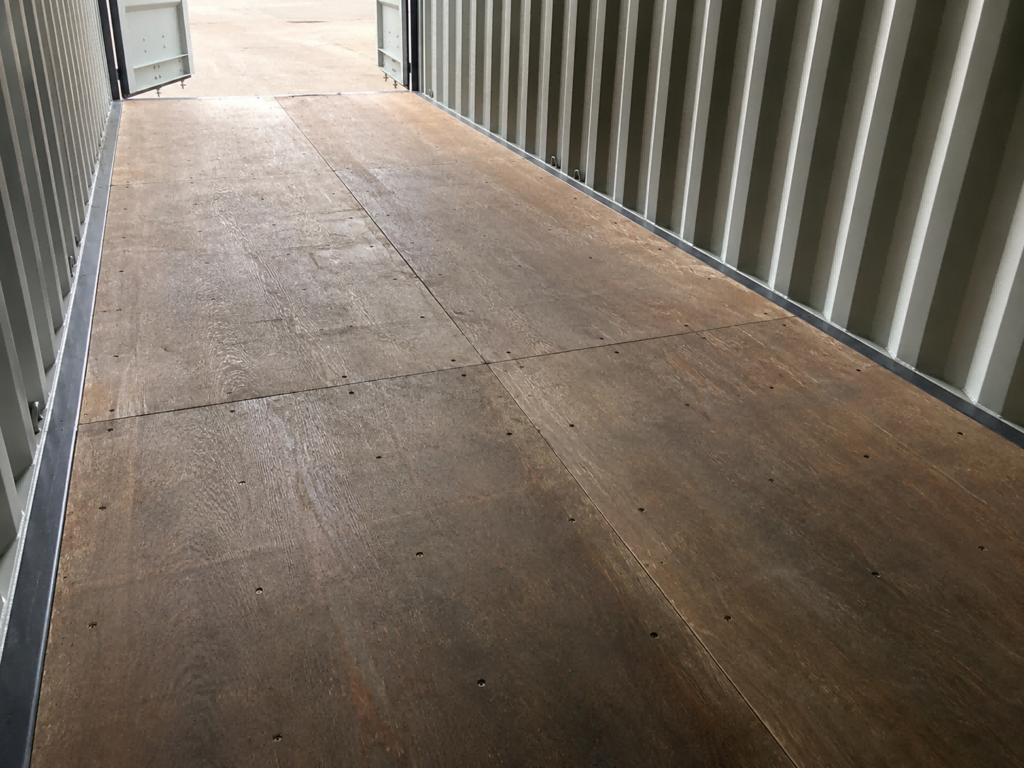
In most standard dry shipping containers, the floor is usually not made from solid steel or ordinary wood. Instead, it is commonly made from high-strength marine-grade plywood, hardwood plywood, bamboo-composite flooring, or similar engineered flooring panels installed over a strong steel understructure.
The floor must support heavy cargo, forklift operation, pallet loading, long-distance ocean transport, warehouse storage, and export use. For buyers of used 20ft containers, 40ft containers, 40HQ containers, or storage containers, understanding the floor material is very important because the floor condition directly affects container strength, safety, durability, and maintenance cost.
Quick Answer: What Materials Are Used in Shipping Container Floors?
Most standard dry container floors are made with the following structure:
| Part | Common Material | Function |
|---|---|---|
| Floor Surface | Marine plywood, hardwood plywood, bamboo-composite board | Supports cargo and forklift operation |
| Understructure | Corten steel cross members and bottom side rails | Provides structural strength and load support |
| Fasteners | Screws, bolts, sealant | Secures the floor panels and helps prevent water entry |
| Surface Treatment | Waterproof glue, anti-insect treatment, anti-corrosion protection | Improves durability and international shipping compliance |
In simple terms, a shipping container floor is usually a combination of wood or bamboo flooring panels supported by a steel frame.
Why Are Shipping Container Floors Not Made from Ordinary Wood?
Shipping containers are exposed to harsh conditions, including sea moisture, port handling, forklift traffic, heavy cargo, temperature changes, and long-term outdoor storage. Ordinary wood would easily crack, absorb moisture, rot, deform, or lose strength.
That is why container manufacturers use stronger and more durable engineered flooring materials, such as:
- Marine-grade plywood
- Apitong / Keruing hardwood plywood
- Bamboo-composite flooring
- Waterproof plywood
- Steel flooring for special containers
- Aluminum T-flooring for refrigerated containers
These materials are selected because they offer better strength, wear resistance, moisture resistance, and long-term performance for cargo transportation and storage.
Common Types of Shipping Container Floor Materials
1. Marine-Grade Plywood Flooring
Marine-grade plywood is one of the most common floor materials used in standard dry shipping containers. It is made by bonding multiple layers of hardwood veneer together with waterproof adhesive.
The benefits of marine plywood include:
- Good load-bearing capacity
- Strong wear resistance
- Stable structure
- Suitable for palletized cargo
- Suitable for furniture, building materials, machinery, and general goods
- Easier to repair or replace compared with steel flooring
For standard 20GP, 40GP, and 40HQ dry containers, marine plywood flooring is a very common option. Even after years of shipping use, a used container floor can still be suitable for storage or export loading if it has no serious rot, holes, soft spots, or major damage.
2. Apitong / Keruing Hardwood Plywood
Apitong and Keruing are common tropical hardwood materials used in the container industry. They are known for high density, strength, and wear resistance.
This type of flooring is suitable for:
- Heavy cargo
- Pallet loading
- Frequent forklift operation
- Long-term storage
- Export container loading
Apitong or Keruing hardwood flooring is hard, durable, and strong enough for demanding cargo use. However, when buying a used shipping container, the floor should still be carefully checked for oil stains, cracks, rot, soft spots, or chemical contamination.
3. Bamboo-Composite Container Flooring
In recent years, bamboo-composite flooring has become more common in the shipping container industry. Bamboo grows faster than traditional tropical hardwood, making it a more sustainable alternative.
The advantages of bamboo-composite flooring include:
- More eco-friendly material source
- High strength
- Stable density
- Good wear resistance
- Can replace some traditional hardwood materials
For newly manufactured containers, bamboo flooring is becoming a popular option. If the container floor has a dark color, uniform texture, and hard surface, it may be bamboo or bamboo-composite flooring.
4. Steel Floor Containers
Steel flooring is not standard for most dry containers, but it is used in some special-purpose containers. Steel floors offer higher impact resistance and are suitable for industrial or heavy-duty applications.
Steel floor containers are suitable for:
- Heavy machinery
- Industrial equipment
- Metal products
- High-frequency forklift operation
- Special cargo projects
However, steel floors also have some disadvantages. They are heavier, more expensive, and may create condensation issues. Some cargo may require anti-slip mats, wooden boards, pallets, or protective layers before loading.
5. Aluminum T-Flooring for Refrigerated Containers
Refrigerated containers, also known as reefer containers, use a different type of floor compared with standard dry containers. Reefer containers usually have an aluminum T-floor or ventilated aluminum flooring system.
This type of floor is designed not only to support cargo but also to allow cold air to circulate under the cargo. This helps maintain stable temperature inside the container.
Reefer container aluminum floors are commonly used for:
- Frozen food
- Seafood
- Meat
- Fruits
- Vegetables
- Pharmaceuticals
- Temperature-controlled cargo
If you are buying a refrigerated container, do not inspect the floor in the same way as a dry container. You should check whether the aluminum floor is bent, blocked, corroded, or damaged.
How Thick Is a Shipping Container Floor?
A standard dry container floor is commonly around 28mm thick. The exact thickness may vary depending on the container manufacturer, year of production, shipping line specification, and container type.
Floor thickness matters because it affects:
- Cargo loading strength
- Forklift operation safety
- Wear resistance
- Long-term storage performance
- Repair and replacement cost
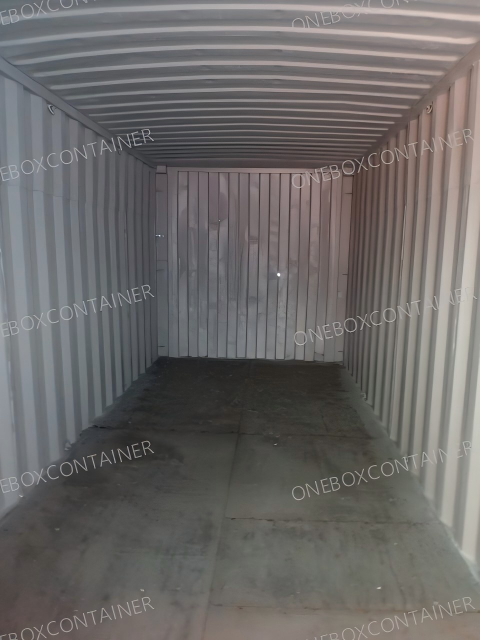
When buying a used shipping container, do not only look at the outside condition. Always inspect the floor inside the container. Check whether it is flat, solid, dry, clean, and free from major damage or unusual odor.
Why Is the Floor Installed on Steel Cross Members?
The floor of a shipping container is not unsupported. Under the plywood or bamboo floor, there is a strong steel base structure.
The steel understructure usually includes:
- Bottom side rails
- Cross members
- Center support structure
- Corner fittings
- Steel frame components
The floor panels are installed over these steel members to create a complete load-bearing system.
This structure offers several benefits:
- Better Load Support
Cargo weight is transferred from the floor panels to the steel cross members and then to the container frame. - Forklift-Friendly Operation
When a forklift drives into the container, the floor and steel base work together to support wheel pressure. - Easier Repair
If one section of the floor is damaged, the affected panel can often be replaced. - Controlled Container Weight
Compared with a full steel floor, plywood or bamboo flooring helps reduce the total weight while maintaining good strength.
How to Inspect the Floor of a Used Shipping Container
When buying a used shipping container, floor inspection is extremely important. Here are the key points to check:
1. Check for Soft Spots
Step on the floor or gently tap it with a tool. If one area feels soft, weak, hollow, or sinks under pressure, the floor may be rotten, wet, or damaged underneath.
2. Check for Holes and Cracks
Small scratches are normal in used containers. However, large cracks, holes, broken panels, or deep damage may affect safety and cargo loading.
3. Check for Heavy Oil Stains
Some containers were previously used for machinery, industrial products, chemicals, or oily cargo. The floor may absorb oil or stains. If the container will be used for furniture, household storage, packaging materials, or clean goods, choose a cleaner floor.
4. Check for Strong Odor
Wooden floors can absorb smells. A strong chemical smell, mold smell, or oil smell may require cleaning, ventilation, sealing, or floor replacement.
5. Check for Water Marks
Water stains near the floor edges or corners may indicate leakage from the door seals, roof, or side panels.
6. Check Floor Flatness
A floor that is warped, lifted, or uneven can affect pallet placement, forklift movement, and warehouse use.
When Should a Shipping Container Floor Be Replaced?
For general storage use, light scratches and normal wear are usually acceptable. However, floor repair or replacement is recommended if you find:
- Large areas of rot
- Holes through the floor
- Severe cracks
- Soft or sinking areas
- Unsafe forklift operation
- Serious chemical contamination
- Strong odor that cannot be removed
- Mold or long-term moisture damage
- Requirements for office, shop, or living-space conversion
Replacement flooring options include marine plywood, bamboo-composite panels, steel plates, anti-slip boards, PVC flooring, vinyl flooring, or epoxy coating, depending on the intended use.
Which Floor Type Is Best for Different Uses?
| Application | Recommended Floor Type | Notes |
| General Storage | Original plywood floor | Cost-effective for most storage needs |
| Export Loading | Solid original container floor | Check strength, cleanliness, and damage before loading |
| Machinery Storage | Reinforced plywood or steel plate | Suitable for heavy equipment |
| Home Storage | Clean and dry wooden floor | Check for moisture and odor |
| Container Office | Original floor with PVC or laminate finish | More comfortable and attractive |
| Refrigerated Cargo | Aluminum T-floor | Allows cold air circulation |
| Frequent Forklift Use | High-strength plywood or steel floor | Better wear resistance and durability |
Are Shipping Container Floors Treated Against Insects?
Many traditional wooden container floors are treated for insect resistance, mold resistance, or decay prevention. This is done to meet international shipping and import requirements in different countries.
For normal cargo transport and storage, this type of treatment is common in the container industry. However, if the container will be converted into an office, shop, studio, or living space, it is recommended to seal, cover, or replace the original floor with an interior-grade material.
If the Floor Is Wood, How Can It Carry Heavy Cargo?
This is a common question from container buyers. Although the floor surface looks like wood, it is not ordinary wood. It is made from high-strength engineered plywood or bamboo-composite panels. More importantly, the floor is supported by steel cross members underneath.
The full load-bearing system includes:
- High-strength floor panels
- Steel cross members
- Bottom side rails
- Corner castings
- Complete container frame
This is why a container can carry heavy cargo and allow forklift loading. However, the floor must be in good condition, and cargo weight should be distributed properly. Extremely heavy cargo should not be concentrated in one small area without reinforcement.
Why Floor Inspection Matters When Buying a Used Container
For used shipping containers, exterior rust does not always mean the container is unusable. However, a damaged floor can directly affect safety and long-term value.
A poor floor condition may cause:
- Safety risks during loading
- Forklift operation problems
- Cargo moisture damage
- Contamination of stored goods
- Higher repair costs
- Shorter service life
- Unsuitable export loading condition
A professional container supplier should check whether the container is wind and watertight, whether the doors close properly, whether the floor is solid, and whether the interior is suitable for the customer’s cargo or storage needs.
How ONE BOX Helps Customers Choose the Right Container Floor
ONE BOX provides 20ft containers, 40ft containers, 40HQ containers, new containers, used containers, and special container solutions for customers worldwide.
For export loading, we focus on:
- Whether the floor is suitable for forklift loading
- Whether the interior is clean
- Whether there is visible floor damage
- Whether the container is wind and watertight
- Whether the door seals are in good condition
- Whether the container is suitable for the customer’s cargo
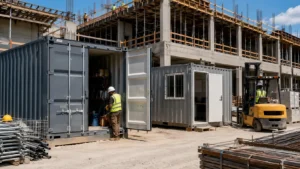
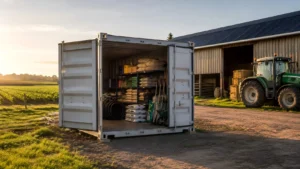
For storage, farm use, construction sites, home use, equipment storage, or warehouse projects, we focus on:
- Floor strength
- Floor cleanliness
- Odor condition
- Moisture resistance
- Need for reinforcement
- Need for modification or new flooring
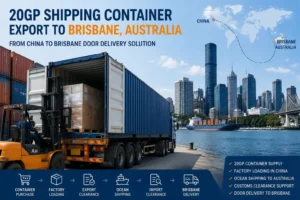
For overseas buyers whose cargo is located in China, ONE BOX can also help purchase a shipping container in China, arrange loading, export, and ocean shipping. The customer can use the purchased container for transportation first, then continue using it as a storage unit, warehouse, or practical space after arrival.
FAQ: Shipping Container Floor Materials
1. Is a shipping container floor made of steel or wood?
Most standard dry container floors are made of plywood, hardwood plywood, or bamboo-composite flooring supported by a steel frame. They are not usually made from full steel plates. Special containers may use steel floors, while refrigerated containers usually use aluminum floors.
2. Is a shipping container floor waterproof?
Container floors have a certain level of moisture resistance, but they are not designed to stay soaked in water for long periods. If the container leaks, the floor can still absorb moisture, grow mold, or rot over time.
3. Is odor normal in used container floors?
A light wood smell or old container smell is common. However, strong chemical odor, mold smell, or oil smell should be treated carefully, especially if the container will be used for household storage or conversion.
4. Can a shipping container floor be replaced?
Yes. Damaged sections can often be repaired or replaced. If the damage is serious, the entire floor can be replaced with marine plywood, bamboo panels, steel plates, or other flooring materials.
5. Is the original floor good enough for storage?
In most cases, yes. If the floor is solid, dry, clean, and free from serious damage, the original container floor is suitable for general storage.
6. Should I replace the floor for a container office?
For office, shop, or living-space conversion, it is recommended to seal the original floor and install PVC flooring, laminate flooring, vinyl flooring, wood flooring, or another interior-grade surface.
7. Is the floor of a refrigerated container the same as a dry container?
No. Refrigerated containers usually use aluminum T-flooring for cold air circulation, while dry containers usually use plywood or bamboo-composite flooring.
Conclusion: A Good Container Floor Adds Real Value
The floor may not be the most visible part of a shipping container, but it is one of the most important parts for practical use. Most dry container floors are made from marine plywood, hardwood plywood, or bamboo-composite panels installed over a strong steel understructure. Special containers may use steel flooring, while refrigerated containers usually use aluminum T-flooring.
When buying a shipping container, do not only compare price and exterior appearance. Always check whether the floor is strong, clean, flat, dry, and free from serious damage. A good floor can greatly improve safety, durability, storage performance, and long-term value.
If you are looking for a 20ft, 40ft, or 40HQ new or used shipping container, or if you need to buy a container in China and load your cargo for export, ONE BOX can recommend the right container solution based on your cargo, budget, and final use.