Introduction
Buying a shipping container online has become one of the easiest ways to source secure storage, mobile workspace, jobsite equipment protection, or a container for export and long-term use. Instead of calling multiple local dealers, waiting for manual quotes, and guessing whether delivery is included, buyers can now compare container sizes, conditions, prices, and delivery options directly online.
However, buying a container is still different from buying a normal product. A shipping container is large, heavy, and often delivered by truck. The wrong size, wrong condition grade, poor delivery access, or unclear documentation can create extra costs after purchase.
This guide explains how to buy a shipping container online in five simple steps. Whether you need a 20ft storage container for your backyard, a 40ft container for commercial storage, or a 40ft high cube container for export cargo, this checklist will help you make a safer and smarter buying decision.
Why Buying a Shipping Container Online Is Becoming Popular
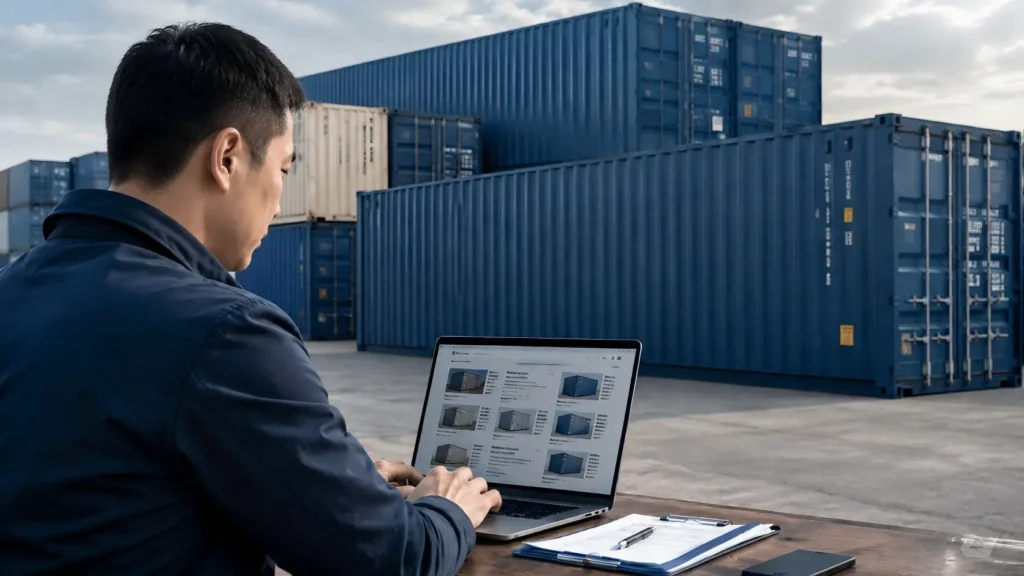
Online container purchasing gives buyers more control over the process. You can compare container types, check specifications, review photos, understand delivery terms, and request a quote without visiting a depot in person.
For homeowners, contractors, farmers, exporters, and business owners, this saves time and reduces uncertainty. A professional online container supplier should clearly show:
- Container size and type
- New or used condition
- Structural condition
- Door configuration
- Delivery options
- Final quotation details
- Payment terms
- Warranty or inspection information
The biggest advantage is transparency. Instead of receiving a vague price over the phone, buyers can understand what they are paying for before confirming an order.
Step 1: Get a Clear Quote Before You Buy
The first step in buying a shipping container online is getting a clear and complete quote. A good quote should not only include the container price, but also explain delivery charges, available inventory, container condition, and any additional service fees.
Many buyers make the mistake of comparing only the base container price. A cheap container may become expensive once trucking, handling, lifting, customs documents, or local delivery are added.
Before you confirm the quote, check these details:
- Is the price for a 20ft, 40ft, or 40ft high cube container?
- Is the container new, one-trip, cargo worthy, or used?
- Does the price include delivery to your address or depot?
- Are loading, unloading, or crane services included?
- Is the container available now, or does it need to be sourced?
- Are there extra fees for remote delivery areas?
- Is the quotation valid for a limited time?
If you are buying a container for export, storage, or resale, ask the supplier to confirm the container number, condition, and photos before loading. This helps avoid misunderstandings and gives you a written record of the transaction.
Step 2: Choose the Right Container Size and Type
After confirming the quote, the next step is selecting the right container size. The most common options are 20ft shipping containers, 40ft shipping containers, and 40ft high cube containers.
20ft Shipping Container
A 20ft container is a practical choice for small storage projects, construction sites, farms, workshops, and export cargo with heavy weight but limited volume. It is easier to place in tight spaces and is often more convenient for residential or small business use.
Best for:
- Tools and equipment
- Small warehouse storage
- Farm supplies
- Machinery parts
- Export cargo with high weight
- Backyard storage
40ft Shipping Container
A 40ft container provides much more storage volume and is ideal for commercial storage, large equipment, furniture, inventory, building materials, and international shipping.
Best for:
- Large-volume storage
- Commercial inventory
- Construction materials
- Export shipments
- Warehouse overflow
- Industrial equipment
40ft High Cube Container
A 40ft high cube container offers extra height compared with a standard 40ft container. This makes it suitable for tall cargo, container offices, container homes, and storage projects that require more internal space.
Best for:
- Tall equipment
- Container modification
- Mobile office projects
- Furniture storage
- Large-volume cargo
- Export and warehouse use
Choosing the right size depends on your cargo volume, site space, delivery access, and long-term use. If your project may grow in the future, buying a larger container can be more cost-effective than purchasing a second unit later.
Step 3: Understand Container Condition Grades
Container condition is one of the most important factors when buying online. Two containers of the same size may have very different prices depending on age, appearance, structural condition, and certification.
Here are the most common container condition grades buyers should understand.
New One-Trip Container
A one-trip container is usually manufactured overseas and used for one cargo trip before being sold. It is close to new condition, with clean flooring, better paint, fewer dents, and a longer service life.
Best for:
- Long-term storage
- Export-ready appearance
- Container homes
- Retail or customer-facing sites
- Businesses that want a cleaner look
Cargo Worthy Container
A cargo worthy container is used but still suitable for international shipping. It should be structurally sound and able to pass shipping requirements. Buyers who plan to load cargo and ship it overseas should consider cargo worthy units.
Best for:
- Ocean freight
- Export shipments
- Heavy cargo
- International logistics
- Buyers needing structural reliability
Wind and Water Tight Container
A wind and water tight container, often called WWT, is commonly used for storage. It may no longer be certified for ocean shipping, but it should keep wind and rain out when used properly.
Best for:
- General storage
- Construction sites
- Farms
- Workshops
- Equipment protection
- Budget-conscious buyers
Used Storage Container
A used storage container may show dents, rust, patches, faded paint, and signs of previous shipping use. It can still be a good choice if the structure is solid and the doors close properly.
Best for:
- Low-cost storage
- Temporary use
- Industrial yards
- Non-customer-facing areas
- Basic equipment storage
Before buying, always ask for photos, condition details, and inspection information. Pay attention to the roof, floor, door seals, corner posts, bottom rails, and locking bars. These areas affect the container’s usability and long-term performance.
Step 4: Confirm Payment, Order Details, and Delivery Plan
Once you choose the container, confirm all order details before payment. A professional supplier should provide a written invoice or sales confirmation with the container size, condition, price, delivery address, payment terms, and estimated delivery schedule.
Before paying, verify:
- Supplier company name
- Business contact information
- Container size and grade
- Total price
- Delivery terms
- Payment method
- Refund or cancellation policy
- Warranty or after-sales support
- Photos or inspection report if available
Avoid sending money to personal accounts or unverified sellers. If the price is much lower than the market average, ask more questions. Container scams often use fake photos, unrealistic prices, urgent payment requests, and unclear company details.
For international buyers, also confirm whether the container will be used for storage only or loaded with cargo for export. If you are buying a container in China and loading goods inside, the supplier should coordinate with your factory, trucking company, freight forwarder, and port booking agent.
Step 5: Prepare the Delivery Site Before the Container Arrives
Delivery preparation is often overlooked, but it is one of the most important parts of buying a shipping container online. A container is not a small parcel. It needs enough space, strong ground, and clear truck access.
Before delivery, check:
- Is the road wide enough for the delivery truck?
- Is the entrance free of gates, wires, trees, or low roofs?
- Is the ground level and strong enough to support the container?
- Do you need a crane, forklift, or side loader?
- Is someone available on-site to guide placement?
- Is the final location clearly marked?
- Are local permits required?
For standard ground delivery, the truck may need extra straight-line space to unload the container safely. If the site is narrow, uneven, muddy, or blocked by obstacles, you may need special lifting equipment.
For export projects, delivery preparation also includes factory loading, container sealing, customs documentation, and port delivery. Make sure the container condition matches the shipping requirement before loading cargo.
What to Check When the Container Is Delivered
When your container arrives, inspect it before signing the delivery confirmation. Do not wait until the driver leaves if something looks wrong.
Check the following:
- Container size matches the order
- Container condition matches the quotation
- Doors open and close properly
- Door seals are not badly damaged
- Roof has no obvious holes
- Floor is usable and not severely broken
- Locking bars work correctly
- Container number is visible
- No major structural damage is present
Take photos of the container from all sides, including the roof if possible, doors, floor, container number, and any visible damage. These photos are useful for warranty claims, insurance, resale, and future reference.
Documents You Should Keep After Buying a Container
After delivery, save all purchase and container documents in one place. These documents may be needed for insurance, business records, resale, customs, site approval, or warranty service.
Important documents include:
- Commercial invoice
- Delivery confirmation
- Container number
- Photos of the delivered container
- Warranty information
- Inspection report
- Modification specifications if applicable
- Export documents if the container is used for shipping
For business buyers, it is helpful to create a digital folder named with the container number and purchase date. This makes it easier to track multiple units.
Common Mistakes to Avoid When Buying a Shipping Container Online
Many problems can be avoided with careful checking before payment and delivery.
Mistake 1: Buying Only Based on the Lowest Price
The cheapest container may have poor condition, hidden delivery fees, or limited after-sales support. Always compare total value, not just price.
Mistake 2: Not Confirming Container Grade
A used container for storage is not always suitable for international shipping. If you need to export cargo, confirm cargo worthy condition before purchase.
Mistake 3: Ignoring Delivery Access
Even if the container is perfect, poor site access can delay delivery or create extra handling costs. Measure the site before ordering.
Mistake 4: Not Asking for Photos
Photos help confirm the real condition of the unit. For used containers, photos are especially important.
Mistake 5: Forgetting Documentation
Invoices, container numbers, inspection records, and delivery confirmations are important for ownership proof, warranty, and future resale.
Buying a Shipping Container Online for Export Use
If you are buying a shipping container online for international shipping, the process requires extra coordination. The container must be suitable for cargo loading and accepted by the shipping line.
Export buyers should confirm:
- Cargo worthy condition
- Valid container number
- Door closing condition
- Floor condition
- Container weight limits
- Factory loading schedule
- Trucking to port
- Customs clearance
- Shipping booking
- Seal number
- Bill of lading details
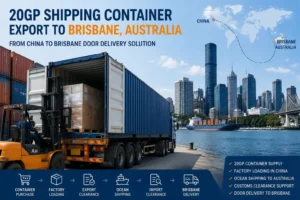
For example, many overseas buyers purchase a 20ft or 40ft container in China, load products inside, and ship the container directly to their country. This can be useful when the buyer wants to keep the container for warehouse storage after arrival.
In this situation, working with an experienced container supplier and freight forwarder can save time and reduce risk.
Why Choose ONE BOX for Shipping Containers
ONE BOX provides practical container solutions for storage, export, warehouse use, construction sites, and customized projects. We help buyers source new and used shipping containers, arrange loading, coordinate delivery, and support international shipping needs.
Our container solutions include:
- 20ft shipping containers
- 40ft shipping containers
- 40ft high cube containers
- New one-trip containers
- Used storage containers
- Cargo worthy containers
- Side opening containers
- Customized container solutions
- Container loading and export support
Whether you need a container for local storage or international shipping, ONE BOX can help you choose the right size, condition, and delivery plan.
Final Checklist Before Buying a Shipping Container Online
Before placing your order, review this quick checklist:
- Confirm the container size: 20ft, 40ft, or 40ft high cube.
- Choose the correct condition grade for your use.
- Ask for photos or inspection details.
- Confirm total price, including delivery.
- Verify payment and supplier information.
- Prepare the delivery site.
- Inspect the container on arrival.
- Save invoice, delivery record, photos, and container number.
Buying a shipping container online can be simple, safe, and cost-effective when you follow the right process. The key is to confirm details before payment, prepare the delivery site, and choose a supplier that understands both container sales and logistics.
FAQ: Buying a Shipping Container Online
1. Is it safe to buy a shipping container online?
Yes, buying a shipping container online can be safe if you choose a verified supplier, confirm company details, request written quotations, and avoid sending payments to unknown personal accounts.
2. What is the best container size for storage?
A 20ft container is suitable for smaller storage needs, while a 40ft or 40ft high cube container is better for larger inventory, equipment, furniture, or commercial storage.
3. What is the difference between new and used shipping containers?
A new one-trip container usually has better appearance, cleaner flooring, and longer service life. A used container is more affordable and is commonly used for storage, construction sites, and industrial yards.
4. Can I use a used container for international shipping?
Only if the container is cargo worthy and accepted for ocean freight. If you plan to export cargo, confirm the condition with your supplier before loading.
5. Do I need a crane to unload a shipping container?
Not always. Some containers can be delivered by tilt-bed truck or side loader, depending on the site. If the delivery location has limited access, a crane or forklift may be required.
6. What should I inspect when the container arrives?
Check the doors, seals, roof, floor, locking bars, container number, and overall structure. Take photos before signing the delivery confirmation.
7. Can I customize a shipping container?
Yes. Common container modifications include side doors, roll-up doors, windows, vents, insulation, electrical systems, office conversion, and special storage solutions.
8. How do I get a quote for a shipping container?
Contact ONE BOX with your required container size, destination, usage, condition preference, and delivery details. Our team will help you choose the right container and provide a suitable quotation.