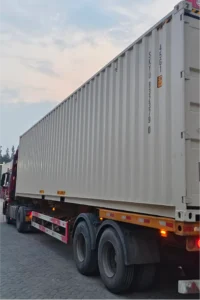
When Is a Shipping Container Retired?
Shipping containers are built to handle years of heavy-duty transport across oceans, ports, rail yards, and trucking routes. But even the strongest steel container does not stay in active international shipping forever. At some point, a container may be retired from sea service and sold for land-based use such as storage, construction, modification, or private projects.
A shipping container is usually considered “retired” or “decommissioned” when it is no longer economical, practical, or compliant enough for continued international cargo transport. There is no single global expiration date for every container, but many containers leave active shipping service after years of use, repeated handling, harsh weather exposure, inspection failure, or rising repair costs. Eveon notes that many containers are retired after around 10–13 years of use, although well-maintained units may remain serviceable for longer.
For buyers, this is important: a retired shipping container is not automatically useless. In fact, many used containers still have excellent value as secure storage units, jobsite storage, farm storage, workshops, pop-up shops, container offices, and conversion projects.
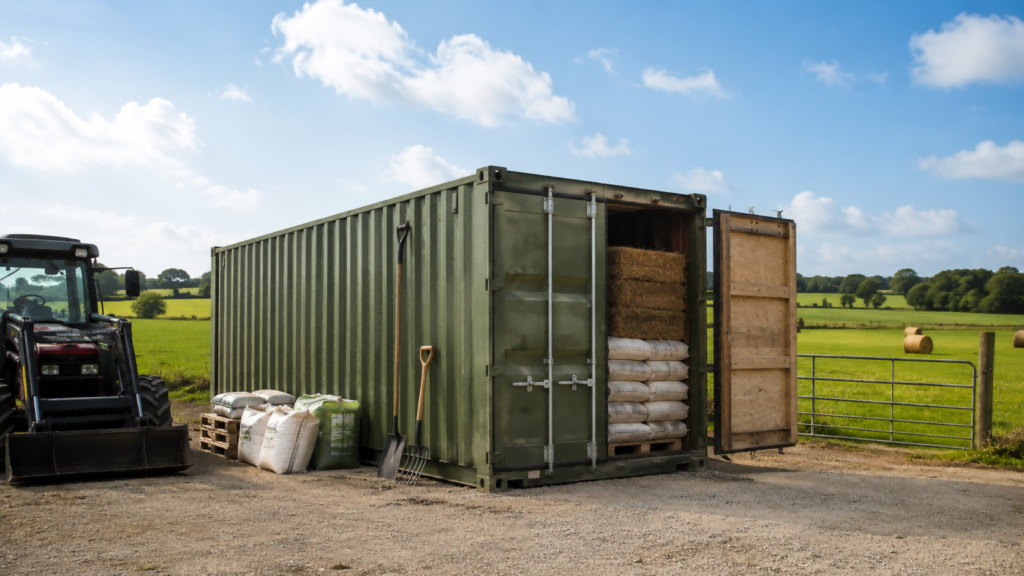
What Does “Retired Shipping Container” Mean?
A retired shipping container is a container that has been removed from active ocean freight circulation. This means it may no longer be used for regular international cargo shipping, especially if it no longer has valid certification or if the cost of keeping it in cargo service is too high.
However, retirement from sea service does not mean the container is scrap metal. Many decommissioned containers are still wind and watertight, structurally useful, lockable, and suitable for land-based applications.
In simple terms:
Retired from shipping does not mean retired from use.
A container can stop carrying cargo across oceans and still provide years of practical service on land.
Why Are Shipping Containers Retired?
Shipping containers are retired for several main reasons. These usually involve safety, cost, compliance, and long-term fleet efficiency.
1. Age and Service Life
Most shipping containers spend years moving through ports, container yards, vessels, trucks, and rail systems. During this time, they are exposed to saltwater air, rain, sun, dents, forklift handling, cargo loading, and stacking pressure.
Many containers are retired after about 10 to 13 years of active service, depending on their condition, maintenance history, and operating environment. Some containers can remain in cargo service longer if they are well maintained, while others may be retired earlier because of corrosion, structural damage, or inspection failure.
For land-based use, the working life can be much longer. A properly maintained used container can continue serving as storage for many years.
2. CSC Certification Issues
International shipping containers need to meet safety requirements before they can be used in global cargo transport. One of the most important indicators is the CSC plate.
CSC stands for Convention for Safe Containers. The International Maritime Organization explains that the CSC was created to maintain safety in the handling and transport of containers by setting accepted testing procedures and structural requirements.
A CSC plate is normally attached to the container door area and shows that the container was approved for international transport. BIC also states that containers used for international transport must have a valid safety approval plate.
If a container fails inspection or no longer has valid certification, it may be removed from shipping service. That does not always mean it is unsafe for storage, but it may no longer be suitable for international cargo movement.
3. Structural Damage
Containers are designed to be strong, but they are not indestructible. Over time, damage can occur from repeated loading, stacking, lifting, transportation, and rough operating conditions.
Common damage that may lead to retirement includes:
- Bent or twisted frames
- Severe dents
- Cracked welds
- Holes in panels or roof sections
- Damaged corner castings
- Door alignment problems
- Floor damage
- Heavy rust around door sills, bottom rails, or structural areas
Minor dents and surface rust are common on used containers and may not affect storage use. But serious structural damage can make a container unsuitable for cargo shipping.
4. Corrosion and Rust
Rust is one of the biggest reasons containers are retired from shipping service. Containers spend much of their life in marine environments, where salt air and moisture can accelerate corrosion.
Surface rust is normal on many used containers. It can often be cleaned, treated, painted, or repaired. But deep corrosion, holes, weakened bottom rails, and rust around key load-bearing areas can reduce the container’s ability to handle international shipping demands.
For storage buyers, the key question is not whether a container has any rust. The real question is:
Is the container still wind and watertight, secure, and structurally suitable for your intended use?
5. Repair Costs Are Too High
A container may be retired simply because it no longer makes financial sense to repair it for international shipping.
Shipping lines and leasing companies manage large fleets. If an older container requires expensive repairs, recertification, or frequent maintenance, the owner may decide to sell it instead of keeping it in active cargo service.
This creates an opportunity for buyers who need affordable storage. A container that is too costly for global freight service may still be a cost-effective solution for farms, factories, construction sites, warehouses, and homeowners.
6. Fleet Efficiency and Modern Standards
Container fleets are constantly changing. Shipping companies may retire older containers to improve fleet quality, reduce inspection problems, improve operational efficiency, or replace older units with newer equipment.
Some older containers may also be less compatible with modern handling preferences or fleet management standards. Even if the container is still usable, it may no longer be the best fit for high-volume international logistics.
What Is a CSC Plate on a Shipping Container?
A CSC plate is a metal safety approval plate fixed to a shipping container. It shows that the container meets international safety standards for transport and handling.
The CSC system was created under the International Convention for Safe Containers, which was adopted in 1972. Its purpose is to support safer container handling and transport worldwide.
A CSC plate may include information such as:
- Approval number
- Manufacturer details
- Date of manufacture
- Maximum gross weight
- Allowable stacking weight
- Racking test load
- Examination or inspection information
For buyers of used containers, the CSC plate can be useful, but it is not the only factor to consider. If you are buying a container for storage, workshop use, or modification, you may not need active export certification. But if you plan to use the container for international shipping, you must confirm whether the container has valid CSC status and is cargo-worthy.
Can a Retired Shipping Container Still Be Used?
Yes. A retired shipping container can still be extremely useful.
In many cases, containers are retired from sea service because they are no longer ideal for international shipping, not because they are unusable. Once removed from cargo service, they can begin a second life on land.
Popular uses include:
- Onsite storage
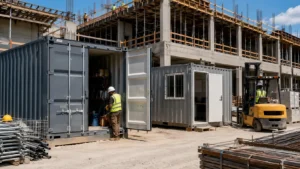
- Construction site storage
- Farm and agricultural storage
- Tool and equipment storage
- Workshop space
- Container office conversion
- Pop-up shop or event structure
- Temporary warehouse space
- Emergency storage
- Home and garden storage
- Export packing support, if properly certified and approved
Used containers are popular because they are strong, movable, lockable, weather-resistant, and often more affordable than building a permanent structure.
Retired Container vs Used Container: Are They the Same?
Not always.
A used container simply means the container has been used before. It may still be suitable for shipping, or it may only be suitable for storage.
A retired container usually means the container has been removed from active international cargo service. It may no longer have valid CSC certification or may not be economical to keep in shipping circulation.
A cargo-worthy container is a used container that is still suitable for shipping cargo, subject to inspection and certification requirements.
A wind and watertight container is typically suitable for storage because it keeps out normal wind and rain, but it may not be approved for international shipping.
Before buying, always ask the supplier what grade the container is and what use it is suitable for.
What Should Buyers Check Before Buying a Retired Container?
If you are buying a retired shipping container for storage or modification, inspect the container carefully or buy from a supplier that provides clear condition information.
Important areas to check include:
Doors
The doors should open and close properly. Check the locking rods, handles, rubber seals, hinges, and alignment. Door problems can make a container difficult to use even if the body is still strong.
Roof
Look for holes, deep dents, standing water areas, or rust spots. A container roof should keep rain out.
Floor
Most standard containers have heavy-duty plywood flooring. Check for soft spots, holes, chemical contamination, or major damage.
Walls
Dents are common, but holes and deep corrosion should be reviewed carefully. Small dents may not affect storage use, but serious panel damage can reduce durability.
Bottom Rails and Crossmembers
The underside of the container is important. Heavy corrosion in the bottom structure can affect strength and long-term use.
Rust Level
Surface rust is normal. Deep rust, flaking metal, holes, and corrosion around structural points require more attention.
How Long Can a Retired Shipping Container Last on Land?
A retired shipping container can last many years on land if it is placed correctly and maintained properly.
To extend its life:
- Place it on level ground
- Keep it raised slightly above soil or standing water
- Improve airflow under the container
- Treat rust early
- Repaint when needed
- Keep the roof clear of standing water
- Check door seals regularly
- Use vents to reduce condensation
A used container that is no longer ideal for ocean transport can still provide long-term storage value when maintained properly.
Is a Retired Shipping Container a Good Investment?
For many buyers, yes.
A retired shipping container can be a smart investment because it offers:
- Lower cost than new construction
- Fast delivery and setup
- Strong steel structure
- Secure storage space
- Weather-resistant design
- Flexible use
- Easy relocation
- Long service life with maintenance
- Sustainable reuse of existing materials
Instead of building a shed or renting warehouse space, many businesses and homeowners choose a used container because it provides immediate, practical storage.
Best Uses for Retired Shipping Containers
Construction Sites
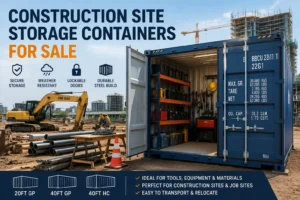
Contractors use containers to store tools, machinery, materials, safety equipment, and temporary supplies.
Farms and Agriculture
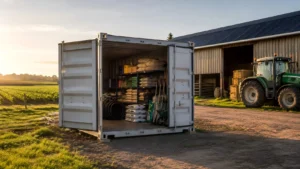
Farmers use containers for feed, equipment, irrigation tools, fencing materials, seasonal products, and workshop storage.
Warehouses and Factories
Manufacturers and distributors use containers as overflow storage for inventory, packaging, spare parts, and equipment.
Residential Storage
Homeowners use containers for renovation projects, moving, furniture storage, outdoor equipment, and long-term household storage.
Container Modification Projects
Retired containers can be modified into offices, shops, cabins, workshops, guard rooms, or special storage units.
When Should You Not Buy a Retired Container?
A retired container may not be the right choice if:
- You need a container for international shipping but it does not have valid CSC certification
- The container has major structural damage
- The roof has serious holes or leaks
- The doors cannot close properly
- The floor is unsafe
- The bottom rails are heavily corroded
- The supplier cannot explain the container grade or condition
For export cargo, always confirm cargo-worthy condition and certification requirements before purchasing.
Final Thoughts: Retired Containers Still Have a Strong Second Life
A shipping container may be retired from sea service, but that does not mean its useful life is over. Many decommissioned containers remain strong, secure, and highly practical for land-based storage and modification.
The key is understanding the container’s condition, certification status, and intended use. If you need international shipping, CSC status and cargo-worthy condition matter. If you need storage, a wind and watertight used container may offer excellent value.
For businesses, farms, construction sites, and homeowners, retired shipping containers are one of the most cost-effective ways to create secure, flexible, and durable storage space.
FAQ
When is a shipping container retired?
A shipping container is usually retired when it is no longer economical, compliant, or structurally suitable for continued international cargo service. Many containers are retired after years of heavy use, inspection issues, corrosion, or high repair costs.
How old is a retired shipping container?
Many containers are retired from active shipping service after about 10 to 13 years, but the exact age depends on condition, maintenance, damage, and fleet requirements.
Can I still use a retired container for storage?
Yes. Many retired containers are still suitable for storage if they are wind and watertight, secure, and structurally sound.
Does a retired container have a CSC plate?
It may still have a CSC plate attached, but that does not always mean the certification is currently valid. If you need the container for shipping, confirm its CSC status before buying.
What is the difference between cargo-worthy and wind-and-watertight?
Cargo-worthy containers are suitable for shipping cargo, subject to inspection and certification. Wind-and-watertight containers are generally suitable for storage because they protect against normal weather, but they may not be approved for international transport.
Are retired containers cheaper than new containers?
Usually yes. Retired or used containers are often more affordable than new one-trip containers, making them popular for storage and modification projects.
How can I make a retired container last longer?
Place it on level supports, keep it away from standing water, repair rust early, maintain the roof, check door seals, and repaint when necessary.