Rent vs Buy a Shipping Container: Which Option Makes More Sense?
Shipping containers are no longer used only for ocean freight. Today, they are widely used as secure storage units, construction site storage, farm storage, mobile workshops, temporary warehouses, equipment rooms, retail spaces, and even modular offices. For many businesses and property owners, the first question is simple: should I rent or buy a shipping container?
The answer depends on how long you need the container, how often you will use it, your budget, the delivery location, and whether the container can become a long-term asset for your business.
For very short-term needs, renting may look convenient. But for long-term storage, repeated projects, business inventory, or container modification, buying a shipping container is often the more cost-effective decision.
This guide explains the key differences between renting and buying a shipping container so you can choose the best option for your project.
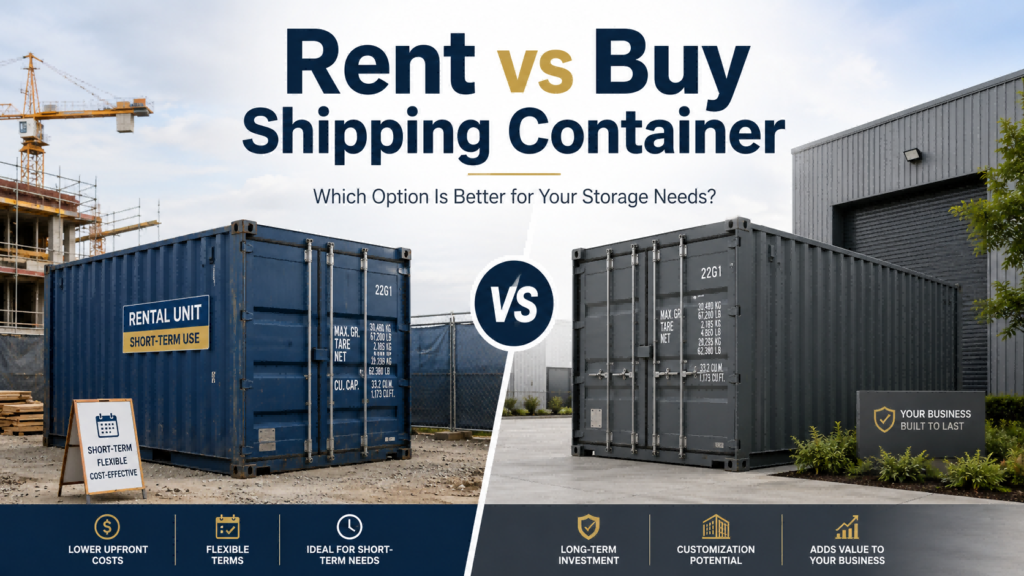
Quick Answer: Rent for Short-Term, Buy for Long-Term
If you only need a container for a few weeks or one short project, renting may be easier. You pay a monthly fee, use the container, and return it when the job is finished.
However, if you need a container for several months or longer, buying usually makes more sense. Once you buy the container, you own a durable storage asset that can be reused, moved, modified, or resold later.
A simple rule is:
Rent a container if you need it for a very short time. Buy a container if you need it for long-term storage, repeated use, business operations, or modification.
Why Businesses Rent Shipping Containers
Renting a shipping container can be useful in certain situations. It is commonly chosen for temporary storage when the user does not want to make a larger upfront purchase.
Common rental situations include:
Short construction projects, temporary event storage, seasonal overflow, emergency storage, moving house, or short-term warehouse expansion.
For example, a contractor may rent a 20ft storage container for a six-week renovation project. A retail company may rent an extra 40ft container during a busy holiday season. A homeowner may rent a container during remodeling or relocation.
The biggest advantage of renting is flexibility. You do not need to keep the container after the project ends. This makes renting attractive when the storage need is clearly temporary.
However, rental costs can grow quickly. Monthly rental fees, delivery charges, pickup charges, damage fees, and extension fees can make renting more expensive than expected, especially when the project lasts longer than planned.
Why Buying a Shipping Container Often Saves Money
Buying a shipping container is a better option for long-term use. Instead of paying rental fees month after month, you pay once and own the container.
This is especially valuable for businesses that need storage regularly. Contractors, farms, factories, e-commerce sellers, logistics companies, equipment suppliers, and self-storage operators often benefit from owning containers because the container becomes part of their working assets.
A purchased container can be used for:
Secure tool storage
Inventory storage
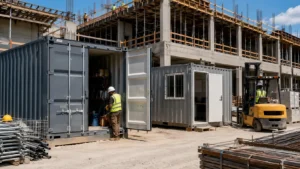
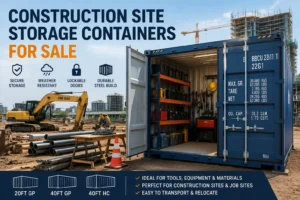
Construction site storage
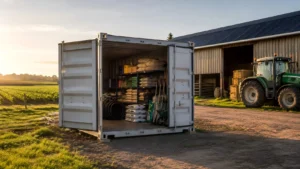
Farm and agricultural storage
Workshop space
Warehouse overflow
Export packing
Modified container offices
Long-term equipment protection
When you buy a container, you also avoid repeated rental cycles. You do not need to return the container at a fixed time. You can move it to another site, repaint it, add vents, install shelving, add a roll-up door, or convert it into a mobile office.
Most importantly, a shipping container keeps resale value. Even after years of use, a well-maintained used container can often be sold again in the local market.
Cost Comparison: Renting vs Buying a Container
The cost difference between renting and buying depends on container size, location, condition, and delivery distance. But the general pattern is clear: the longer you use the container, the more attractive buying becomes.
Renting Cost
When renting, you usually pay:
Monthly rental fee
Delivery fee
Pickup fee
Possible cleaning or damage charges
Possible extension charges
A container rental may seem affordable at first because the monthly fee is lower than the purchase price. But if you rent for 6 months, 12 months, or longer, the total cost can become high.
Another important point is that rental payments do not build ownership. After paying for months, you still do not own the container.
Buying Cost
When buying, you usually pay:
Container purchase price
Delivery cost
Optional modification cost
The upfront cost is higher, but there are no monthly rental fees. Once the container is paid for, it can continue serving your business for years.
For long-term storage, buying often creates better value because the container can be reused or resold.
When Renting a Shipping Container Makes Sense
Renting may be the right choice if your need is short, temporary, and clearly limited.
1. You Need the Container for Less Than 2–3 Months
If your project will finish quickly and you are sure you will not need the container again, renting may be practical. This is common for events, short construction work, or temporary home storage.
2. You Do Not Want to Handle Resale
Buying a container and selling it later may save money, but some customers prefer not to manage resale. Renting removes that step.
3. You Have Limited Space After the Project
If the container must be removed immediately after use and you have no place to keep it, renting may be easier.
4. Your Storage Demand Is Seasonal
Some businesses only need extra storage for a few weeks each year. In this case, renting can help cover short seasonal peaks without buying extra units.
When Buying a Shipping Container Makes Sense
Buying is usually the better option when the container will be used for more than a short period.
1. You Need Long-Term Storage
If you need storage for 6 months, 12 months, or several years, buying is usually more economical. You avoid ongoing rental fees and gain full control over the container.
2. You Will Reuse the Container
Contractors, builders, landscapers, farmers, and warehouse operators often reuse containers on different projects. A purchased container can be moved from one site to another, reducing repeated rental and pickup costs.
3. You Want to Modify the Container
If you want to add doors, windows, vents, shelving, insulation, lighting, or office features, buying is strongly recommended. Rental containers are usually limited in modification options because they must be returned in acceptable condition.
4. You Need Better Control Over Condition
When you buy, you can choose the container grade more carefully. Options may include used wind and watertight containers, cargo-worthy containers, or one-trip containers. This allows you to select the right unit based on appearance, durability, and budget.
5. You Want an Asset, Not a Monthly Expense
A purchased container is a physical asset. It can support your business, protect goods, and still hold resale value. Rental payments, on the other hand, are simply operating expenses.
20ft vs 40ft Container: Which One Should You Choose?
When deciding whether to rent or buy, container size is also important.
20ft Shipping Container
A 20ft container is compact, easy to place, and suitable for limited spaces. It is commonly used for tools, household goods, small business inventory, farm supplies, and construction materials.
Best for:
Small storage areas
Residential use
Tools and equipment
Short driveways or tight job sites
Small business storage
40ft Shipping Container
A 40ft container provides much more storage capacity and is ideal for larger operations. It is commonly used for warehouse overflow, commercial inventory, machinery, furniture, building materials, and export cargo.
Best for:
Large inventory storage
Industrial equipment
Construction sites
Commercial warehouses
Export packing
Long-term business storage
40ft High Cube Container
A 40ft high cube container offers extra height, making it suitable for oversized cargo, palletized goods, machinery, and modified container projects.
Best for:
Tall equipment
Container offices
Container workshops
Bulk storage
Export and logistics use
Used Containers vs New Containers
Another key factor is condition.
Used Shipping Containers
Used containers are popular because they offer strong value. They may have dents, scratches, rust marks, or previous shipping signs, but they remain strong and functional when properly inspected.
Used containers are ideal for:
General storage
Construction sites
Farms
Workshops
Warehouse overflow
Cost-effective business use
New or One-Trip Containers
New or one-trip containers are usually in better cosmetic condition. They are suitable for customers who need a cleaner appearance or plan to use the container for office conversion, retail space, display area, or high-end storage.
New containers are ideal for:
Container offices
Retail projects
Customer-facing sites
Long-term premium storage
Modification projects
Renting vs Buying for Construction Companies
Construction companies are one of the strongest examples of why buying often makes sense.
A contractor may need secure storage on every job site. If the company rents a container for each project, it may pay repeated delivery, pickup, and rental fees. Over time, this becomes expensive.
By purchasing a container, the contractor can move it from one project to the next. Tools, materials, and equipment stay protected, and the company avoids starting a new rental agreement each time.
For contractors with ongoing projects, buying a shipping container is often the smarter long-term investment.
Renting vs Buying for Businesses
Retailers, e-commerce sellers, manufacturers, and distributors often need extra storage space. Renting may help for a short inventory spike, but buying is better for regular storage needs.
A purchased shipping container can serve as a mini warehouse next to a factory, shop, farm, or distribution center. It helps reduce warehouse pressure and keeps goods close to daily operations.
For businesses with growing inventory, buying a container provides flexibility and control.
Hybrid Strategy: Buy for Core Storage, Rent for Peak Demand
Some companies use both options.
For example, a business may buy two 40ft containers for regular storage and rent one extra container during peak season. This hybrid strategy gives the business the long-term value of ownership while still allowing temporary expansion when needed.
This approach works well when:
Storage demand is stable most of the year
Peak demand lasts only a short time
The company wants to avoid unused extra containers
Temporary storage needs are predictable
Key Questions Before You Decide
Before choosing rent or buy, ask these questions:
How long will I need the container?
Will I use it again after this project?
Do I need to modify the container?
Do I have space to keep it?
Is the container for personal use or business use?
Do I care about resale value?
Do I need a 20ft, 40ft, or 40ft high cube container?
Is appearance important?
Will delivery and pickup fees increase the rental cost?
If the container will be used repeatedly or for long-term storage, buying is usually the better decision.
Final Recommendation: Should You Rent or Buy a Shipping Container?
Renting a shipping container is best for short-term, temporary, or one-time use. It offers convenience and lower initial cost, especially when the project is short and clearly defined.
Buying a shipping container is better for long-term storage, business use, repeated projects, modifications, and customers who want better overall value. Although the upfront cost is higher, ownership gives you flexibility, control, resale value, and long-term savings.
For most businesses, contractors, farms, and storage users, buying a used 20ft or 40ft shipping container is the smarter investment.
ONEBOX Shipping Containers for Sale
ONEBOX provides practical shipping container solutions for storage, business, construction, logistics, and modification projects. Whether you need a used 20ft container, 40ft shipping container, 40ft high cube container, or a container for customized storage, ONEBOX can help you choose the right option based on your space, cargo, budget, and delivery requirements.
Our containers are suitable for:
Construction site storage
Business inventory storage
Farm and agricultural use
Workshop conversion
Warehouse expansion
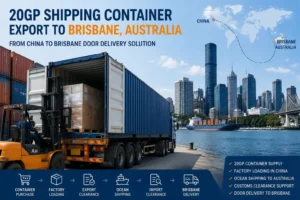
Export cargo loading
Modified container projects
Long-term outdoor storage
Contact ONEBOX to find the right shipping container for your next project.
FAQ: Rent vs Buy Shipping Container
Is it better to rent or buy a shipping container?
Renting is better for very short-term use. Buying is better for long-term storage, repeated business use, modification, and customers who want resale value.
How long should I use a container before buying makes sense?
If you need a container for more than several months, buying often becomes more cost-effective than renting.
Can I modify a rented shipping container?
Usually, rental containers cannot be heavily modified. If you need doors, windows, vents, insulation, shelves, or office conversion, buying is the better choice.
Are used shipping containers good for storage?
Yes. Used shipping containers are strong, secure, weather-resistant, and suitable for tools, inventory, equipment, furniture, machinery, and general storage.
Which is better: 20ft or 40ft shipping container?
A 20ft container is better for smaller spaces and lighter storage needs. A 40ft container is better for large inventory, business storage, construction materials, and warehouse overflow.
Can I resell a shipping container after buying it?
Yes. Shipping containers usually keep resale value if they are maintained well and remain structurally sound.
Why do businesses buy shipping containers?
Businesses buy containers because they provide secure, flexible, and cost-effective storage without monthly rental fees. They can also be moved, reused, modified, or resold.