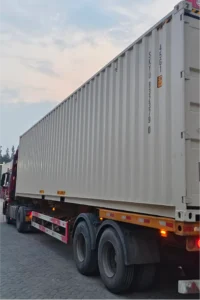
Introduction: Why Farms Are Choosing Shipping Containers for Storage
Modern farms need more than open sheds and temporary storage rooms. Seed, feed, tools, fertilizers, irrigation parts, small machinery, veterinary supplies, packaging materials, and harvest products all need a safe, dry, and organized space. For many farms, a shipping container is one of the fastest and most cost-effective storage solutions available.
Unlike a traditional farm building, a shipping container arrives ready to use. It does not require complicated construction, long installation time, or a permanent foundation in many farm applications. It can be placed near the field, beside a barn, next to a packing area, or close to livestock facilities. When the farm layout changes, the container can also be moved.
For agriculture and farming, shipping containers offer three major advantages: strong steel security, weather-resistant storage, and flexible use. Whether you operate a small family farm, livestock ranch, orchard, vegetable farm, greenhouse business, or large agricultural operation, the right container can help reduce storage problems and protect valuable farm assets.
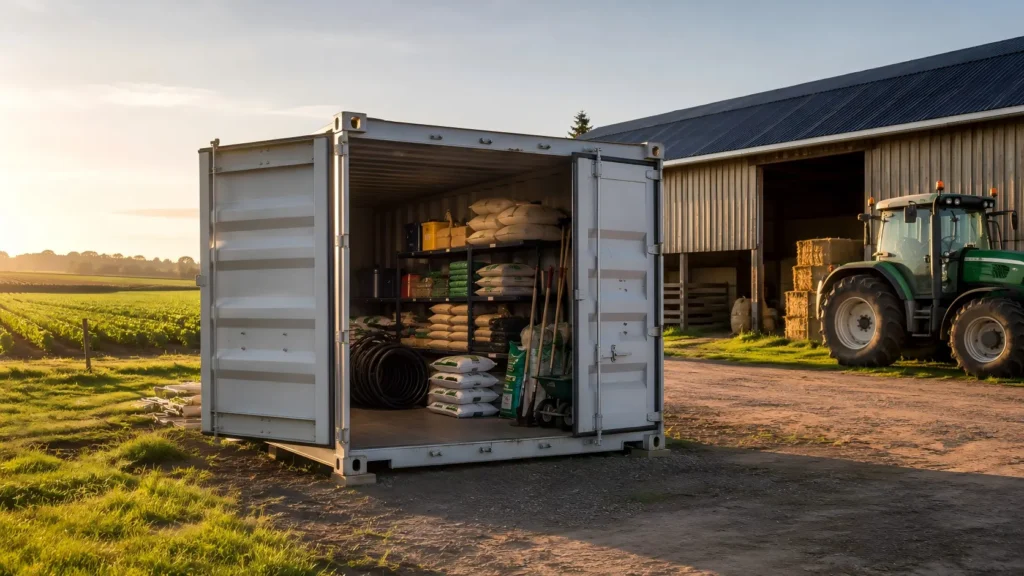
What Can Farmers Store in a Shipping Container?
Shipping containers are not only used for ocean freight. On farms, they can become practical storage units for many different materials and tools.
Common agricultural uses include:
- Seed and bagged grain storage
- Animal feed and livestock supplies
- Fertilizers and agricultural chemicals
- Hand tools and power tools
- Irrigation pipes, pumps, hoses, and fittings
- ATV, small tractors, attachments, and spare parts
- Harvest packaging materials
- Produce cooling and temporary harvest storage
- Veterinary supplies and medicine
- Farm office or field operation room
The key is choosing the correct container size, condition, and modification according to what you plan to store.
1. Seed, Feed, and Bagged Grain Storage
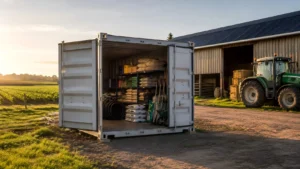
A shipping container is a strong choice for storing bagged seed, bagged grain, and packaged animal feed. Farms often need a dry and pest-resistant space to protect products from moisture, insects, rodents, and weather changes.
For loose bulk grain at large scale, a grain bin is usually the better choice because it is designed for high-volume grain handling and aeration. However, for bagged grain, seed stock, feed bags, and packaged agricultural products, a shipping container is often more flexible and easier to manage.
A 20ft container can be suitable for small farms or seasonal storage. A 40ft container provides much more capacity for farms that need to store larger quantities of seed, feed, or farming supplies.
For high-value seed that needs strict temperature or humidity control, farmers should consider an insulated or climate-controlled container. This helps protect seed quality, especially when storage lasts for several months or crosses different seasons.
2. Agricultural Chemical and Fertilizer Storage
Farms often need to store herbicides, pesticides, fertilizers, cleaning products, and other agricultural chemicals. These materials should not be mixed casually with food, feed, tools, or general supplies.
A shipping container can be converted into a dedicated chemical storage unit. With a lock box, ventilation, internal shelving, spill control design, and proper labeling, the container can provide a safer and more organized storage space.
Important chemical storage features may include:
- Lockable steel structure
- Ventilation to reduce vapor buildup
- Separate storage areas for incompatible chemicals
- Raised shelving or palletized storage
- Spill containment planning
- Clear warning signs
- Easy access for inspection
Farmers should always check local agricultural and environmental regulations before using a container for chemical storage. Different regions may have different requirements for ventilation, secondary containment, separation distance, and emergency access.
3. Farm Equipment and Tool Storage
Farm equipment is expensive. GPS guidance systems, precision farming devices, pumps, generators, sprayers, chainsaws, spare parts, electrical tools, and small machines can be costly to replace. Leaving them in an open shed increases the risk of theft, rust, dust damage, and weather exposure.
A shipping container provides a strong steel enclosure that is much more secure than many temporary storage sheds. It can be fitted with a lock box, heavy-duty padlock, roll-up door, shelving, lighting, and tool racks.
For equipment storage, a 40ft High Cube container is often a better option because it provides more internal height. This is useful for taller items, pallet racks, stacked materials, or equipment attachments.
However, standard containers are not suitable for every type of farm machine. Large tractors, combines, and oversized implements may not fit without special modifications. Containers are usually best for small machinery, attachments, precision equipment, spare parts, pumps, irrigation parts, ATV units, and valuable accessories.
4. Produce, Harvest, and Cold Chain Storage
Fresh produce farms, orchards, vegetable farms, flower farms, and direct-market farms often need temporary cold storage after harvest. A climate-controlled shipping container can be used as a walk-in cooler or temperature-managed harvest storage space.
This is especially useful for:
- Fruits and vegetables
- Flowers and nursery products
- Dairy-related farm supplies
- Meat processing support storage
- Seed storage
- Veterinary products
- Temperature-sensitive packaging or ingredients
Compared with building a permanent cold room, a refrigerated or climate-controlled container can be faster to install and easier to relocate. It can be placed close to the harvest area, packing station, or loading area, reducing handling time and improving farm workflow.
5. Livestock and Veterinary Supply Storage
Livestock farms need reliable storage for feed additives, medicines, grooming tools, fencing parts, water system components, mineral blocks, and animal care supplies. A container can keep these products organized and protected from weather.
For veterinary supplies, temperature control may be important. Some products should not be exposed to extreme heat, freezing temperatures, or humidity. In these cases, an insulated or climate-controlled container is recommended.
A container used for livestock support can also include:
- Shelving systems
- Partition walls
- Ventilation
- Lighting
- Workbench
- First-aid supply area
- Separate clean storage zone
This makes daily farm management more efficient and reduces the chance of losing important supplies.
Choosing the Right Container Size for Farm Use
Different farms need different container sizes. The best choice depends on the type of goods, available land, access conditions, and future storage plans.
| Container Type | Best For | Recommended Farm Use |
|---|---|---|
| 20ft Standard Container | Tools, seed, feed, chemicals, small parts | Small farms, orchards, vineyards, livestock support |
| 40ft Standard Container | Large-volume storage, feed, packaged grain, equipment parts | Medium to large farms needing more space |
| 40ft High Cube Container | Taller equipment, pallet racks, stacked storage | Farms needing extra height and better loading flexibility |
| Refrigerated / Climate-Controlled Container | Produce, seed, veterinary supplies | Farms requiring temperature and humidity management |
| Modified Container | Office, workshop, chemical room, tool room | Farms needing customized operation space |
20ft vs 40ft Farm Storage Container: Which Is Better?
A 20ft shipping container is easier to place and works well when space is limited. It is a good choice for farms that need a secure storage unit for tools, seed bags, chemicals, or daily-use supplies.
A 40ft shipping container offers much more storage volume. It is better for farms that need to store different categories of goods in one place. For example, one side can be used for tools and spare parts, while the other side can be used for feed or packaging materials.
A 40ft High Cube container is ideal when vertical space matters. If you plan to use pallet racks, store taller equipment, or create a small farm workshop, the extra height can make daily use more comfortable.
Shipping Container vs Traditional Farm Shed
Many farmers compare shipping containers with traditional sheds. Both can be useful, but they serve different needs.
| Factor | Shipping Container | Traditional Farm Shed |
| Installation | Delivered ready to use | Requires construction |
| Security | Strong steel structure, lockable doors | Depends on building material |
| Mobility | Can be moved if needed | Usually permanent |
| Weather Resistance | Wind and water tight when properly selected | Depends on design and construction |
| Cost Control | Predictable purchase and delivery cost | May include foundation, labor, permits |
| Flexibility | Can store tools, feed, seed, chemicals, equipment | Usually built for one purpose |
| Expansion | Add another container when needed | Requires new construction |
For farms that need fast, secure, and flexible storage, containers are often more practical. For very large machinery or high-volume loose grain, purpose-built agricultural buildings or grain bins may still be better.
Important Container Modifications for Agriculture
A standard container can already solve many storage problems, but modifications can make it much more useful for farming.
Ventilation
Ventilation helps reduce condensation and air buildup inside the container. It is especially important for chemical storage, equipment storage, and areas with large temperature swings.
Insulation
Insulation helps reduce heat transfer and temperature fluctuation. It is useful for seed storage, electronics, precision equipment, and supplies that may be affected by extreme weather.
Climate Control
Climate control is recommended when storing fresh produce, veterinary products, high-value seed, or temperature-sensitive goods. A climate-controlled container may include HVAC, refrigeration, humidity management, and electrical connection.
Roll-Up Door
A roll-up door makes loading and unloading easier, especially when using forklifts, pallet jacks, or farm equipment. It also helps when the container is placed in a tight area where standard cargo doors may not have enough swing space.
Shelving and Racking
Shelving helps organize tools, spare parts, irrigation fittings, medicines, and small supplies. Pallet racking can increase vertical storage space in a 40ft or 40ft High Cube container.
Lock Box
A lock box protects the padlock from bolt cutters and improves security. This is highly recommended for farms storing tools, electronics, chemicals, or expensive equipment.
Lighting and Electrical System
Lighting makes the container easier to use early in the morning, at night, or inside a large storage unit. Electrical outlets are useful for charging batteries, running small tools, or supporting a farm office setup.
Site Preparation for Farm Container Delivery
Before ordering a shipping container, prepare the delivery location carefully. A good placement area helps prevent delivery problems and long-term container damage.
The site should be:
- Level and firm
- Accessible by delivery truck
- Free from soft mud or deep sand
- Clear of low branches, wires, fences, or obstacles
- Wide enough for truck access and unloading
- Positioned for convenient daily farm use
Many containers can be placed on compacted gravel, concrete pads, railroad ties, or heavy-duty blocks. The main goal is to keep the container level and prevent long-term contact with standing water.
For rural farms, access roads are very important. If the property has narrow lanes, soft ground, private bridges, or tight turns, confirm delivery conditions before the container arrives.
Do Farms Need a Permit for Shipping Containers?
Permit requirements depend on location, zoning, land use, and container placement. In many agricultural areas, a container used as a temporary or accessory farm storage structure may be easier to approve than a permanent building. However, rules vary by country, state, county, city, and local community.
Before purchasing, check:
- Agricultural zoning rules
- Building permit requirements
- Deed restrictions
- HOA or community restrictions
- Fire safety rules
- Environmental rules for chemical storage
- Distance requirements from property lines or roads
If the container will be used for chemicals, fuel-related materials, worker space, electrical systems, or refrigerated storage, additional regulations may apply.
Best Practices for Using Shipping Containers on Farms
To get the best long-term value from a farm storage container, follow these practical tips:
- Place the container on a raised, well-drained surface.
- Keep the doors easy to access in all seasons.
- Add ventilation if storing chemicals, tools, or equipment.
- Use shelves and racks to improve organization.
- Separate chemicals from feed, seed, and animal supplies.
- Use a lock box for valuable equipment.
- Inspect door seals regularly.
- Avoid storing wet items inside without airflow.
- Label storage zones clearly.
- Consider insulation or climate control for sensitive products.
A container is not only a box. With the right planning, it can become a secure farm warehouse, tool room, chemical room, cold storage room, or mobile field support station.
Why Shipping Containers Are a Smart Investment for Agriculture
Farm storage needs change throughout the year. Planting season, harvest season, livestock cycles, fertilizer delivery, equipment maintenance, and market demand all create different storage pressures. A shipping container gives farmers flexible storage capacity without committing to a permanent building.
Key benefits include:
- Fast delivery and quick use
- Strong weather protection
- High security for valuable assets
- Flexible placement around the farm
- Lower maintenance than many temporary sheds
- Customizable layout and accessories
- Suitable for small and large farms
- Relocatable when operations change
For farms that need secure storage without long construction delays, shipping containers are one of the most practical solutions available.
FAQ: Shipping Containers for Agriculture and Farming
What size shipping container is best for farm storage?
For small farms, a 20ft container is usually enough for tools, seed, feed, and small supplies. For larger farms or mixed storage needs, a 40ft container is better. If you need extra height for racks or equipment, choose a 40ft High Cube container.
Can I store grain in a shipping container?
Yes, shipping containers can store bagged grain, packaged seed, and feed. For loose bulk grain at large scale, a grain bin with aeration is usually more efficient.
Can I use a shipping container for farm chemical storage?
Yes, but it must be configured properly. Use ventilation, secure locks, clear labeling, and proper separation for incompatible chemicals. Always check local regulations before using a container for agricultural chemicals.
Are shipping containers waterproof?
A good wind and water tight container is designed to keep rain and weather out. However, ventilation may still be needed to control condensation inside the container.
Can a shipping container be used as a farm workshop?
Yes. A container can be modified with lighting, electrical outlets, workbenches, shelving, windows, doors, insulation, and ventilation to create a practical farm workshop.
Is a refrigerated container good for farm produce?
Yes. A refrigerated or climate-controlled container is useful for vegetables, fruits, flowers, seed, and other temperature-sensitive farm products.
How should I prepare the ground for a farm container?
Choose a level, firm, and well-drained surface. Compacted gravel, concrete pads, or heavy-duty blocks are commonly used to keep the container stable and away from standing water.
Can I move the container later?
Yes. One advantage of a shipping container is mobility. If your farm layout changes, the container can be relocated with proper lifting or transport equipment.
Conclusion
Shipping containers are an excellent storage solution for agriculture and farming. They are strong, secure, weather-resistant, flexible, and fast to deploy. From seed and feed storage to equipment protection, chemical storage, produce cooling, and farm workshop use, containers can solve many real storage problems on modern farms.
The best container depends on your farm size, storage purpose, climate, access conditions, and compliance requirements. A 20ft container is ideal for compact storage, a 40ft container provides more capacity, and a 40ft High Cube container offers better vertical space. For sensitive products, insulated or climate-controlled containers can provide extra protection.
For farmers who need reliable storage without building a permanent structure, shipping containers offer a practical, scalable, and cost-effective solution.
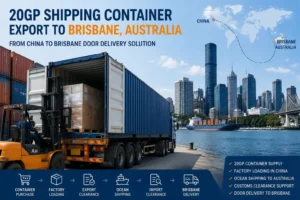
Recommended Export Process
- Confirm container size and condition
- Purchase the container
- Arrange empty container pickup
- Deliver the container to the loading site
- Load farm supplies, machinery, or other goods
- Complete export customs clearance
- Ship by ocean freight
- Complete destination customs clearance
- Deliver to the farm or warehouse
- Unload cargo and keep the container for storage
Why Work with a One-Stop Container and Logistics Provider?
A one-stop service provider can save time, reduce communication costs, and avoid mistakes during the export process. Instead of dealing with separate container sellers, truckers, customs brokers, and freight forwarders, buyers can manage the full process through one team.
This is especially helpful for international agricultural buyers who want to buy a container in China, load cargo inside, ship it overseas, and finally use the container as a farm storage unit.
With the right plan, a shipping container is not only a storage product. It can also become part of a smart international transportation solution.